

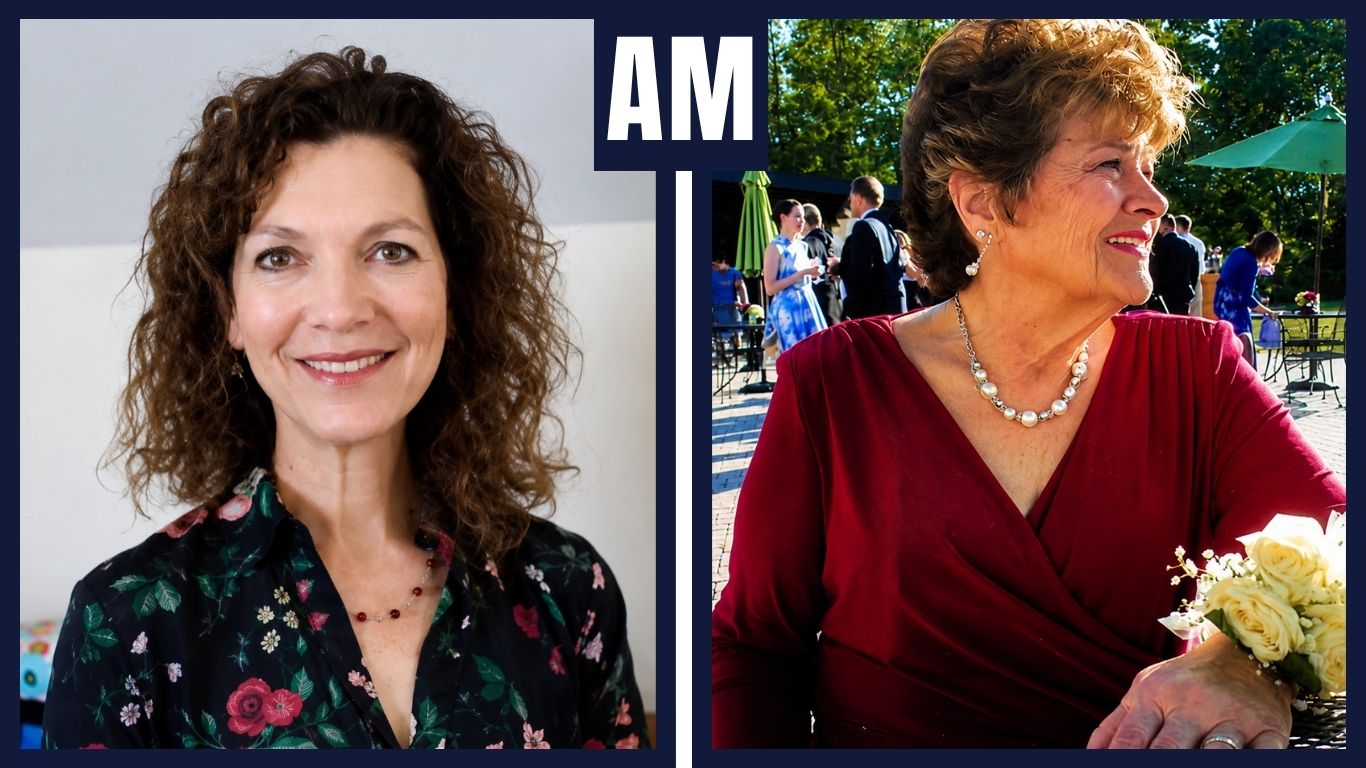
Donna Sicuranza is an influential American nonprofit executive and animal welfare pioneer who completely reshaped how communities approach feline population control and accessible pet healthcare. As the long-standing Executive Director and co-founder of Tait’s Every Animal Matters (TEAM), she recognized early on that traditional brick-and-mortar veterinary clinics were simply out of reach for thousands of pet owners, low-income families, and community cat rescuers. Rather than waiting for lawmakers or overwhelmed municipal shelters to tackle the crisis, she spearheaded a grassroots solution that brought essential surgical care directly to local neighborhoods.
Her visionary approach created Connecticut’s first and only mobile spay/neuter and vaccination clinic designed exclusively for cats. Through decades of relentless dedication, strategic community outreach, and transparent nonprofit leadership, she turned a single modest retrofitted vehicle into a nationwide prototype for animal welfare. To date, her organization has overseen the sterilization and vaccination of well over 225,000 domestic and feral cats, fundamentally reducing shelter intake numbers across more than 25 towns and cities.
Introduction: Who is Donna Sicuranza?
Donna Sicuranza (frequently published as Donna J. Sicuranza Marconi) serves as the driving organizational force and Executive Director of Tait’s Every Animal Matters, commonly known as TEAM. Operating out of Westbrook, Connecticut, her professional background uniquely blends non-profit administrative leadership with expertise in communications, writing, and public relations. Unlike figures who enter animal rescue from a purely medical background, her strength lies in strategic planning, fundraising support, community mobilization, and public education—the precise skill set required to turn a local cause into a lasting regional institution.
For more than twenty-five years, she has focused on a very specific, high-impact mission: ending feline overpopulation through accessible, affordable preventive care. Her work addresses the root cause of animal suffering rather than merely dealing with its symptoms. By prioritizing low-cost spaying, neutering, and essential vaccinations, her leadership has spared hundreds of thousands of animals from abandonment, neglect, and unnecessary euthanasia, establishing her as one of New England’s most effective animal advocates.
The Early Days: Founding the TEAM Mobile Feline Clinic
During the early to mid-1990s, Connecticut faced an escalating feline overpopulation crisis. Shelters were constantly overwhelmed with unwanted litters, and rescue workers were forced to make devastating decisions due to a lack of space and resources. At the time, low-cost spay/neuter options were virtually non-existent, leaving low-income pet owners and good Samaritans caring for stray animals with few affordable choices. Recognizing that waiting for private practices to lower fees was unrealistic, Donna Sicuranza joined forces in 1996 with Dr. John A. Caltabiano, DVM, an Old Lyme veterinarian and then-president of TEAM.
Supported by a bequest from the estate of local animal lover and businessman Vernon A. Tait, they devised an ambitious plan to take veterinary medicine on the road. On March 1, 1997, after months of preparation, their initial 22-foot mobile unit officially hit the highway. Operating out of extremely tight quarters with a minimal crew, the clinic successfully altered and vaccinated 10 cats on its very first day, laying the foundation for a medical movement that would forever alter the state’s animal welfare landscape.
1996: Concept Formed  --->  March 1, 1997: First Mobile Outing  --->  Present Day: 225,000+ Cats Served
(Sicuranza & Caltabiano)     (10 Cats Altered on Day One)             (Operating Statewide Across CT)
The launch was not without significant hurdles, as the concept of a high-volume mobile clinic was met with immense skepticism. Many traditional veterinary practices expressed vocal opposition, fearing that a low-cost mobile unit would undercut private prices or compromise quality of care. However, the leadership team remained resolute, demonstrating that mobile surgery could maintain rigorous clinical standards while reaching an entirely untapped demographic of pet owners who otherwise would never have sought veterinary care.
Donna Sicuranza’s Operational Model for Mobile Veterinary Services
The ongoing operational success of the mobile unit relies on a carefully structured business model managed by Donna Sicuranza and her dedicated administrative staff. Rather than operating as a walk-in service, the clinic functions on an organized, appointment-based scheduling system accessible statewide via a dedicated toll-free line (1-888-FOR-TEAM). The mobile unit travels directly into municipal parking lots, park-and-ride locations, and community centers across 25 distinct Connecticut towns, drastically reducing transportation barriers for rural and low-income residents.
  [1-888-FOR-TEAM]
         │
         ▼
  [Central Scheduling]  ──►  [Custom 28-Foot Vehicle]  ──►  [Community Site Visit]
(Donna Sicuranza & Team)    (Equipped Surgical Suite)       (25+ CT Towns Served)
To accommodate high demand while ensuring top-tier surgical care, the organization replaced its original vehicle with custom-built 28-foot mobile surgical suites designed specifically for feline procedures. Every cat brought aboard receives an all-inclusive package that includes a physical exam, spay or neuter surgery, rabies and distemper vaccinations, nail trimming, and ear mite treatment for one flat, highly subsidized fee.
- All-Inclusive Package: Includes exam, sterilization, core vaccines, nail trim, and ear mite treatment.
- High-Volume Capacity: Staffed to comfortably perform up to 35 surgeries per day per vehicle.
- Accessibility First: Reaches fixed-income seniors, out-of-work residents, and active rescue volunteers.
Advocacy for Feral Cats and the TEAM Incentive Program (TIP)
Beyond assisting domestic pet owners, Donna Sicuranza recognized early on that community and feral cats represented the largest source of unchecked feline breeding. Long before Trap-Neuter-Return (TNR) became widely accepted by mainstream municipal shelters, her organization advocated for TNR as the only humane, scientifically sound method for controlling community cat colonies. She understood that caretakers who feed feral colonies often pay for food and shelter out of their own pockets, making surgical costs a major barrier to colony management.
To solve this problem, she helped establish the TEAM Incentive Program (TIP). Supported in part by regional charitable grants, TIP provides financial rebates directly to caretakers and volunteer trappers who bring feral cats to the mobile clinic in humane traps. Once the surgery and vaccinations are verified on-site, caretakers receive a prompt rebate check to offset their expenses. This program has processed thousands of feral cats, stabilizing colonies and preventing generations of homeless kittens from entering the wild.
Major Milestones Under Donna Sicuranza’s Leadership
Managing a nonprofit mobile medical operation for nearly three decades requires extraordinary persistence, financial stewardship, and operational discipline. Under the direction of Donna Sicuranza, the organization transformed from a risky experiment into a celebrated New England institution. In its very first year of full operation, the mobile unit defied critics by sterilizing over 8,000 cats, proving that the demand for low-cost pet care was overwhelming.
                     [Milestone Timeline]

  1997: First 1,000 Surgeries Completed (Proof of Concept)
   │
  1998: 8,000 Surgeries (Vehicle Upgraded to Meet Demand)
   │
  2019: 200,000th Surgery ("Calypso" the Rescued Kitten)
   │
  Present: 225,000+ Domestic and Feral Cats Served Statewide
In early 2019, the clinic achieved an extraordinary milestone by completing its 200,000th spay/neuter surgery. The patient was a calico kitten named “Calypso,” who had been rescued from a gas meter pipeline well as a tiny stray. Today, that number exceeds 225,000 surgeries, a staggering figure that represents nearly 800 tons of cats cared for by the medical team.
Legislative Advocacy & Public Voice
Beyond overseeing daily operations, Donna Sicuranza has used her platform to educate the public and influence animal welfare policy across Connecticut. Serving as the chief editor of TEAMWORKS, the organization’s official quarterly publication, she regularly authors articles on responsible pet ownership, winter shelter construction for feral cats, and the critical importance of early-age spaying and neutering. Her writings bridge the gap between technical veterinary concepts and everyday pet care, empowering pet owners to make informed choices.
Her public voice extends to legislative advocacy as well. Over the years, she has submitted expert testimony and supported bills aimed at strengthening animal cruelty statutes, funding statewide spay/neuter voucher programs, and protecting community cat caretakers from punitive local ordinances. Her work has helped transform Connecticut from a state with high shelter destruction rates into a recognized leader in progressive animal welfare legislation.
The Blueprint Effect: How Donna Sicuranza Inspired National Programs
The innovative model developed by Donna Sicuranza and her colleagues extended far beyond the borders of Connecticut. In the late 1990s and early 2000s, mobile veterinary care was largely unproven, and non-profit organizations nationwide struggled to find sustainable operational frameworks. The clinic’s documented protocols, high-volume safety procedures, and mobile scheduling systems provided a clear blueprint for rescue organizations across the country looking to launch similar initiatives.
“When we started, there were as many skeptics about our program as there were supporters. People said we wouldn’t last, but our success has been a team effort in every way.” — Donna Sicuranza
Many veterinarians and medical technicians who began their careers aboard the Connecticut mobile clinic took those valuable experiences with them when they relocated. Alumni of the clinic helped establish similar mobile spay/neuter programs in states such as California, Colorado, Florida, Massachusetts, New York, and North Carolina. Furthermore, private veterinary practices eventually recognized the value of the mobile unit, often referring clients on tight budgets directly to the clinic rather than seeing animals left unsterilized.
Overcoming Challenges in Non-Profit Animal Leadership
Running a non-profit mobile veterinary service comes with severe operational and financial challenges. Unlike standard brick-and-mortar clinics, mobile surgical units face continuous mechanical wear and tear, fluctuating fuel costs, weather delays, and complex municipal permitting requirements across multiple towns. Under the leadership of Donna Sicuranza, the organization navigated these obstacles by maintaining a lean administrative staff, building strong relationships with trusted mechanics, and securing consistent grant funding.
| Operational Challenge | Solution Implemented by Leadership |
| High Equipment Maintenance | Partnering with dedicated fleet maintenance crews and custom vehicle builders. |
| Rising Medical Costs | Securing foundation grants (e.g., Community Foundation of Eastern CT) to subsidize supplies. |
| Overwhelming Service Demand | Centralizing statewide scheduling via 1-888-FOR-TEAM to streamline intake. |
Maintaining affordable pricing during periods of national inflation has required aggressive fundraising and a reliance on private donations. Because the clinic accepts no direct federal funding, her focus on financial transparency and clear donor communication has kept the organization afloat for nearly three decades while keeping client fees at a fraction of private market rates.
FAQs
Who is Donna Sicuranza?
Donna Sicuranza is an American non-profit executive and animal welfare advocate who serves as the Executive Director of Tait’s Every Animal Matters (TEAM) in Westbrook, Connecticut.
Is Donna Sicuranza a licensed veterinarian?
No, Donna Sicuranza is a non-profit administrative leader and communications director. All surgical and medical procedures aboard the mobile clinic are performed by licensed Doctors of Veterinary Medicine (DVMs) and certified veterinary technicians.
What is the main achievement associated with Donna Sicuranza?
She co-founded Connecticut’s first mobile feline spay/neuter clinic in 1997, leading an organization that has successfully sterilized and vaccinated over 225,000 domestic and feral cats.
Conclusion
The career of Donna Sicuranza stands as a compelling blueprint for how dedicated non-profit leadership can solve complex community problems. By recognizing that feline overpopulation could only be defeated through accessible, affordable, and mobile medical intervention, she helped pioneer a model that spared hundreds of thousands of animals from suffering. Her work transformed Connecticut’s approach to animal welfare, turning skeptics into supporters and inspiring similar initiatives nationwide.
As her organization continues to travel thousands of miles each year, the impact of her vision remains felt in every town the clinic visits. Through non-profit management, community education, and advocacy, Donna Sicuranza proved that sustainable change does not require massive government bureaucracies—it simply requires clear vision, operational discipline, and an unwavering belief that every animal matters.
