

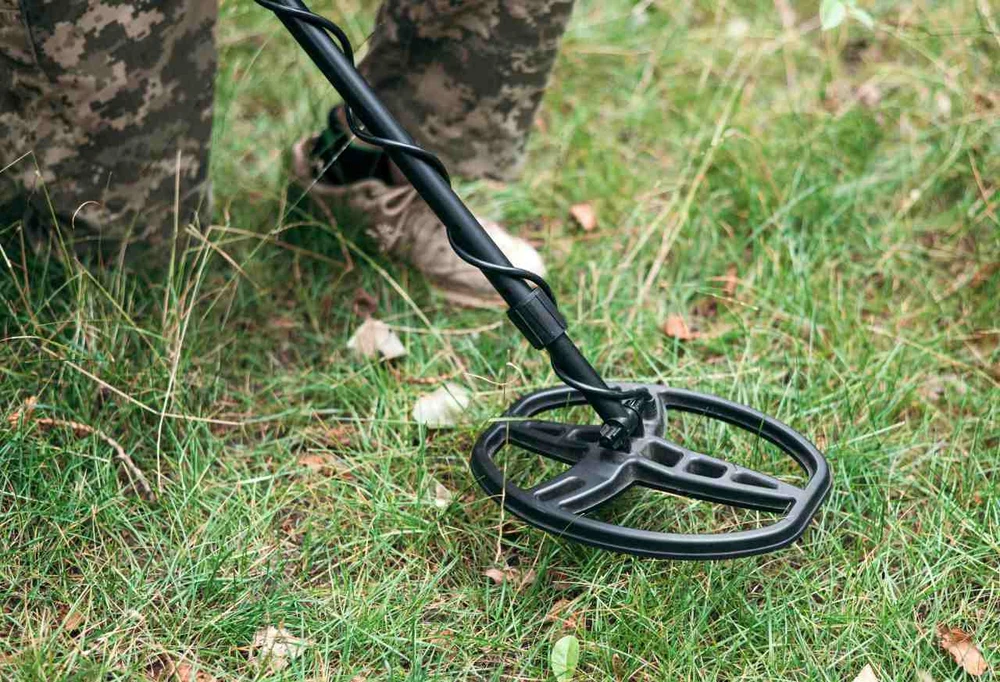
The right metal detector is not necessarily the most expensive model or the one with the longest list of specifications. It is the detector that fits where you will hunt, what you want to find, and how much time you are willing to spend learning its controls. Before comparing models such as the Minelab Manticore vs Equinox 900, define your real-world needs first.
A machine that performs well in a dry city park can struggle on wet salt sand, while a detector designed for tiny gold nuggets may feel overly specialized for casual coin hunting. Start with the conditions you will encounter most often, then choose features that solve those specific challenges.
Start With Your Hunting Goal
Your target type should lead the buying decision. Coin hunters in parks generally need dependable target identification and useful discrimination. Beach hunters need stable performance around wet sand and saltwater. Relic hunters often value separation in iron-filled ground, while prospectors need sensitivity to very small targets in mineralized soil.
Choose the hunting you will actually do. If most of your outings will be at local parks, do not sacrifice comfort and clear target feedback for a highly specialized gold machine that will only be used once a year.
Match The Detector To The Ground
Dry Soil And City Parks
For lawns, schoolyards, and dry parks, prioritize accurate target ID, adjustable discrimination, and a medium-sized coil. These areas can be full of bottle caps, pull tabs, foil, and other modern trash, so the ability to separate likely-good signals from unwanted items is valuable.
Wet Salt Sand
Wet salt sand can create false signals because the ground itself becomes highly conductive. Look for a detector designed to handle salt conditions, especially if you plan to search near the waterline. Confirm whether the entire detector is waterproof or whether only the coil can be submerged.
Mineralized Ground And Gold Country
Mineralized soil can make a detector noisy and reduce its ability to accurately identify targets. Ground balance becomes especially important here. Automatic ground balance is convenient, while manual or tracking options give experienced users more control as soil conditions change.
Fields And Iron-Rich Relic Sites
Old home sites and relic fields may contain dense iron, nails, and other debris. A detector with fast recovery speed and strong target separation can help reveal a valuable object sitting close to iron. A smaller coil is often more useful than a large coil in these crowded locations.
Learn The Main Detector Types
Very Low Frequency Detectors
Very low-frequency (VLF) detectors are common all-purpose choices for coins, jewelry, relics, parks, and freshwater hunting. They usually provide useful visual target information and discrimination controls. For a basic overview of detector technology and history, see this metal detector reference.
Pulse Induction Detectors
Pulse induction detectors are often chosen for difficult mineralized soil and challenging saltwater conditions. Their trade-off is less precise discrimination, which can mean digging more junk targets. They are practical tools when ground handling matters more than detailed target classification.
Multi-Frequency Detectors
Multi-frequency detectors transmit or analyze multiple frequency ranges, helping them adapt to a wider variety of targets and soils. They can be strong choices for hunters who split time between parks, beaches, fields, and shallow water. They still require careful settings and good sweep technique.
Focus On Features That Matter
- Operating frequency: Higher frequencies can be more sensitive to small targets, while lower frequencies can suit larger, high-conductivity targets. Multi-frequency systems provide more flexibility.
- Ground balance: Essential for mineralized soil. Automatic modes simplify setup, while manual controls allow fine adjustment.
- Discrimination and notch: These reduce unwanted signals, but rejecting too much can hide thin gold jewelry and unusual targets.
- Recovery speed: Important in trashy ground because it helps the detector respond to separate nearby objects.
- Coil size: Small coils improve separation, medium coils offer versatility, and large coils cover more ground but can be harder to use in heavy trash.
- Weight and balance: A comfortable detector is more likely to be used for long hunts and swung consistently.
Choose By Skill Level
For New Detectorists
Beginners should favor simple controls, useful preset search modes, clear audio tones, and manageable weight. A detector does not need every advanced setting to produce good finds. A simple machine used regularly will usually outperform a complicated machine that stays in the closet.
For Developing Detectorists
As skills improve, adjustable sensitivity, ground balance, recovery speed, and custom search profiles become more useful. This is also the stage to learn audio responses instead of relying entirely on the display screen.
For Experienced Detectorists
Experienced users should compare how models handle local soil, iron contamination, coil options, and target separation. The best advanced detector is one that provides meaningful control without unnecessarily complicating each hunt.
Set A Realistic Budget
Budget for the complete setup, not only the detector. Entry-level machines can work well for yards, dry parks, and family outings, but may offer fewer adjustments and less waterproofing. Mid-range detectors typically provide better ground handling, target information, and flexibility. Premium models may add advanced processing and greater control, but they do not replace practice.
- Pinpointer for locating targets in the hole.
- Headphones for hearing faint signals.
- Digging tool, hand shovel, or beach sand scoop.
- Finds pouch, gloves, coil cover, and spare power source.
Avoid Common Buying Mistakes
- Buying based on claimed depth alone.
- Choosing a detector for a hunting style you rarely use.
- Ignoring weight, shaft balance, and overall comfort.
- Using excessive discrimination and missing good targets.
- Skipping the manual, tutorial videos, and practice time.
- Forgetting to budget for recovery tools and headphones.
Use A Simple Buying Checklist
- Where will I detect most often?
- Which targets matter most: coins, jewelry, relics, or gold?
- Will I hunt wet salt sand, mineralized ground, or shallow water?
- Do I need full waterproofing?
- Can I comfortably swing this detector for several hours?
- Are the controls appropriate for my current skill level?
- What accessories are included, and what must be purchased separately?
Check Local Detecting Rules
Responsible detecting starts with permission and knowledge of local regulations. Always get permission before detecting private property, review city and park rules, fill holes neatly, and avoid damaging historic or culturally significant sites. National Park Service rules prohibit metal detecting in NPS-managed parks, so check the National Park Service archaeology guidance before planning a trip on federal park land.
Make The Final Decision
Write down your three most likely hunting locations and the targets you hope to recover. Then eliminate detectors that do not fit those conditions. Compare the remaining choices by weight, waterproofing, coil options, ground handling, ease of use, and total cost. The best metal detector in 2026 is the one that matches your ground, supports your goals, and encourages you to get outside and practice.
