

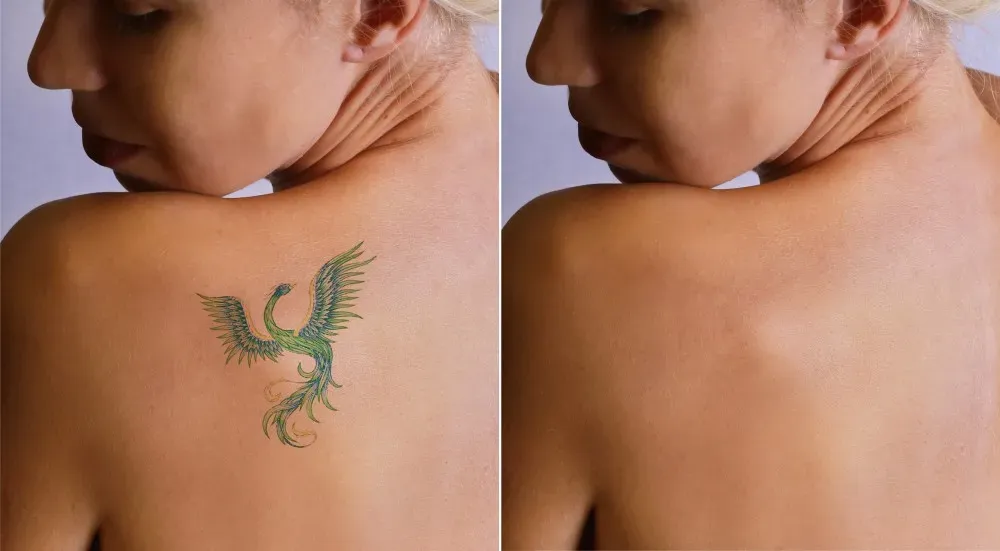
Laser tattoo removal doesn’t end when you walk out of the treatment room. The real work of healing happens in the weeks between sessions, and how you treat your skin during that stretch directly affects how well the ink fades, how fast you heal, and whether you end up with complications like scarring or infection. Most removal plans call for six to ten sessions spaced six to eight weeks apart, which means your skin spends far more time recovering than it does under the laser. Getting that recovery right matters just as much as the treatment itself.
The First 48 Hours Matter Most
Right after a session, your skin will look red, raised, and possibly blistered. This is a normal inflammatory response, not a sign that something went wrong. Apply a thin layer of the ointment your provider recommends, usually a fragrance-free healing balm, and cover the area with a clean, non-stick bandage for at least the first day.
Avoid tight clothing that rubs against the treated skin. Friction during this window can pull at fragile tissue and increase the odds of scabbing that lasts longer than it should. If the area is on your arm or leg, loose sleeves or wide-leg pants make a real difference.
Keep the Area Clean Without Overdoing It
Wash the treated skin gently with lukewarm water and a mild, unscented soap once a day. Pat it dry with a clean towel instead of rubbing, since rubbing can reopen small blisters or lift scabs before they’re ready to come off.
Skip exfoliating scrubs, loofahs, or anything abrasive on or near the site for at least two weeks. The goal is to let new skin form underneath without added stress from products or tools that aren’t necessary for basic hygiene.
Managing Blisters, Scabs, and Peeling
Blisters and scabs are part of the process for many people, especially after earlier sessions when pigment is denser. Resist the urge to pop blisters or pick at scabs, even when they itch. Picking increases the risk of scarring and can actually slow down pigment breakdown by damaging the healing skin unevenly.
Let scabs fall off naturally, which usually takes one to two weeks. If peeling skin catches on clothing, trim it carefully with clean scissors rather than tearing it away.
Sun Protection Is Non-Negotiable
Treated skin is significantly more sensitive to UV exposure and prone to hyperpigmentation or hypopigmentation if it’s not protected. Cover the area with clothing whenever possible, and once it’s fully healed, apply a broad-spectrum SPF 30 or higher every day, not just on sunny days.
This matters even between sessions when the skin looks recovered on the surface. Sun exposure during the healing window between treatments can darken the surrounding skin, which makes it harder for your provider to gauge how well the pigment is fading.
What to Avoid Between Sessions
Steer clear of swimming pools, hot tubs, and saunas until any scabbing or peeling has fully resolved. Chlorine and prolonged heat can irritate healing skin and raise infection risk. Alcohol-based skincare products, retinoids, and strong acids should also stay off the area until your provider gives the go-ahead.
Shaving over the treated site is generally fine once the skin has closed, but wait until scabs are gone completely. Nicking a scab with a razor is a common and avoidable setback.
Nutrition and Hydration Support Healing
Skin regenerates faster when the body has what it needs to do the work. Drinking enough water and eating protein-rich meals supports collagen production, which is part of how skin recovers after each laser pass. This isn’t a dramatic fix, but consistent hydration and balanced meals genuinely speed up visible healing between appointments.
Some providers also recommend a basic multivitamin or vitamin C supplement during an active removal series, though this should be discussed with a provider rather than started independently.
Signs You Should Call Your Provider
Most healing follows a predictable pattern: redness for a few days, mild swelling, then peeling or light scabbing over one to two weeks. Contact your provider if you notice spreading redness, warmth, pus, or a fever, since these can indicate infection rather than normal healing.
Clinics offering top-rated tattoo removal in Stockbridge, GA typically walk patients through a detailed aftercare sheet after every session and stay available for questions between appointments, which makes it easier to catch anything unusual early rather than guessing at home. Don’t hesitate to send a photo or make a call if something looks off. Catching an issue in the first few days is far easier to manage than waiting until the next scheduled session.
Building a Routine That Sticks
The skin care habits that matter most between sessions are simple: keep the area clean, protected from sun, and free from unnecessary friction or products. Consistency across the full treatment series, not just after a single session, is what leads to the cleanest fade with the least scarring. Treat each round of aftercare with the same attention as the treatment itself, and the results will show it by the time the ink is gone for good.
