

Your roof rarely asks for attention until something goes wrong, and by then the repair bill can feel like a jump scare. If you live in a place with steady rain, damp winters, and seasonal wind like Tenino, your roof takes a beating year after year. Knowing what to watch for helps you catch trouble early, protect your home, and avoid turning a manageable project into a full-blown financial headache.
Storm Damage Can Be More Serious Than It Looks
A storm doesn’t need to rip half your roof off to create major problems. Wind can loosen shingles without fully removing them. Hail can bruise roofing materials and weaken their protective surface. Heavy rain can exploit every tiny gap that already existed before the weather rolled in.
After a strong storm, inspect the roof from the ground if you can do it safely. Binoculars help. Look for uneven shingle lines, dented flashing, debris impact, and sections that appear darker than the rest. If tree branches scraped the roof, don’t shrug it off. Friction damage can shorten shingle life and create weak spots.
This matters even more in areas where roofs deal with repeated wet seasons. Homeowners comparing options for Tenino roof replacement often discover that what looked minor after a storm had actually compromised large sections of the roofing system.
Insurance may cover some storm-related damage, but documentation matters. Photos, inspection reports, and quick action make the claims process a lot less painful.
Your Roof Has a Lifespan, and It Isn’t Unlimited
Every roofing material comes with a rough expiration date. Asphalt shingles often last 20 to 30 years, while metal, tile, and slate can go longer. Even so, age alone doesn’t tell the full story. Ventilation problems, poor installation, storm exposure, and neglected maintenance can shorten that timeline fast.
If your roof is pushing past the 20-year mark, it’s smart to start paying closer attention. You don’t need water pouring through the ceiling to justify an inspection. Subtle wear tends to show up first, and it often shows up outside where you’re not looking every day.
Pay attention to basics like:
– Curling or cracked shingles
– Dark streaks or moss growth
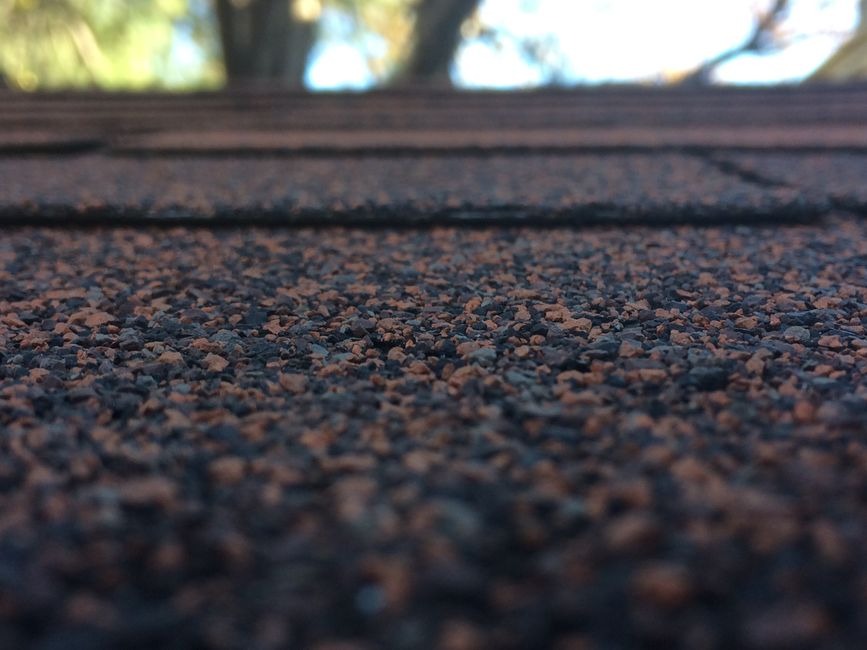
– Bald spots where granules are missing
– Flashing that looks loose or rusted
– Sagging roof lines
A roof doesn’t have to be dramatic to be in trouble. Sometimes it just looks tired, and tired roofs usually don’t improve with age.
Leaks Are the Obvious Warning, but Not the Only One
A ceiling stain gets your attention fast, but water damage often starts quietly. Moisture can move through decking, insulation, and attic spaces long before it appears as a brown patch above your couch. By the time you spot an interior leak, the issue may have already spread.
Look for signs beyond active dripping. Peeling paint near the ceiling, musty smells in the attic, warped drywall, and unexplained mold can all point to roofing failure. After heavy rain, take a few minutes to inspect upper-floor ceilings and corners.
You should also check your attic for:
– Damp insulation
– Sunlight peeking through boards
– Water stains on rafters
– Mold around vents
– Condensation buildup
Not every leak means total replacement, but recurring leaks in different areas usually signal a bigger system-wide problem. Patch jobs can work for isolated issues, though they stop being cost-effective when your roof starts acting like a sieve.
Energy Bills Can Expose Hidden Roofing Problems
Your roof plays a direct role in insulation and ventilation, which means it affects your heating and cooling costs more than many homeowners realize. If your utility bills keep climbing and your HVAC system seems to be working overtime, roofing issues may be part of the problem.
A damaged or aging roof can let heat escape in winter and trap excess heat in summer. Poor attic ventilation makes things worse. Moisture buildup, hot air stagnation, and inconsistent airflow can stress both your roof and your indoor comfort.
You may notice:
– Rooms that feel hotter or colder than others
– Rising energy bills without a clear cause
– Ice dam history in colder months
– Excess attic humidity
– Premature wear on insulation
A roof replacement isn’t just about stopping leaks. In many cases, it improves efficiency by pairing new materials with better ventilation and updated underlayment. That can lower long-term operating costs for your home, which is a lot more satisfying than feeding your paycheck directly to the utility company.
Repairs vs. Replacement: How to Make the Call
Most homeowners want to repair first, and that makes sense. A well-timed repair can extend roof life and save money. The trick is knowing when repair is still practical and when it’s simply delaying a larger issue.
Repairs make sense when damage is limited to a small area, the rest of the roof is in good condition, and the material still has years left. Replacement becomes the stronger option when deterioration is widespread, leaks keep returning, or the roof’s age is working against every fix.
Ask yourself a few practical questions:
– Is the roof near the end of its expected lifespan?
– Are problems showing up in multiple places?
– Have repair costs started stacking up?
– Is the roof affecting resale value or insurance?
– Do you plan to stay in the home long enough to benefit from replacement?
A professional inspection gives you the clearest answer. You want someone who can assess decking, flashing, ventilation, and moisture conditions, not just the visible shingles. Roof decisions are expensive, but guessing usually costs more.
What to Expect if You Move Forward With Replacement
Roof replacement sounds intimidating, mostly because people imagine endless noise, surprise costs, and a yard full of debris. Some disruption is normal, but a solid contractor will walk you through the process clearly and keep things organized.
A typical replacement includes tearing off old materials, inspecting the roof deck, making any needed repairs, installing underlayment, updating flashing, and laying the new roofing system. The timeline depends on weather, roof size, complexity, and material choice.
Before work begins, ask about:
– Project timeline
– Cleanup procedures
– Material warranties
– Workmanship guarantees
– Ventilation upgrades
– Permit requirements
If you’re planning ahead, replacement can also be a chance to improve curb appeal and resale value. A new roof isn’t the flashiest home upgrade, but it’s one of the most practical. Buyers love granite counters, sure, but they love not inheriting a failing roof even more.
The smartest move is simple: don’t wait for a small issue to become a budget crisis. A roof gives you signals long before it completely fails, and paying attention to those signals can save you a lot of money, stress, and buckets in the hallway.
