

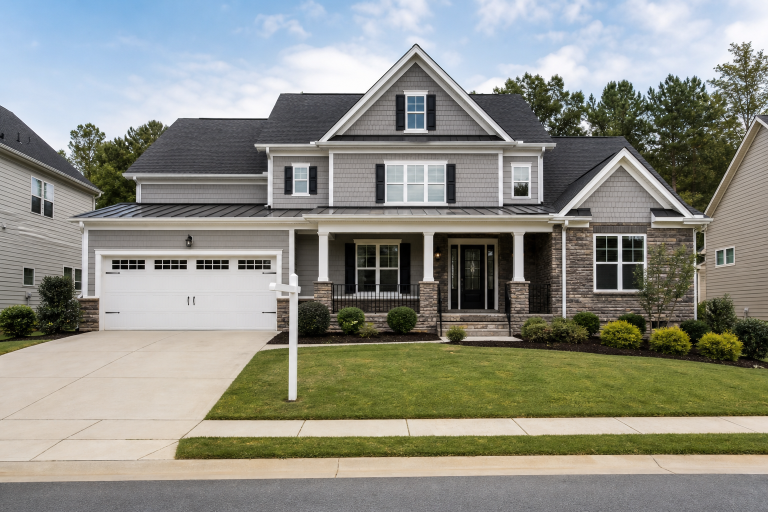
Selling a home in Apex, North Carolina, involves more than placing a sign in the yard. Whether you want to sell my home in Apex, NC, quickly or prepare for a traditional listing, the process begins with an honest look at your deadline, property condition, and expected proceeds.
Apex remains connected to the larger Triangle housing area, but each sale is local. Buyer interest can shift from one neighborhood to another based on home type, commute access, lot layout, nearby amenities, school preferences, and competing properties available at the same time.
Why Selling in Apex Requires a Local Plan
Citywide averages can provide context, but they cannot determine what one house should sell for. A renovated home near downtown Apex may attract a different buyer than a newer property near major roads, parks, shopping areas, or employment centers. Review recent closed sales with similar square footage, age, condition, and location before setting expectations.
Active listings matter too. They show what buyers can choose today, while closed sales show what buyers have actually paid. A local plan should account for your home’s strengths, such as a usable backyard, garage, home-office space, storage, updated systems, or a flexible floor plan.
Homeowners comparing options across the Triangle may also want to sell my house in Durham, NC, through a process that emphasizes a clear offer and a chosen closing timeline. The key is still comparing the likely net result, not simply choosing the largest number shown in an advertisement or initial offer.
Step One: Decide Why and When to Sell
Start with the reason behind the sale. You may be relocating for work, downsizing, handling an inherited property, ending a difficult rental arrangement, or reducing the expense of an empty home. Once you know why you are selling, set a target date and identify what could make that date difficult.
Questions to Ask Before Setting a Date
- When do I need the property sold?
- Do I have time for repairs, cleaning, photos, and showings?
- Will I need the proceeds to buy or rent another home?
- What will each extra month of ownership cost in mortgage payments, taxes, insurance, and utilities?
- Do I value the highest possible price more than a predictable closing date?
Step Two: Estimate the Home’s Likely Value
A listing price, tax value, appraised value, and final sale price are not the same thing. A listing price is a marketing decision. An appraisal is an opinion developed for a particular purpose. Tax value is used for assessment purposes. The final sale price is what a ready buyer and seller agree to under the actual contract terms.
Use comparable sales as a starting point, then adjust for meaningful differences. Review the roof, HVAC equipment, plumbing, electrical work, kitchen and bathroom updates, lot size, drainage, driveway condition, and any homeowner’s association dues or restrictions. A neighbor’s sale may be useful, but only if the two properties are genuinely similar.
Step Three: Compare the Main Selling Options
Traditional Listing
A traditional listing can provide broad exposure to buyers, but it often involves showings, marketing, negotiation, inspections, appraisal concerns, and lender timelines. Sellers may need to clean, declutter, repair visible issues, and keep the home ready for visits.
For-Sale-by-Owner
Selling without an agent can change commission costs, but the owner takes responsibility for pricing, photography, inquiries, showings, contract terms, negotiation, and coordination. North Carolina sellers should understand the documents involved and obtain appropriate professional guidance before signing an agreement.
Direct Cash Sale
A direct sale may suit an Apex owner who wants fewer showings, less preparation, or a faster closing. The offer may reflect the buyer’s repair, holding, resale, and title risks, so compare the final net amount and contract conditions rather than judging an offer by its headline price alone.
Step Four: Calculate Your Estimated Net Proceeds
The highest offer is not automatically the strongest financial outcome. Subtract the mortgage payoff, liens, agent compensation if applicable, attorney and settlement charges, repair costs, moving expenses, and carrying costs during the selling period.
Expected sale price − loan payoff − selling costs − repair costs − carrying costs = estimated net proceeds.
For example, a $500,000 sale price minus a $280,000 payoff, $35,000 in selling costs, $8,000 in repairs, and $4,000 in carrying costs leaves an estimated $173,000 before any taxes or other personal obligations. This is an educational example, not tax, legal, or real estate advice.
Step Five: Decide Which Repairs Are Worth Doing
Address safety and water-related concerns first. Roof leaks, damaged stairs or railings, electrical hazards, plumbing failures, drainage problems, visible mold, and suspected structural or termite damage can create major complications. For cosmetic work, fresh paint, basic landscaping, cleaning, and minor fixture replacements may be more practical than a large renovation.
Get more than one estimate before approving expensive work. A major remodel can consume cash, delay the sale, and still fail to return its full cost. The right repair plan depends on the chosen selling method and the property’s current condition.
Step Six: Gather Documents Before You List or Accept an Offer
Collect the deed, mortgage statement, tax records, insurance information, survey, if available, repair receipts, warranties, and homeowners association contacts. Confirm who must sign, especially when a property is inherited, jointly owned, or connected to a divorce.
Known material property conditions should be handled carefully. North Carolina’s disclosure requirements for owners’ association properties also show why sellers should gather current dues, assessments, transfer fees, and association information early.
Step Seven: Build a Sale Timeline
Traditional Sale Timeline
- Review comparable sales and choose a pricing strategy.
- Complete priority repairs, cleaning, and preparation.
- Launch the listing and manage showings.
- Review offers and negotiate price, contingencies, and closing terms.
- Complete inspections, appraisal, title work, loan approval, and closing.
Faster Sale Timeline
- Share property details and a preferred closing date.
- Review title, ownership, payoff, and property-condition information.
- Compare the written offer against expected selling costs.
- Resolve liens or signing issues, then complete closing.
Seasonal Timing and Special Situations
Spring and summer can bring more buyer activity, but they can also bring more competing listings. Fall and winter can still work when a home is priced realistically and presented well. Your personal deadline may matter more than a broad seasonal pattern.
Inherited homes may require estate or probate coordination. Divorce and shared ownership situations require agreement among the required signers. Rental properties require attention to leases, tenant communication, deposits, and records. Sellers facing financial hardship should contact their mortgage servicer early and request current payoff information.
Tax treatment can vary by ownership history and use of the property. The IRS explains that some qualifying main-home sellers may exclude part or all of a gain, while rental use and other circumstances can change the analysis, so review the rules for selling a main home with a qualified tax professional when needed.
Questions to Ask Before Accepting an Offer
- Is the offer fully written and understandable?
- What contingencies could delay or cancel the sale?
- Who pays which closing costs?
- Is the buyer using financing or cash?
- What happens if the title work reveals a lien or ownership issue?
- Are there repair deductions, cancellation rights, or changing deadlines?
- Which closing attorney will handle the transaction?
Final Checklist for Selling a House in Apex
- Set a realistic target sale date.
- Estimate value using relevant recent comparable sales.
- Choose a selling method that fits your timeline and condition.
- Calculate estimated net proceeds before accepting an offer.
- Complete repairs that support your strategy.
- Gather loan, title, tax, insurance, and ownership documents.
- Read every deadline, contingency, and closing term before signing.
Conclusion
Selling a house in Apex, NC, in 2026 is easier when every decision connects to a clear goal. Some owners have time to prepare for the broadest possible market exposure. Others need a simpler process, fewer repairs, or a dependable closing date. By comparing costs, preparing documents, and reviewing offers carefully, you can choose a path that fits both your home and your next move.
