

You notice the little things first. Your dog sleeps a bit more than usual. Your cat starts skipping part of breakfast. A limp comes and goes, then disappears the day you think about calling. Life gets busy, your pet still seems mostly fine, and it becomes easy to put off a checkup for another month. That is how small health issues turn into bigger ones, sometimes requiring safe and compassionate pet surgery in Ogden.
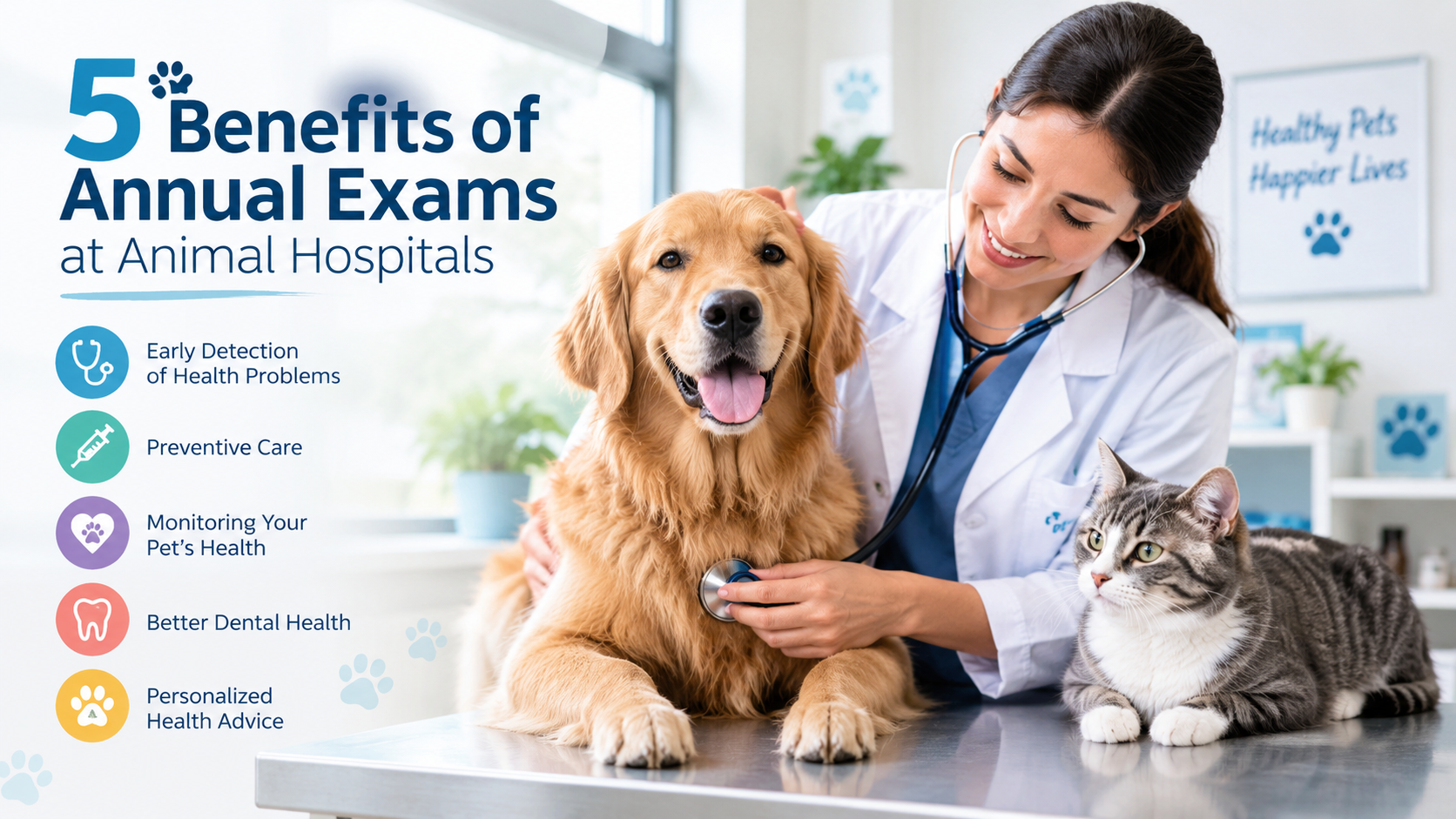
Annual exams at an animal hospital are not just a box to check. They give you a regular chance to catch changes early, keep vaccines and parasite prevention current, and talk through the habits that shape your pet’s health every day. For many families, one visit a year prevents stress, surprise costs, and the sick feeling of wishing they had come in sooner.
Annual pet exams catch problems before they become emergencies
Pets are skilled at hiding pain. That sounds dramatic until you live it. A dog with dental disease may keep eating. A cat with arthritis may simply stop jumping onto the couch. A slow change in weight, skin, mobility, or thirst can look harmless until it is not.
During an annual exam, a veterinarian checks the whole picture. That includes heart and lung sounds, eyes and ears, teeth and gums, skin and coat, joints, weight, and body condition. Those details matter because many common conditions start quietly. Ear infections, gum disease, obesity, allergies, early kidney issues, and joint pain often show up in subtle ways long before they look urgent at home.
This is one of the clearest benefits of yearly veterinary checkups. Early treatment is usually simpler, less stressful for your pet, and easier on your budget than emergency care after a condition has worsened.
Preventive care at an animal hospital protects daily health
Prevention tends to feel less urgent than treatment, even though it shapes your pet’s life every day. Annual exams keep routine care on track, including vaccines, fecal testing, heartworm screening when needed, and flea and tick prevention. If your pet goes to parks, boarding, grooming, daycare, or spends time around wildlife, those risks add up fast.
The same visit also gives you a chance to review habits at home. Is the food still right for your pet’s age and weight? Has your dog’s exercise changed? Is your indoor cat gaining weight because she has become less active? These are not small issues. They affect energy, comfort, mobility, and long term disease risk.
The CDC offers practical guidance on healthy habits for dogs and the people who live with them, including routine veterinary care and hygiene. Parasite control matters too, especially in warmer months or wooded areas. The CDC also explains how to help with preventing ticks on pets, which can reduce disease risks for animals and people alike.
Routine veterinary visits create a clearer picture of behavior and aging
Many owners expect a checkup to focus on the body, but behavior often tells the real story first. A pet that becomes clingy, restless, irritable, or withdrawn may be dealing with pain, hearing loss, vision changes, anxiety, or cognitive decline. Without a regular exam, those shifts can get brushed off as personality or age.
This matters even more as pets get older. Senior pets do not always need obvious symptoms to need help. They may need diet changes, lab work, joint support, or closer monitoring. A yearly visit can also become a place to talk about what normal aging looks like and what deserves attention now, not later.
Annual wellness exams for pets give your veterinarian a baseline. Once they know what is normal for your pet, unusual changes are easier to spot. That is a quiet benefit, but a meaningful one.
Regular pet checkups often reduce long term costs
People sometimes avoid an exam because they are trying to save money. That instinct makes sense. Pet care costs add up, and no one enjoys an unexpected bill. The hard part is that delaying routine care can raise costs later.
A mild ear infection treated early is usually less expensive than a deep infection that needs repeated visits and more medication. Weight gain addressed at an annual visit may help prevent future joint strain, diabetes management, or heart concerns. Dental disease caught early may avoid extractions later.
This is where pet wellness exams earn their value. You are not paying only for that day. You are paying for a better chance to avoid a much harder and more expensive problem down the road.
Annual exams at animal hospitals support stronger care decisions
When your pet gets sick suddenly, history matters. A veterinarian who has seen your pet regularly already knows their weight trends, prior findings, vaccine status, and any ongoing concerns. That makes it easier to decide what has changed and what should happen next.
It also gives you a trusted place to ask the questions you have been carrying around. Is this cough normal. Should that lump be tested. Is my cat drinking too much water. Should I switch food. Those questions are easier to answer in a routine setting than in the middle of a crisis.
| Situation | Annual Exam Approach | Delayed Care Approach |
|---|---|---|
| Dental disease | Early signs found during oral exam, treatment planned before severe pain | Often noticed only after bad breath, refusal to eat, or infection |
| Weight gain | Body condition tracked yearly, diet and exercise adjusted early | Extra weight may continue unnoticed until mobility or metabolic issues appear |
| Parasite prevention | Prevention updated based on lifestyle and season | Greater chance of fleas, ticks, intestinal parasites, or missed screening |
| Behavior changes | Possible pain or age related decline discussed before it worsens | Changes may be dismissed until they disrupt daily life |
Simple steps make annual veterinary care easier to keep up with
Schedule the visit before your pet seems sick. Routine exams work best when your pet appears healthy. That is when your veterinarian can catch the changes you may not see.
Track small changes at home. Write down shifts in appetite, thirst, sleep, weight, bathroom habits, energy, or mood. Owners often forget details once they are in the exam room, and those details can point to the real issue.
Bring your prevention and food information. Take a photo of the food bag, treats, supplements, and parasite products you use. That helps your animal hospital give advice that fits your pet’s real routine, not a guess.
Consistent animal hospital care gives your pet a better shot at a longer, steadier life
You do not need to wait for something to be clearly wrong to book an exam. In many cases, that is the whole point. Annual visits help you stay ahead of pain, disease, and preventable problems, and they give your pet steady care instead of rushed care after a crisis starts.
If your pet has not had a checkup in the last year, now is a good time to schedule one with an animal hospital. A simple visit today can spare your pet discomfort and spare you the regret of finding out too late.
