

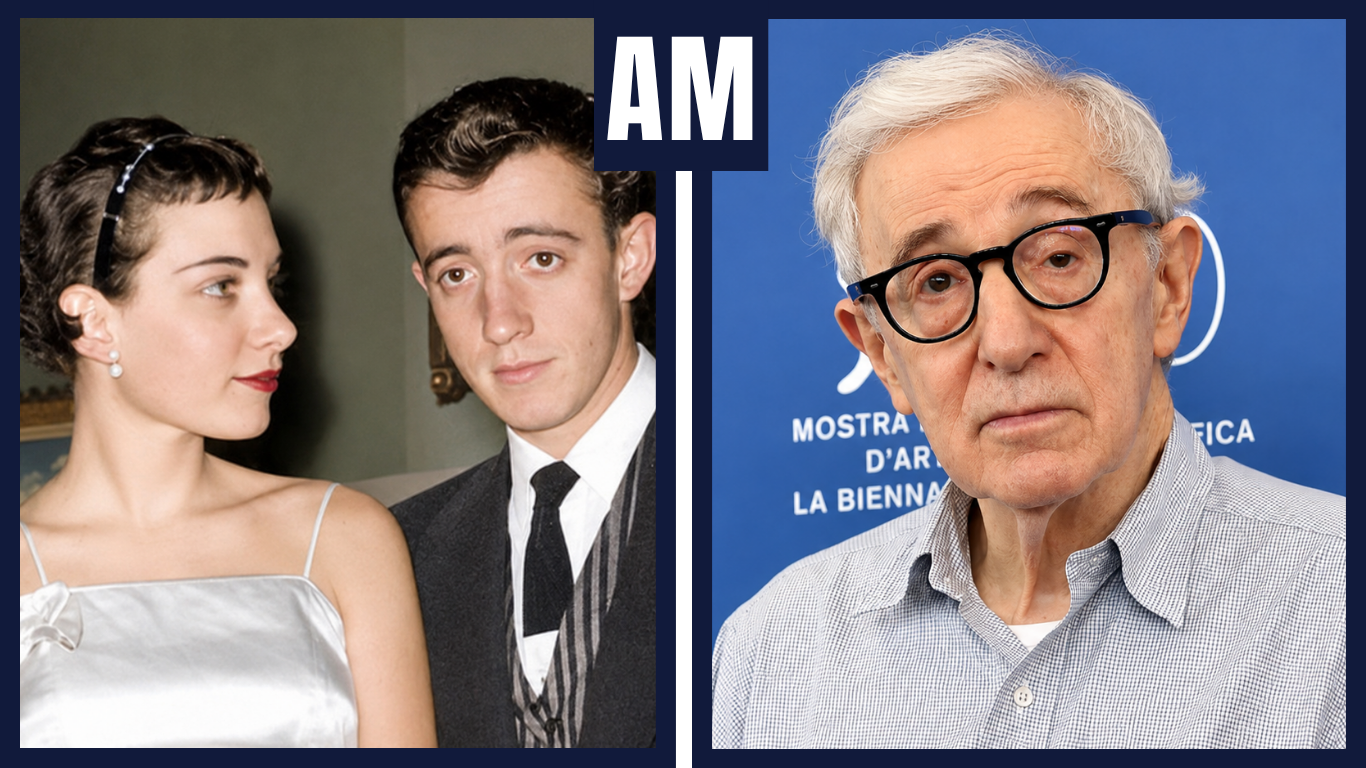
Harlene Rosen was thrust into the public eye in a way very few people would ever choose for themselves. During the peak of 1960s television and stand-up performance, millions of household viewers listened to comedic bits centered entirely on a fictionalized, exaggerated version of her personal character. To the world tuning in to late-night television, she became known simply as the nagging, difficult ex-spouse of a rising star. Yet, behind the punchlines broadcast across the nation lay a very real, talented young woman trying to complete her education and establish her own individual path while her marriage fell apart under the glare of early Hollywood stardom.
The true story of her life offers a fascinated look into early entertainment history and the human cost of personal life becoming creative material. While public record often reduces early celebrity partners to simple historical footnotes, her experience represents a critical moment where personal boundaries clashed directly with comedic license. Her eventual response to public mockery set significant legal and cultural precedents within the entertainment industry. Examining her journey reveals how an ordinary individual managed to reclaim her personal narrative, preserve her privacy, and ultimately speak on her own dignified terms.
Early Life and Background of Harlene Rosen
Understanding Harlene Rosen requires stepping back to middle-of-the-century New York, far away from television camera sets and crowded comedy clubs. Growing up in local New York neighborhood communities during the post-war era, she spent her early youth engaged in normal suburban pursuits. Friends and early acquaintances knew her as a bright, artistic young woman who carried herself with a quiet determination. Long before her name entered pop-culture folklore, her focus remained firmly on her personal passions, academic growth, and close-knit family connections within her community.
Music played a vital central role during these formative years of her development. She was an accomplished pianist who spent countless hours practicing classical and modern arrangements. Her musicality wasn’t merely a casual hobby; it served as her creative outlet and the medium through which she connected with peers at local social gatherings and youth group events. This deep engagement with the performing arts provided her with a rich internal life and introduced her to a vibrant circle of creative young New Yorkers sharing similar creative passions.
Teenage Romance: How Harlene Rosen Met Woody Allen
The story of how Harlene Rosen met Allan Stewart Konigsberg—the young man who would later adopt the stage name Woody Allen—is rooted in the youth culture of 1950s Brooklyn. Meeting as teenagers at local social gatherings, the two were immediately drawn to one another through their shared artistic interests. While he was a young, aspiring writer playing the clarinet in jazz groups, she provided piano accompaniment, creating a genuine creative bond that formed the foundation of their early romantic relationship.
Their courtship unfolded against the backdrop of mid-century New York, defined by shared afternoons attending cinema screenings and attending musical performances. Friends from that era remembered them as a devoted young couple bonded by quick wit and mutual curiosity. Before fame and industry pressure altered their dynamic, their connection was straightforward and grounded in teenage companionship, establishing a deep familiar trust between two young people figuring out their prospective futures side by side.
+-------------------------------------------------------------------+
|               HARLENE ROSEN & WOODY ALLEN: TIMELINE               |
+-------------------------------------------------------------------+
| 1950s: Met as teens in Brooklyn through shared musical interests. |
| 1956 : Married in Hollywood (Harlene aged 17, Allen aged 20).     |
| 1959 : Formally separated as Allen's writing career expanded.    |
| 1962 : Divorce finalized; Allen begins stand-up comedy act.       |
| 1960s: Harlene pursues legal action regarding public comedy routines|
| 2015 : Shared a reflective statement for Allen's 80th biography.  |
+-------------------------------------------------------------------+
The 1956 Wedding: Young Love in Hollywood
In March 1956, Harlene Rosen married Allen in a ceremony in Hollywood, California. At the time of their wedding, she was just seventeen years old, while her new husband was twenty. The decision to marry at such a young age reflected the societal norms of the mid-1950s, but it also placed immense adult responsibility on two individuals who were still developing their own identities and life directions.
Following the ceremony, the newlywed couple established their home together back in Manhattan. The reality of early married life quickly set in as they attempted to balance domestic stability with ambitious personal goals. While her young husband worked tirelessly to break into the competitive television writing industry, she focused on her personal development by enrolling in higher education, spending long hours managing household duties alongside a demanding undergraduate academic schedule.
Struggles, Growth, and the 1962 Divorce
As the late 1950s progressed, the fundamental differences in their career paths and personal maturements began putting significant strain on the young marriage. Her husband’s career as a full-time comedy writer required grueling hours, late-night industry networking, and an environment that left little space for peaceful domestic living. Meanwhile, she was pursuing her college education, seeking a grounded intellectual life distinct from the volatile world of commercial entertainment.
By 1959, after three years of marriage, the couple chose to separate, eventually finalizing their divorce in 1962. The split was driven by the inevitable reality of two young people simply growing apart as they transitioned into adulthood. While divorces among young couples were becoming increasingly common during this period, the end of this relationship carried consequences neither could have predicted, largely because one partner was about to transition from a behind-the-scenes television writer into a high-profile stage performer.
The “Dreaded Ex-Wife”: Harlene Rosen in 1960s Stand-Up
The post-divorce reality for Harlene Rosen took a challenging turn when her ex-husband transitioned from writing jokes for other comedians to performing on stage himself. In developing his iconic neurotic stage persona, he began incorporating stories about his personal life into his stand-up acts. She quickly became a focal point of his routine, framed as a harsh, unsupportive partner within his comedic narratives.
+-------------------------------------------------------------------+
|             COMEDY MATERIAL VS. REALITY IN THE 1960S              |
+-------------------------------------------------------------------+
| ON-STAGE COMEDY PERSONA      | ACTUAL HISTORICAL REALITY          |
| ---------------------------- | ---------------------------------- |
| Exaggerated harsh adversary  | College student pursuing degree    |
| Punchline for public jokes   | Private individual seeking privacy |
| Target of network routines   | Young woman establishing identity  |
+-------------------------------------------------------------------+
As his popularity surged, these routines were broadcast directly into millions of American homes via major network television programs. The jokes painted a vivid, highly exaggerated picture of their former marriage, using her real identity as the primary punchline. For a private citizen attempting to finish her education and build a career, suddenly being recognized and judged based on nationwide television broadcasts created an incredibly difficult personal burden.
The Defamation Lawsuit That Changed Comedy
Refusing to silently accept public humiliation, Harlene Rosen took decisive steps to defend her personal reputation. Recognizing that the constant television jokes were causing tangible harm to her private and professional life, she threatened legal action for defamation against her former husband and broadcast executives. Her legal challenge raised fundamental questions about where creative expression ends and individual privacy rights begin.
The legal confrontation sent waves through the entertainment industry, prompting production companies to carefully evaluate how real individuals were referenced in broadcasted stand-up routines. The eventual settlement effectively established clearer boundaries for performers, ensuring that real private citizens could not be endlessly targeted on national television without consequence. By standing her ground, she demonstrated remarkable courage, forcing a fast-growing entertainment industry to respect individual dignity.
Life After the Limelight: Harlene Rosen’s Private Decades
Following the legal resolution, Harlene Rosen made a deliberate and firm choice to completely step away from public attention. She understood that remaining tied to media stories would only prolong unwanted scrutiny, so she focused on building a fulfilling, quiet life entirely outside the shadow of the entertainment industry. She successfully completed her college degree and embarked on an independent path centered on personal growth, meaningful relationships, and professional stability.
Over the following decades, while her ex-husband became an internationally famous film director whose personal life remained heavily documented in the news, she maintained absolute privacy. She consistently declined interview requests, sensationalized media offers, and opportunities to write tell-all memoirs. This steadfast retreat from the spotlight demonstrated her commitment to personal integrity, proving that she prioritized living an authentic, private life over chasing temporary public attention or conflict.
Breaking a 50-Year Silence: Harlene Rosen’s 2015 Tribute
After more than five decades of maintaining absolute silence, Harlene Rosen briefly re-emerged in the public eye in late 2015. As biographer David Evanier was preparing a comprehensive retrospective on Woody Allen’s life and artistic career ahead of his 80th birthday, she chose to contribute a short, heartfelt statement regarding her early memories.
In her statement, she reflected warmly on their youthful connection, recalling their shared love for music, cinema, and mutual personal development during those early years. Rather than dwelling on past court battles or lingering bitterness, she gracefully acknowledged that while marriage at a young age proved difficult, they had ultimately helped one another learn about life and grow into adulthood. Her peaceful words offered a mature conclusion to a story that had begun in conflict, revealing a woman of deep grace and wisdom.
Conclusion
The story of Harlene Rosen is ultimately one of quiet strength, self-respect, and personal resilience. Forced into an unwanted public narrative at a very young age, she refused to allow herself to be defined by television jokes or sensational media headlines. By defending her reputation when necessary and subsequently choosing a private life, she reclaimed full control over her personal narrative.
Her journey stands as an important moment in pop-culture history, highlighting the human real-world consequences behind public comedy routines. Beyond her brief historical connection to famous entertainment figures, she remains an inspiring figure of dignity—a person who proved that true self-worth is defined not by fame or public opinion, but by the quiet choices made to live an authentic, independent life.
FAQs
Who was the first wife of Woody Allen?
The first wife was Harlene Rosen. They were married in March 1956 when she was seventeen and he was twenty years old, remaining together until their separation and eventual 1962 divorce.
Why did Harlene Rosen threaten legal action in the 1960s?
She threatened legal action for defamation after her former husband frequently used jokes about her and their failed marriage during nationwide television broadcasts, which caused significant distress to her private life.
Did Harlene Rosen ever comment on her marriage later in life?
Yes, after fifty years of public silence, Harlene Rosen provided a reflective statement in 2015 to biographer David Evanier, expressing fond memories of their early shared love for music and cinema while acknowledging their mutual growth into adulthood.
