

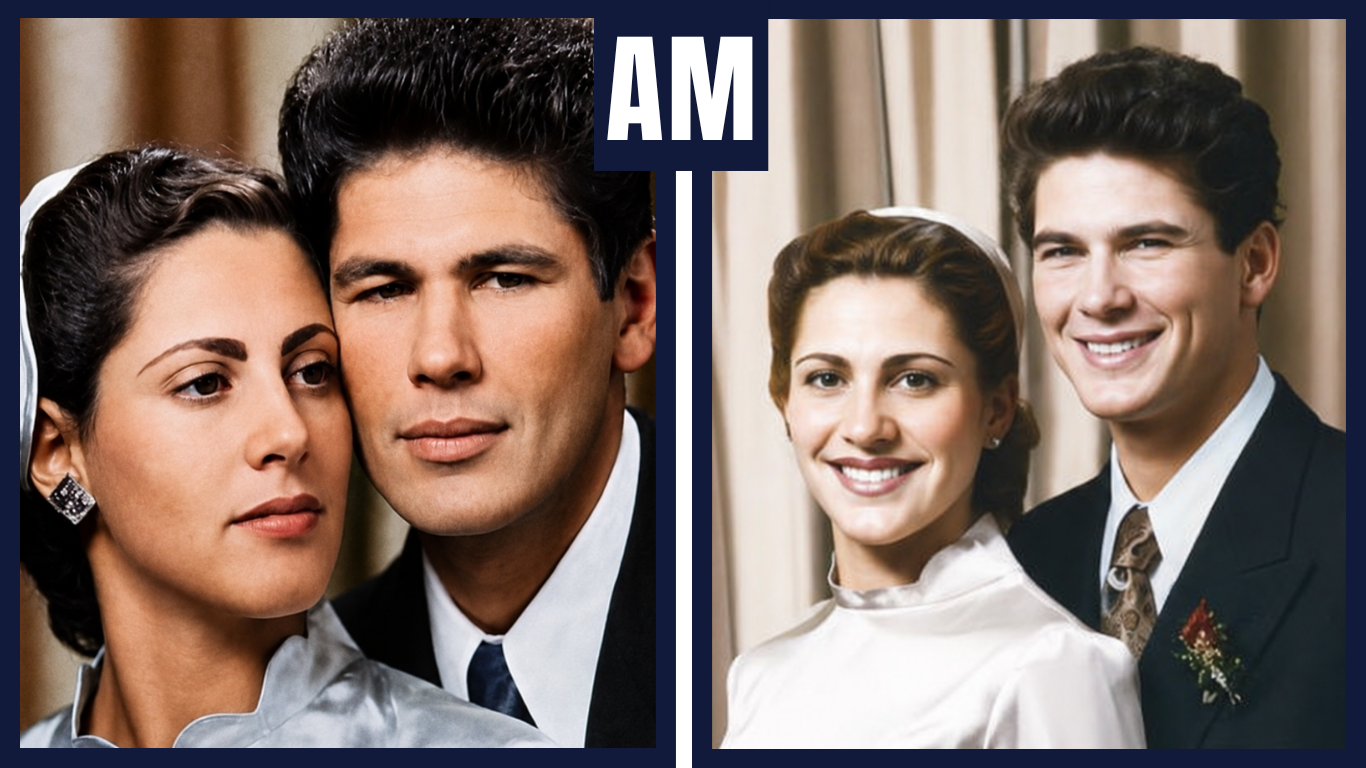
Harriet Tendler lived a life that reads like a classical Hollywood drama, complete with ambition, sacrifice, heartbreak, and eventual self-discovery. Long before cinema history recognized her former husband as the ultimate silver-screen tough guy, she was the steady anchor holding his fledgling dreams together. When most people recall the legendary star of Death Wish and The Dirty Dozen, they picture his later years alongside British actress Jill Ireland. Yet, the foundational chapter of his rise belongs entirely to a dynamic woman who stood by him when he had virtually nothing to his name.
Understanding the narrative of this remarkable woman means peering past the glittering, selective memory of old-world cinematic fame. She was not merely a passive observer in a famous actor’s life; she was an aspiring performer, a devoted mother, a successful radio broadcaster, and an insightful author. Her personal history provides an invaluable window into what happens when massive celebrity reshapes a marriage from the inside out. Through her emotional resilience and sheer determination, she proved that an individual’s true identity can never be completely eclipsed by a famous spouse’s overwhelming spotlight.
Early Life and Background: A Dairy Farmer’s Daughter
Born in 1929 in Pennsylvania, Harriet Tendler spent her early years surrounded by the structured routine of a comfortable, middle-class upbringing. Her father was a highly successful Jewish dairy farmer who worked tirelessly to provide stability and comfort for his family during an era defined by economic fluctuation. Growing up in a warm, protective environment, she learned the values of discipline, family loyalty, and hard work from a young age. Her home was filled with love, but it was also grounded in traditional expectations regarding marriage, religion, and community standards.
Despite the conventional setting of her youth, she possessed a creative spark that set her apart from her peers. From her teenage years, she was captivated by the performing arts, storytelling, and the emotional expression of live theater. Rather than choosing a predictable, domestic path in rural Pennsylvania, she made the bold choice to pursue formal training in dramatic arts. Her supportive family recognized her natural charisma and determination, encouraging her as she took her first steps into the artistic world.
She eventually enrolled in drama school in Philadelphia, eager to polish her craft and build a future on stage. Surrounded by fellow artists and ambitious directors, she felt completely in her element as she practiced monologues and learned character study. She possessed an bright energy, intelligence, and an engaging personality that quickly caught the attention of both instructors and fellow students. Little did she realize that enrolling in those acting classes would drastically alter the trajectory of her life forever.
The Philadelphia Encounter: Meeting Charles Buchinsky in 1947
It was during her time at the Plays and Players theater troupe in Philadelphia in 1947 that an eighteen-year-old Harriet Tendler first crossed paths with a twenty-six-year-old military veteran named Charles Buchinsky. Buchinsky, who would later adopt the iconic screen name Charles Bronson, was a quiet, rugged young man trying to escape a grueling past. Having survived the harsh realities of working as a coal miner in Eastern Pennsylvania and serving in World War II, he arrived at the drama school dirt-poor, carrying heavy memories and an unmistakable, intense presence.
Their initial meeting was defined by stark contrasts: she was a cheerful, sheltered young woman from a comfortable home, while he was a guarded, impoverished former miner with rough hands and few words. Yet, an undeniable connection formed between them almost immediately within the workshop’s drafty rooms. He possessed a raw, brooding vulnerability that fascinated her, while her warmth and confidence provided a welcoming safe haven for his guarded demeanor. They began spending hours talking after rehearsals, discovering a shared passion for acting that transcended their vastly different backgrounds.
One famous story from their early courtship captures the depth of their humble beginnings perfectly. On their very first proper date, the future global box-office icon famously admitted to having only four cents in his pocket. Unfazed by his financial struggles, she happily walked alongside him, captivated by his sincerity, quiet determination, and fierce work ethic. She saw immense potential in the quiet veteran that the rest of the world had not yet discovered, laying the foundation for a deep partnership.
Marriage Against the Odds: Overcoming Religious and Cultural Differences
As their romance blossomed, the young couple quickly faced stiff resistance from the outside world, particularly from her family. Her father was deeply skeptical of the match, harboring serious concerns about his daughter marrying an impoverished veteran with no stable income or career security. Furthermore, cultural and religious differences posed a significant hurdle; she hailed from a traditional Jewish household, whereas Buchinsky was raised in a Catholic, Lithuanian-American coal-mining family. The cultural divide seemed almost impossible to bridge in the eyes of her conservative relatives.
Despite her father’s firm reservations and the obvious financial uncertainties ahead, she refused to abandon the man she loved. She recognized his unwavering integrity and believed whole-heartedly in his potential to succeed, even when the odds were heavily stacked against them. For months, the young couple navigated difficult family conversations and social pressures, standing firm in their commitment to one another. Her quiet resolve eventually won her father’s reluctant acceptance, showing her strong-willed nature.
In 1949, the couple officially exchanged vows in a modest wedding ceremony, beginning their journey as husband and wife. Leaving behind the comfort and security of her family home, she stepped boldly into an uncertain future alongside her new husband. They vowed to support each other’s dreams, sharing a mutual promise that they would conquer the competitive world of professional acting together. This courageous step marked the start of a sixteen-year adventure filled with immense hardship, shared joy, and unforeseen sacrifices.
The Pasadena Years: Supporting Bronson’s Early Hollywood Dreams
Shortly after marrying, the newlyweds made the fateful decision to pack their meager belongings and relocate to Southern California in 1950. Their primary objective was for her husband to enroll at the prestigious Pasadena Playhouse, a renowned training ground for aspiring television and film actors. Moving thousands of miles away from family support was daunting, but she embraced the challenge with optimism. Hollywood was a vast, highly competitive landscape, and survival required relentless effort from both of them every single day.
During these critical early years, Harriet Tendler made a profound personal sacrifice that would shape the rest of her husband’s career. Recognizing that they could not both pursue unpredictable acting roles while paying rent, she voluntarily put her own acting ambitions on hold. She took on a variety of mundane jobs to ensure a reliable income, working long hours so her husband could focus entirely on auditions, rehearsals, and screen tests. She became the primary financial backbone and practical organizer of their modest household.
Living in small, inexpensive apartments, she managed every detail of their daily routine with remarkable resourcefulness and grace. She offered constant emotional encouragement through endless rejections, helped him memorize lines for minor television parts, and kept his spirits high when roles were scarce. Her selflessness allowed him the freedom to slowly build a professional reputation under his new stage name, Charles Bronson. Without her financial support and steady emotional belief during those difficult years, his ultimate rise to fame might never have happened.
Raising a Family: Life with Suzanne and Tony Bronson
As her husband began landing small character roles in studio films, the couple turned their focus toward expanding their family. They were blessed with two children: first a daughter named Suzanne, and later a son named Tony. Transitioning into motherhood brought immense joy to her life, adding a rich layer of purpose to her daily routines. She poured her heart into creating a stable, loving environment for her children, insulating them from the financial unpredictability of an acting career.
Balancing domestic responsibilities with the demands of an ascending Hollywood career was no easy task for the young mother. While her husband spent long days on studio sets filming breakthrough projects like House of Wax and The Magnificent Seven, she managed the home single-handedly. She made sure the children had a grounded upbringing, instilling strong values while managing budgets, school schedules, and home maintenance without high-priced household help or celebrity luxuries.
Despite the growing demands of his burgeoning career, those middle years were filled with genuine family warmth and shared pride. She celebrated every step of his success, knowing that every onscreen credit was the result of their joint sacrifices. She created a peaceful refuge where he could escape the intense pressures of the entertainment industry. For a time, their quiet home life represented a sweet reward for the years of struggle they had endured together.
The Fracturing of a Marriage: Strains of Fame and the Europe Years
By the early 1960s, Charles Bronson’s long years of hard work finally paid off, catapulting him into international stardom. Roles in major cinematic hits like The Great Escape transformed him from a reliable character actor into a globally recognized leading man. However, rapid fame brought an entirely new set of complications that began to strain the foundation of their marriage. Long movie shoots overseas required extended periods of separation, creating an emotional distance between husband and wife that grew increasingly difficult to cross.
The decisive turning point occurred while Bronson was filming on location in Europe, far removed from their quiet California home. During this time, he was introduced to British actress Jill Ireland, who was then married to actor David McCallum. The instant connection between Bronson and Ireland quickly evolved into a high-profile romantic affair that made international headlines. Back home in California, she was forced to process the painful realization that the man she had helped build was slipping away from her.
The emotional toll of this public shift was agonizing for Harriet Tendler, who had dedicated sixteen years of her life to his growth. Despite attempts to navigate the situation with dignity, the marriage reached an irreversible breaking point as his relationship with Ireland deepened. In 1965, the couple officially finalized their divorce, marking a heartbreaking end to a sixteen-year partnership born in a Philadelphia acting workshop. He would go on to marry Ireland in 1968, leaving his first wife to reconstruct her life independently.
Reinventing Herself: Harriet Tendler’s Career in Radio Broadcasting
Finding herself single in her late thirties with two children to raise, she faced the daunting task of complete personal reinvention. Rather than retreating into bitterness or relying solely on her past connection to a celebrity ex-husband, she made the conscious choice to build an independent career. Drawing upon her innate communication skills, intelligence, and early dramatic training, she set her sights on the media industry. She was determined to prove to herself and her children that her worth extended far beyond being a former celebrity spouse.
She successfully transitioned into the world of broadcasting, ultimately becoming a popular and respected talk radio host in Southern California. On the air, she discovered a natural talent for connecting with listeners, using her warmth, life experience, and empathy to host engaging discussions. Her radio show focused heavily on personal relationships, emotional recovery, navigating mid-life transitions, and overcoming life’s unexpected heartbreaks. Listeners responded enthusiastically to her authentic, unpretentious voice and insightful perspective on human nature.
Her success in radio provided her with financial independence, professional pride, and a renewed sense of personal identity. She transformed her personal pain into a source of empathy, offering comfort to thousands of everyday people facing their own life struggles. Stepping out from the long shadow of Hollywood stardom, she established herself as a competent, respected professional in her own right. Her journey during these years remains an inspiring testament to female resilience and self-determination.
Charlie and Me: Harriet Tendler’s Honest and Dignified Memoir
In 2010, she shared her complete life story with the world by publishing her autobiography titled Charlie and Me, writing under the name Harriett Bronson. Rather than delivering a trashy, sensationalist “tell-all” intended to ruin her ex-husband’s reputation, the book was praised for its remarkable emotional maturity and poise. Readers and literary critics were deeply moved by her honest, reflective, and remarkably non-vindictive account of her sixteen years alongside one of cinema’s most famous men.
The memoir offers an intimate, behind-the-scenes look at the grueling reality of Hollywood stardom and its cost on personal relationships. She detailed the early years of extreme poverty, the sweetness of young love, the thrill of his first acting victories, and the quiet heartbreak of watching fame dismantle their marriage. The book serves as a poignant exploration of identity, celebrating the strength it takes to rebuild one’s life after a devastating personal loss.
“I didn’t write this book out of anger or revenge,” she reflected in interviews following the memoir’s release. “I wrote it to honor the truth of where we came from, the love we shared, and the path I had to walk to find myself again.”
By capturing her experience on the page, she ensured that her role in cinema history was documented accurately and with class. The book remains an indispensable resource for film historians and general readers alike who wish to understand the human side of Charles Bronson’s rise to global fame.
Conclusion
The life story of Harriet Tendler is ultimately a powerful narrative of loyalty, personal growth, and extraordinary resilience. While casual cinema fans might only recognize her as the first wife of Charles Bronson, her full biography reveals a woman of immense character, depth, and talent. She was the essential, self-sacrificing force that enabled an impoverished coal miner to become a global cinematic icon. Her early financial and emotional investments helped pave the way for a Hollywood legacy that millions still admire today.
More importantly, her story is defined by what she accomplished after the movie cameras stopped rolling on her marriage. She refused to remain a footnote in someone else’s biography, choosing instead to forge a successful path as a broadcaster, author, and independent mother. She transformed personal heartbreak into professional strength, proving that dignity and self-worth are the ultimate achievements in life.
Today, her legacy serves as a beacon of inspiration for anyone forced to start over against overwhelming odds. She showed the world that true success isn’t measured by red-carpet glamour or famous connections, but by the quiet courage it takes to reclaim your own narrative. Harriet Tendler will forever be remembered not just as a witness to Hollywood history, but as an extraordinary woman who wrote her own compelling final chapter.
FAQs
Who was Harriet Tendler married to?
She was married to legendary Hollywood actor Charles Bronson (born Charles Buchinsky) from 1949 until their divorce in 1965.
Did Harriet Tendler have children with Charles Bronson?
Yes, they had two children together during their 16-year marriage: a daughter named Suzanne Bronson and a son named Tony Bronson.
What is the title of Harriet Tendler’s book?
She authored a well-received 2010 memoir titled Charlie and Me (published under the name Harriett Bronson), detailing her marriage to the actor and her life after their divorce.
What did Harriet Tendler do after her divorce from Charles Bronson?
Following her divorce, she built a successful career as a talk radio host in Southern California and worked as an author, focusing on relationship counseling and personal development.
