

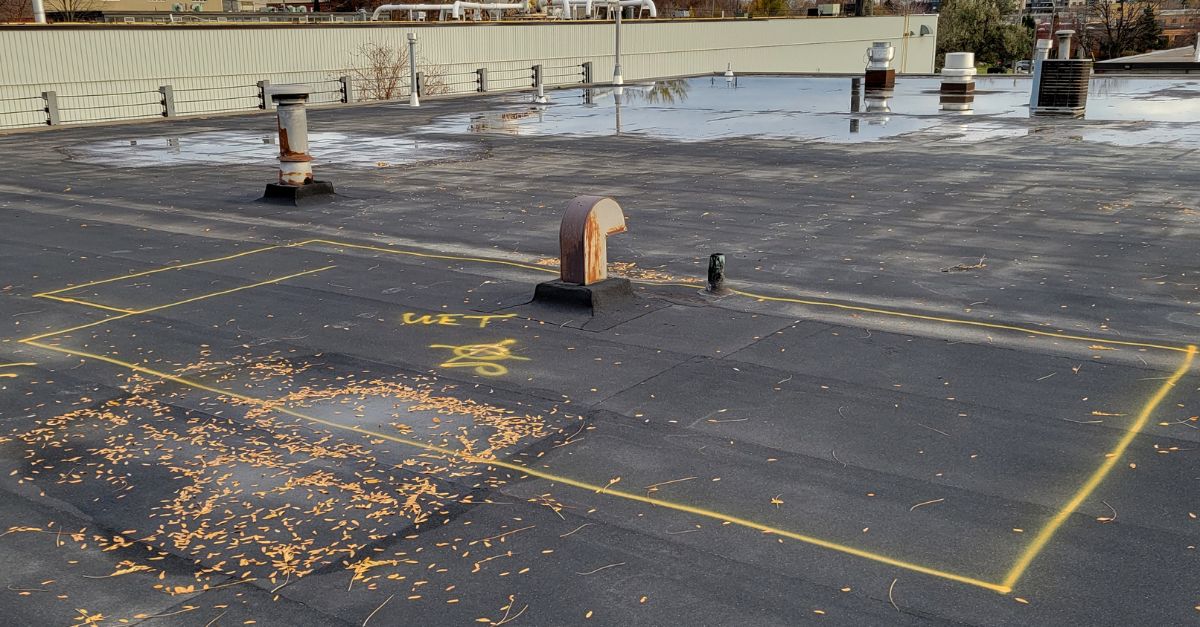
Your roof rarely demands attention until it does. Catching small issues early can spare you from leaks, mold, and costly structural damage. The challenge is knowing what to look for and when to take action. This guide explains the subtle and obvious signs of roof trouble, how those clues differ by roofing material, and practical steps to take before calling in a professional. You’ll learn where to check from the ground and in the attic, how to decide between repair and replacement, and what to prepare for a thorough inspection. A little proactive attention a couple of times a year can dramatically extend your roof’s life and protect everything underneath it.
Why Small Roof Issues Escalate
Minor gaps at flashing, a few missing shingles, or a slow-dripping nail hole might look harmless, but water rarely stays put. It travels along underlayment, rafters, and insulation, appearing far from its entry point and causing hidden damage along the way. Freeze-thaw cycles can widen tiny openings, while summer heat bakes already brittle materials. As moisture lingers, fasteners corrode, and wood softens, inviting more movement and more leaks. Homeowners can find plain-language maintenance checklists and educational resources on reputable roofing sites such as https://bealingroofing.com/, which can help you track small issues before they compound.
Time makes matters worse because roofs are systems, not single layer shingles or panels, underlayment, decking, ventilation, and flashing all work together. When one component fails, it stresses the others. Addressing small problems promptly keeps the system in balance and prevents premature aging of the entire assembly.
Checking From the Ground and From the Attic
Start outside with binoculars rather than climbing. Look for shingles that are curled, cracked, lifted, or missing; metal panels that are loose or dented; and tiles that are out of alignment. Scan ridge caps, valleys, and intersections where roofs change direction these are common leak zones. At penetrations such as chimneys, vents, and skylights, check for rusted or lifted flashing and hardened, cracked sealant. Don’t overlook gutters: consistent granule shedding (visible as sandy buildup) suggests accelerated wear on asphalt shingles, and overflowing gutters can force water back under the roof edge.
Inside, use a bright flashlight in the attic. Darkened wood, faint water stains, and a musty smell can reveal slow leaks. In daylight, look for pinholes of light at the roof deck. Feel insulation dampness indicates moisture migration even if you don’t see active dripping. Also note ventilation: warm, stagnant air or frost on nails in winter hints at inadequate airflow, which can cook shingles from beneath or trigger condensation problems that mimic roof leaks.
What Your Roofing Material Is Telling You
Different roofs fail in different ways. Asphalt shingles often show curling edges, surface cracking, and bare spots where granules have washed away. Metal roofing may reveal loose fasteners, degraded gaskets, or failed seam sealant; corrosion around cuts or panel edges deserves attention. Wood shakes can cup, split, or show moss growth indicative of trapped moisture. Tile and slate are durable but can crack or slip if fasteners fail; a few misaligned pieces in a valley can cause surprising volumes of water to bypass the intended path. With any material, consistent patterns across one slope often reflect sun exposure or ventilation issues, while isolated defects may signal impact or workmanship concerns.
Flashing and sealants are universal weak links. Step flashing along sidewalls should overlap correctly and sit snugly; counterflashing at chimneys should be embedded and not merely surface-caulked. Sealant is a backup, not a primary barrier it ages faster than metal and should not be relied on to compensate for missing or misfit flashing. When these intersections hold up, the entire roof tends to perform better.
Repair, Patch, or Replace?
Consider three questions: extent, age, and cause. If damage is localized say, a lifted shingle strip after a storm targeted repair is reasonable. If similar wear appears widely, patching may only buy a short reprieve. Age matters because materials lose flexibility and protective qualities over time; new patches on a brittle, near‑end‑of‑life surface may not bond well. Finally, trace the cause. Fixing a stained ceiling without addressing the failed valley flashing above guarantees a repeat. When in doubt, prioritize issues at critical intersections and water pathways first, then address cosmetic or isolated concerns.
Document everything before work begins. Take photos of trouble spots, inside and out, and note dates after storms. If you pursue an insurance claim, clear records help establish when damage appeared and whether it’s sudden (storm-related) or gradual (wear and tear). Keep receipts for temporary measures like tarps or emergency dry‑outs. Good documentation also helps a roofer evaluate patterns and plan a more durable fix.
Getting Ready for a Professional Inspection
Make the most of an inspection by preparing a simple packet: photos, a brief timeline of what you noticed, and any previous repair notes. Clear access to the attic and move vehicles to free up ladder space. Ask targeted questions: What is the source of the leak, not just the symptom? Are there ventilation or flashing issues contributing to broader wear? Which repairs will stop water first, and which are preventive or cosmetic? Ask the inspector to show you photos of problem areas so you can see what they see, even if you don’t climb up.
Roofs age like any other part of a home, but vigilant homeowners can slow that clock. A twice‑yearly check, a quick look after major storms, and prompt attention to flashing, gutters, and ventilation go a long way. When you do call in a professional, arrive informed: share your observations, ask for photo documentation, and prioritize permanent fixes over heavy caulking. By combining careful self-checks with skilled evaluation, you’ll catch the small stuff early, avoid disruptive surprises, and protect your home through the seasons.
