

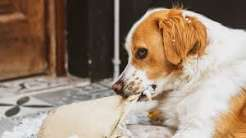
You notice the missing sock, the chewed corner of a toy, the cat nosing at string, and your stomach drops. Sometimes it looks odd but harmless. Sometimes it turns into vomiting, gagging, constipation, or a pet that suddenly seems quiet and uncomfortable. Pica in dogs and cats sits in that uneasy space between behavior problem and medical warning sign, which is why it rattles people and may require veterinary care in Universal City, Texas. You are not overreacting if you feel worried.
Pica means eating nonfood items. A general veterinarian does not treat it as a single issue with a single fix, because the reason behind it can be very different from one pet to the next. Stress, boredom, nausea, intestinal disease, nutritional imbalance, dental pain, and learned habits can all play a part. The job is to figure out what clue points to behavior, what clue points to illness, and what clue suggests an emergency.
Pattern, material, and timing give a veterinarian the first clues
The first clue is what your pet is eating, how often, and when it happens. A dog that steals dish towels only when left alone tells a different story than a cat that repeatedly eats wool, plastic, or litter. A puppy chewing random objects may be exploring the world. An adult pet that suddenly starts swallowing inedible items raises more concern for pain, nausea, anxiety, or a change in the home.
Timing matters because it helps separate impulse from physical discomfort. If your dog starts licking floors, chewing fabric, or swallowing objects right before meals, hunger or a feeding routine issue may be involved. If it happens late at night when the house is quiet, stress or compulsive behavior may be part of the picture. If it begins after a move, a new baby, a new pet, or a schedule change, your veterinarian may look harder at anxiety and environmental stress.
This is one reason pica in dogs and cats is investigated with detailed history, not guesswork. The pattern often tells the story before a test ever does.
Digestive signs can point to nausea, gut disease, or obstruction
The second clue is what else your pet’s body is doing. Pica often shows up beside vomiting, lip licking, drooling, burping, constipation, diarrhea, decreased appetite, or weight loss. Those details matter because some pets eat strange things when they feel nauseated, and some develop pica because an underlying gastrointestinal problem is driving the behavior.
The risk nobody wants to miss is obstruction. A sock, string, corn cob, hair tie, or chunk of toy can move from odd habit to surgical emergency fast. If your pet is retching, vomiting repeatedly, painful in the abdomen, weak, or unable to keep food down, a veterinarian has to consider blockage right away. The Merck Veterinary Manual explains how gastrointestinal obstruction in small animals can become serious quickly, especially when the object cannot pass on its own.
You might have seen your pet act almost normal between episodes, which makes this harder. Many pets with partial obstruction still have bursts of energy. That does not rule out danger.
Age, species, and home stress shape unusual eating habits in pets
The third clue is who your pet is and what daily life looks like. Young animals mouth and chew more. Certain cats with wool sucking or fabric eating may have a compulsive pattern. Indoor pets with little enrichment may turn to chewing and swallowing when boredom builds. Pets in tense homes, homes with conflict between animals, or homes with long stretches alone can use repetitive eating behavior as an outlet.
Stress based pica is still real pica. It does not mean the behavior is harmless. It means the treatment plan may need to include more than medication or diet. The University of California, Davis offers a helpful overview of unusual eating habits in pets, including patterns tied to behavior and environment.
This is where a veterinarian for pet pica often asks questions that seem unrelated at first. Has anything changed at home. Is the litter box setup different. Does your dog get enough exercise. Does your cat have safe places to climb, hide, and play. Those details can matter as much as lab work.
Medical history and physical exam help uncover pain and deficiency
The fourth clue is the rest of your pet’s health picture. Dental disease, oral pain, parasites, anemia, endocrine disease, and chronic intestinal issues can all push a pet toward abnormal eating. A pet with untreated pain may chew or mouth objects more. A pet with chronic gut irritation may eat grass, paper, or fabric because nausea changes behavior in strange ways.
Your veterinarian will usually start with a physical exam, a close review of diet, and questions about stool, appetite, weight, and medications. Blood work, fecal testing, X rays, or ultrasound may follow if symptoms suggest a medical cause. That process can feel frustrating when you want a quick answer, but it is how a general veterinarian separates a habit from a health problem.
Home observation can help, but watchful waiting has limits
The fifth clue is what happens when you try simple changes at home. Some pets improve when access to tempting objects is blocked, exercise increases, feeding is adjusted, and enrichment becomes part of the day. Others keep seeking nonfood items despite your best effort. That persistence is a clue in itself. It suggests the behavior may be reinforced, anxiety driven, or linked to a medical issue that needs more than home management.
| Situation | Home Management May Help | Veterinary Care Is Needed |
|---|---|---|
| Young pet chewing safe, non swallowable items | Supervision, chew alternatives, routine, enrichment | If items are swallowed or behavior escalates |
| Adult pet with new pica behavior | Remove access to objects and track patterns | Yes, especially if the change is sudden |
| Pica plus vomiting, diarrhea, pain, or appetite loss | No | Yes, promptly |
| String, socks, plastic, bones, or hair ties swallowed | No induced vomiting unless a veterinarian instructs you | Yes, urgent assessment |
| Behavior tied to boredom or stress | Environmental changes can reduce episodes | Yes if the behavior continues or causes risk |
Three steps you can take right now when a dog or cat is eating nonfood items
1. Start a simple log. Write down what your pet ate, when it happened, what was going on in the home, and any vomiting, stool changes, or appetite changes. Video helps if you can capture the behavior safely. This gives your general veterinarian usable clues fast.
2. Remove access and upgrade enrichment. Pick up laundry, string, rubber items, children’s toys, and anything small enough to swallow. Feed on a schedule. Add walks, play sessions, puzzle feeders, chew options for dogs, and climbing or hunting style play for cats. These changes do not replace care, but they reduce risk now.
3. Know the red flags. Repeated vomiting, retching, a painful belly, trouble passing stool, low energy, refusal to eat, or known swallowing of a risky object needs prompt veterinary attention. Abnormal eating in pets can turn urgent without much warning.
You do not need to solve pica alone, and you do not need to wait until it becomes a crisis to ask for help. When a pet eats nonfood items, the safest next step is a veterinary evaluation that looks at behavior, environment, and health together. A general veterinarian can help you sort out the cause, lower the risk of obstruction, and build a plan that makes daily life feel manageable again.
