

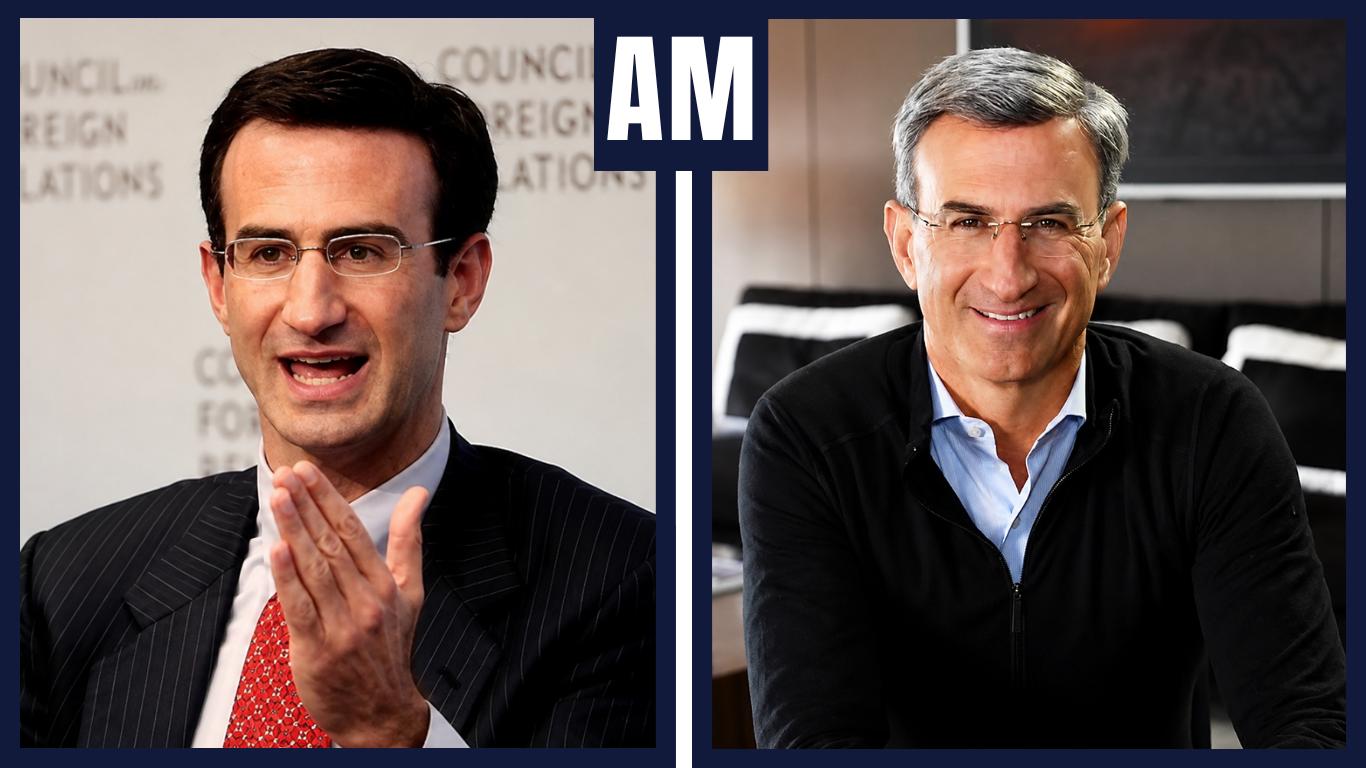
Peter Orszag Hair: Real, Toupee, or Hair Integration? What Experts Actually Said became one of the most unexpected internet mysteries during the early years of President Barack Obama’s administration. Back in 2009, when the United States was navigating a massive financial crisis, the public’s eye unexpectedly turned toward the Director of the Office of Management and Budget. Instead of focusing solely on multi-trillion-dollar federal budgets and fiscal deficit projections, political blogs and high-society gossip columns were endlessly analyzing the remarkably dense, jet-black hairline sitting atop Peter Orszag’s head.
It was a strange cultural moment where policy intellect met tabloid-level obsession. Washington insiders and cable news commentators alike found themselves transfixed by a civil servant’s grooming habits. What started as lighthearted banter on political forums rapidly morphed into a full-blown national debate, complete with side-by-side photographic breakdowns, quotes from Manhattan barbers, and competing theories about non-surgical hair restoration. To truly understand why a budget director’s scalp dominated headlines, one has to examine the unique mix of media culture, political image-making, and hair restoration science that fueled the fire.
The “Geek Chic” Era: How Orszag Became Washington’s Policy Heartthrob
When Peter Orszag assumed his role as President Obama’s budget director at age 40, he did not fit the traditional mold of a graying, career bureaucrat. With his dark-rimmed designer glasses, tailored dark suits, athletic build, and striking black hair, Orszag quickly earned a reputation as the policy world’s most eligible bachelor. Media outlets like The New York Times, Gawker, and The Washington Post coined terms like “geek chic” and “policy heartthrob” to describe his sudden rise to political stardom. He frequented high-profile D.C. dinners and was regularly spotted on the arm of prominent figures, eventually marrying news anchor Bianna Golodryga in a star-studded 2010 wedding.
This combination of political power and Hollywood-style attention created a perfect storm for media fixation. In an administration defined by youthfulness and charisma, Orszag stood out as the intellectual anchor who somehow looked more like a Madison Avenue executive than an economics professor. As his public profile expanded beyond financial committees to tabloid gossip columns, observers began inspecting every detail of his physical appearance. Chief among those details was his hairline, which looked surprisingly full, uniform, and impervious to the typical signs of stress and aging that normally accompany top-tier government roles.
The Hairline Controversy: Why Gossip Blogs Zoomed In
The digital media landscape of 2009 was defined by the rise of high-definition digital photography and rapid-fire blogging. Outlets like The Huffington Post and Dealbreaker realized that zooming in on high-resolution photos of government officials generated massive click-through rates. When press photos of Orszag surfaced during congressional budget hearings, bloggers noticed an oddly perfect, dark perimeter around his forehead. The hair was intensely thick, uniformly pigmented, and structured with a crispness that seemed almost engineered, prompting bloggers to compare it to a molded helmet or a dense, dark carpet.
This intense visual scrutiny sparked endless debates across the internet regarding the Peter Orszag hair phenomenon. Commentators pointed out that while most men in their 40s experience at least slight temporal recession or thinning near the crown, Orszag’s hairline appeared low, flat, and unusually rigid. Critics argued that under harsh podium lights, the texture appeared noticeably different from typical natural growth. As the digital chatter amplified, what began as idle internet trolling escalated into mainstream news reporting, pushing newsrooms to consult professional stylists and hair restoration experts to solve the mystery once and for all.
Theory 1: Was It a Classic Toupee or Hairpiece?
The initial and most common speculation among online critics was that Orszag was wearing a classic hairpiece or toupee. Proponents of this theory highlighted the sharp contrast between his dark hair and his skin tone, as well as the noticeable lack of natural scalp visibility along his part. In traditional hairpieces, synthetic or donor human hair is tied to a mesh base, which can sometimes create an unnaturally solid wall of hair if not blended meticulously with the wearer’s natural side hair. Observers noted that Orszag’s style rarely shifted, even during windy outdoor photo shoots on the White House lawn.
However, many hair replacement professionals questioned the classic toupee theory. Traditional toupees are notoriously difficult to hide under the glare of high-definition television cameras and press flashes, which tend to reveal the base lace or color discrepancies. Given that Orszag was constantly under intense public scrutiny, traveling frequently, and participating in long congressional hearings, a standard clip-on or tape-on hairpiece would carry a high risk of slipping or looking obvious from certain angles. While a basic hairpiece remained a popular rumor among the general public, industry insiders suspected that if he was using hair enhancement, it had to be something far more sophisticated.
Theory 2: The Hair Integration and Non-Surgical Bonding Hypotheses
As the discussion deepened, hair restoration technicians suggested a second, more advanced possibility: non-surgical hair integration or perimeter bonding. Unlike a removable toupee, modern hair integration involves bonding a fine monofilament mesh directly to the scalp using specialized medical adhesives. Real human hair is woven through the matrix, allowing the wearer to shower, exercise, and style their hair normally for weeks at a time. Stylists interviewed during the height of the controversy noted that this technique creates a seamless, immovable hairline that looks remarkably dense even up close.
In a detailed investigative profile published by the Observer, top Manhattan hair-enhancement specialists analyzed various high-resolution portraits of Orszag to evaluate this exact hypothesis. Several experts noted that the density pattern at his frontal hairline exhibited traits consistent with modern hair bonding, where micro-thin poly bases are fused to the skin to mimic natural follicle growth. This method would explain why his hair remained completely static and perfectly positioned regardless of his grueling schedule. While non-surgical integration provided a plausible explanation for his flawless look, it remained a theoretical deduction based purely on photo analysis rather than official confirmation.
Theory 3: Unusually Dense Natural Hair and Smart Grooming
Despite the overwhelming volume of speculation, a third compelling argument emerged: Orszag simply possessed exceptionally fortunate genetics combined with strategic grooming. Male pattern baldness does not affect every individual, and a small percentage of men maintain thick, juvenile hairlines well into middle age and beyond. Supporters of this theory pointed out that if a man with naturally coarse, dense hair uses strong hold pomades, dark color dyes, and thickening creams, the result can easily be mistaken for an artificial hairpiece on camera.
Furthermore, professional hairstylists emphasize the dramatic effect that optical illusions can play in grooming. By maintaining a clean side part and brushing dense hair forward and across the forehead, a stylist can create the illusion of an unbroken, solid wall of hair. In addition, cosmetic hair building fibers—made of natural keratin proteins—were gaining widespread popularity among public figures during this era. When sprinkled onto natural hair, these fibers electrostatically bind to existing strands, instantly concealing any minor thinning and creating a thick, solid appearance under press lighting.
What the Experts Said: NYC Barbers and Hair Restoration Specialists Weigh In
To settle the ongoing debate, several high-profile publications consulted veteran Manhattan barbers and trichologists for their professional opinions on Peter Orszag hair: real, toupee, or hair integration? What experts actually said varied depending on their individual area of expertise. Barbers who specialized in classic men’s cuts tended to lean toward natural growth, suggesting that Orszag’s hair was simply thick, dark, and cut with heavy-handed precision. They noted that a square facial structure paired with a tight, classic taper often projects a sharp, almost rigid silhouette that can appear artificial to the untrained eye.
Conversely, hair restoration surgeons and medical hair-replacement technicians remained divided. Some specialists noted that the natural crown whorl and grain of his hair appeared far too organic to be an artificial unit, as even the best hairpieces occasionally struggle to replicate natural cowlicks. Other hair replacement consultants maintained that the uniform density from front to back was characteristic of high-end hair additions. Ultimately, the expert consensus settled on a draw: while nobody could prove the existence of an artificial unit without an in-person scalp examination, all agreed that Orszag possessed one of the most remarkable and discussed heads of hair in political history.
Political Branding and the Power of Personal Appearance in D.C.
The fascination with Orszag’s hair highlighted a broader shift in how the American public consumes political news. The late 2000s marked a transition where cabinet members and administrative officials were no longer hidden behind policy papers; they were treated like public celebrities subject to fashion critiques and image consulting. A strong, youthful appearance communicates vigor, discipline, and authority—traits that are highly valued in leaders managing complex national crises. In this context, grooming choices become an extension of a public official’s professional brand.
Orszag’s sleek, polished aesthetic reinforced his image as a sharp, modern, and decisive technocrat. Whether his hair was entirely natural or enhanced through modern cosmetics, it contributed to a distinct personal brand that set him apart from his peers in government. The media obsession demonstrated that in modern politics, personal aesthetics can sometimes overshadow policy debates, transforming ordinary administrative figures into subjects of ongoing public fascination and pop-culture discussion.
How Orszag and the White House Handled the Hair Headlines
Throughout the media storm, Orszag demonstrated a high degree of poise and self-aware humor regarding the public’s obsession with his appearance. Rather than issuing defensive statements or ignoring the commentary entirely, he occasionally acknowledged his “geek chic” persona with dry wit during public speaking engagements and budget briefings. By treating the gossip with lighthearted indifference, he managed to defuse potential awkwardness and maintain focus on his primary responsibilities as OMB Director.
The White House press office similarly chose not to engage with the tabloid speculation, keeping official communications strictly focused on economic recovery plans and healthcare reform. This approach allowed Orszag to navigate the peculiar media spotlight without letting it undermine his professional credibility. By the time he stepped down from his position in mid-2010 to transition into the private financial sector, the hair debate had solidified into a fond, humorous footnote of the early Obama era.
Conclusion
When reviewing the mystery of Peter Orszag hair: real, toupee, or hair integration? What experts actually said, the ultimate truth remains a closely guarded personal secret. Whether his striking hairline was the product of exceptional genetic luck, expert styling products, or state-of-the-art non-surgical hair replacement, it undeniably captured the imagination of the press and the public during a pivotal era in American political history.
Beyond the lighthearted gossip, the debate over Orszag’s look serves as a fascinating case study in political branding, media culture, and the evolving perception of public officials. It demonstrated how online blogging and high-definition media transformed ordinary policy makers into pop-culture icons. Today, the legend of Peter Orszag’s hair stands as a memorable reminder of a unique moment when Washington budget mathematics and Madison Avenue style collided in the national spotlight.
FAQs
Did Peter Orszag ever publicly confirm wearing a toupee?
No, Peter Orszag has never confirmed wearing a toupee, hairpiece, or undergoing hair integration procedures. He generally maintained a humorous, lighthearted silence regarding the media fixation on his grooming.
Why was there so much media focus on Peter Orszag’s hair?
During the early Obama administration, political media and gossip blogs began focusing heavily on the personal lives and appearances of young, high-ranking government officials. Orszag’s unusually thick hairline and high-profile social life made him a primary target for “geek chic” commentary.
What is the difference between a toupee and hair integration?
A toupee is a traditional, removable hairpiece that covers the top of the head using clips or double-sided tape. Hair integration, or non-surgical bonding, involves fusing a micro-mesh base to the scalp with medical adhesives, allowing the wearer to keep it on continuously during daily activities.
