

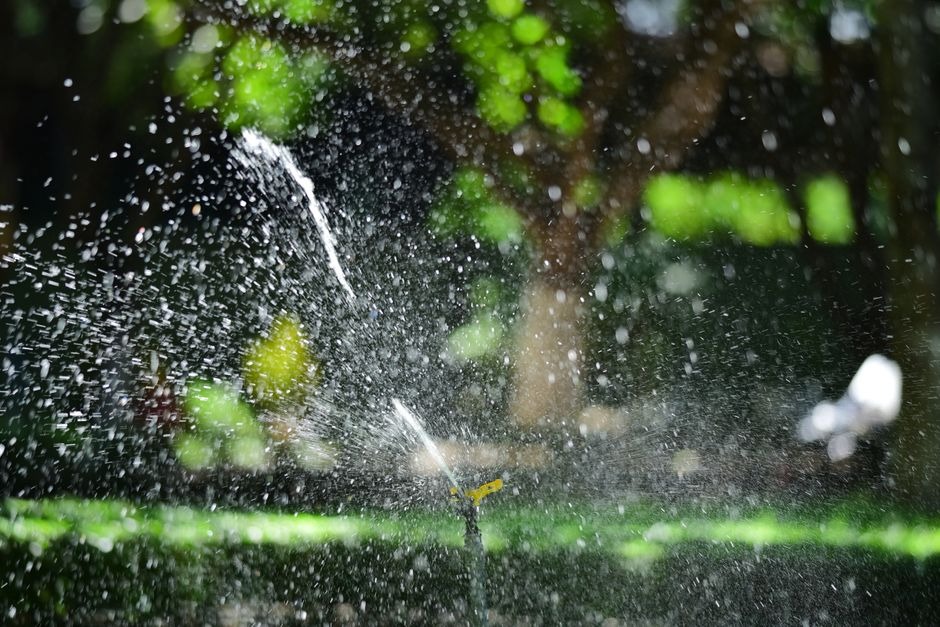
If you live in Apollo Beach, your lawn deals with a very specific mix of heat, humidity, sandy soil, and sudden downpours. That combination can make watering feel strangely complicated. One week your grass looks thirsty by breakfast, and the next week your yard is basically a sponge. A healthier lawn usually comes down to better habits, smarter timing, and a system that actually works the way you think it does.
Small Sprinkler Problems Can Quietly Drain Your Budget
A broken sprinkler head doesn’t always announce itself like a geyser in a cartoon. Sometimes the signs are subtle. Maybe one patch of lawn keeps browning while another turns swampy. Maybe water is spraying the driveway with surprising dedication. Maybe your system sounds normal, but your water bill starts acting suspicious.
Leaks, clogged nozzles, tilted heads, and poor pressure distribution can all chip away at efficiency. You’re paying for water that never reaches the right spot, and your lawn still looks uneven. That’s a rough deal.
If you’re noticing dry zones, overspray, or inconsistent coverage, getting sprinkler repair in Apollo Beach can make practical sense. Repairs aren’t just cosmetic. They help your system deliver water where it belongs, with less waste and less guesswork.
Start by Understanding What Your Lawn Actually Needs
A lot of watering mistakes happen because you’re reacting to what the lawn looks like that day instead of what it needs over time. Grass in warm coastal Florida usually needs deep, infrequent watering rather than daily light sprays. Short watering sessions often leave roots shallow, which makes your lawn more dependent on constant irrigation.
You’ll get better results when you watch for clues like folded blades, footprints that stay visible, or dry soil a few inches down. A lawn can look dull without being in crisis. Overwatering creates its own mess, including fungus, weeds, and runoff that heads straight for the sidewalk.
Think of irrigation as maintenance, not panic management. Your goal is steady root health, not a permanently soaked green carpet.
Watering Schedules Should Follow Weather, Not Habit
It’s easy to set a sprinkler timer once and forget it. It’s also one of the fastest ways to waste water. Apollo Beach weather changes quickly, especially during rainy months, and a fixed schedule rarely keeps up. If your system runs right after a storm, your lawn isn’t getting premium care. It’s getting an unnecessary bath.
Watering early in the morning is usually the sweet spot. You lose less moisture to evaporation, and the grass has time to dry during the day. Evening watering can leave moisture sitting too long, which gives fungal issues a friendly invitation.
Pay attention to seasonal shifts too. Summer heat may require a different rhythm than cooler months. Even basic timer adjustments can lower your utility bill and improve lawn performance without any dramatic landscaping overhaul.
Uniform Coverage Matters More Than Most Homeowners Realize
Many lawns look patchy not because they need more water overall, but because they’re getting water unevenly. One sprinkler head may be blocked by a shrub. Another may be tilted too low. A mismatched nozzle might drench one area and barely mist another.
Uniformity is the underrated hero of lawn care. When every zone gets similar coverage, you avoid the cycle of overwatering healthy spots just to rescue dry ones. That leads to better color, stronger roots, and fewer disease issues.
A simple audit can reveal a lot. Run each zone and walk the yard. Check whether streams are hitting pavement, flower beds, fences, or the side of your house for no good reason. Irrigation should be targeted, not creative. If your sprinklers are freelancing, your lawn is paying for it.
Smart Controllers and Rain Sensors Are Worth a Look
You don’t need a futuristic yard setup to water more efficiently, but a few upgrades can make a noticeable difference. Smart irrigation controllers adjust schedules based on weather data, seasonal changes, and local conditions. Rain sensors pause watering when nature has already handled the job.
That matters in places where sudden rainstorms are common. Running sprinklers during a wet week doesn’t make your lawn healthier. It just creates soggy soil and a higher bill. Smart tools reduce that problem without forcing you to babysit the schedule every day.
If you travel often or tend to forget system settings, automation can be especially useful. The best part is practical, not flashy. You use less water, avoid overcorrecting, and keep the yard more stable over time. Sometimes lawn tech really does earn its keep.
Lawn Health Is Also About What Happens Around the Sprinklers
Even a perfectly tuned irrigation system can’t fix every lawn problem. Mowing too short, compacted soil, dull mower blades, poor drainage, and heavy foot traffic all affect how grass responds to watering. If your lawn struggles no matter how carefully you irrigate, the issue may be broader than moisture alone.
Keep your mower height appropriate for your grass type, and avoid cutting too much at once. Healthy grass blades shade the soil and slow evaporation. Aeration can help if the ground feels hard and water isn’t soaking in well.
It also helps to rethink curb appeal as a system, not a single chore. Watering, mowing, fertilizing, and drainage all interact. When one part is off, the rest work harder to compensate. Lawns are a little high-maintenance, sure, but they do respond well to consistency.
A More Efficient Yard Usually Starts With Observation
You don’t need to become a turf scientist to make smarter lawn decisions. You just need to pay closer attention to patterns. Notice where water pools, where grass dries first, and whether irrigation lines up with current weather. A lawn tells on itself pretty quickly when something is off.
The most useful approach is simple: water with intention, inspect your system regularly, and fix issues before they snowball into dead patches or inflated bills. In a place like Apollo Beach, where climate conditions can swing from steamy to stormy in a hurry, that kind of awareness goes a long way.
A good-looking yard isn’t only about aesthetics. It reflects how well your outdoor space is functioning. When watering is efficient and targeted, you save money, waste less, and give your lawn a much better shot at staying healthy through every season.
