

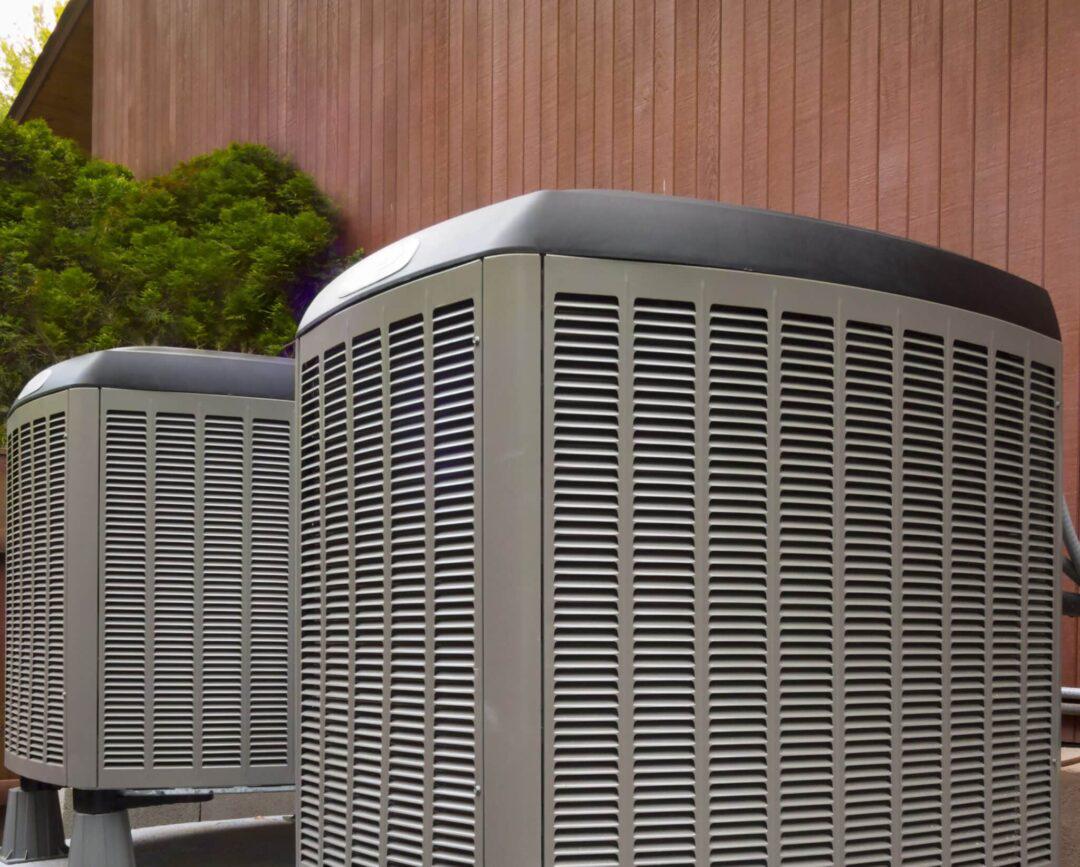
Desert summers push cooling systems hard, but a few targeted adjustments can make them run steadier, cooler, and with less strain. This is not about buying new equipment. It is about tuning what you already have: thermostat schedules that match hot, dry days and cooler nights, filters that clean the air without choking airflow, ducts that actually deliver cold air to the far rooms, an outdoor unit that can breathe, and a condensate drain that will not surprise you during a humid spell. The payoff is even room temperatures, shorter recovery times, and fewer mid-season surprises when heat is at its worst.
- Program Thermostat Schedules for Hot, Dry Days and Cooler Nights
In Peoria, long cooling seasons pair with big afternoon solar gain and cooler nights. That pattern matters to scheduling. Deep daytime setbacks can force long, late-day recovery runs that leave west-facing rooms lagging. Try modest setbacks and start the “recovery” earlier than you think so the system ramps up before the hottest hour. Single-stage ACs handle gradual, predictable changes best. Two-stage and variable-speed systems tolerate wider setbacks, but they still need time to pull heat out of walls, floors, and furnishings that have been baking for hours.
Uneven rooms often trace back to how heat enters the home, not just the setpoint. For example, a family room with large west-facing glass can spike several degrees late in the day, even with a perfect schedule. Use interior shades during peak sun, run the system’s circulation fan for short mixing cycles, and avoid closing multiple supply registers to “push” more air elsewhere. Closing too many supplies raises static pressure, which cuts total airflow and can warm every room, not only the one you adjusted.
- Match Air Filter MERV to Your System’s Airflow, Not Just Dust Concerns
Higher MERV filters capture smaller particles, but they also add airflow resistance. In a 1 inch filter slot, a jump from a moderate MERV to a much higher one can push static pressure past what the blower is designed to handle. That can reduce air crossing the evaporator coil, drop supply air volume at the registers, and in some cases allow the coil to run too cold and frost. If you want finer filtration, consider a deeper 3– to 5-inch media cabinet designed for lower pressure drop, or a filter with published pressure specifications that match your system’s blower table.
Here is a common scenario. A homeowner swaps a MERV 8 for a high MERV 1 inch filter to help with seasonal dust. Within days, the return grille whistles, airflow feels weaker, and upstairs rooms struggle. The fix is not to remove filtration. Choose a filter that balances capture and airflow: a deeper media filter, a slightly lower MERV that still improves particulate control, or more frequent changes during dusty months. This keeps the filter from loading to the point of restriction.
- Find Hidden Airflow Losses in Ducts, Returns, and the Attic
Air that never makes it to the room cannot cool it. Crushed flex duct, loose boots at the ceiling, undersized return grilles, and leaky plenums all sap capacity before the air even exits a register. In single story desert homes with attic ducts, high attic heat raises the stakes: every gap leaks conditioned air into an already hot space. Look for telltales like a return grille that is loud or hard to remove, which can indicate restriction; rooms with weak supply air even when nearby rooms are strong, which can indicate a possible duct pinch; and visible gaps where metal meets drywall at registers, which can signal a boot leak.
If one bedroom always runs warm by evening, it may be under-supplied or under-returned. In the short term, a technician can partially close a balancing damper serving an over cooled room to nudge air toward the warm one. Over the long term, solutions include sealing ducts with mastic, correcting kinks in flex runs, adding a transfer grille or jump duct to improve return path, or verifying total external static pressure with test ports at the air handler. The data show whether the blower is fighting duct resistance or moving cool air efficiently.
- Keep the Outdoor Condenser Breathing and the Coil Clean
The outdoor unit rejects indoor heat through the condenser coil. Blocked airflow or a dirty coil forces high head pressure, which cuts capacity and can trip safeties during extreme heat. Maintain open clearance on all sides, trim shrubs back, and keep dryer vents from blowing lint toward the fins. If wind-blown dust cakes the coil, turn off the unit at the disconnect and gently rinse the fins from the inside out with a garden hose on low pressure. Avoid bending fins, and do not force water into the electrical compartment.
Be careful with shade structures. A lattice or sun screen that allows free cross ventilation can reduce direct sun on the cabinet, but solid fencing tight to the unit traps hot discharge air and recirculates it back through the coil. If you feel hot air washing back toward the coil while the fan runs, clearance or venting is inadequate. Restoring clean, cool intake air can shave minutes off runtime during peak temperature hours because the system no longer fights its own exhaust.
Clear the Condensate Path Before Humidity Spikes
Even in arid climates, the evaporator coil sheds water when indoor humidity rises. That water must flow through the primary condensate drain, often with a small P trap and cleanout. A partially clogged line or algae growth in an attic air handler can overflow into the secondary pan. If a float switch is installed, it should shut the system off to prevent ceiling damage; if it is not working, water can stain drywall before anyone notices. Before the season, flush the drain at the cleanout, verify the P-trap is intact, and confirm the drain termination is clear and visible.
A quick functional check helps. With the system off at the thermostat, gently lift the float switch to ensure it interrupts power to the air handler. Then lower it and restart cooling. If the switch does nothing, address it before the first humid week. The goal is simple: water that forms on the coil leaves the home without pooling, and a backup safety stops cooling before water reaches ceilings, closets, or the furnace cabinet below the coil.
Peak heat exposes every weak point in a cooling system: a filter that is too restrictive, a return that cannot breathe, a condenser that takes in its own hot exhaust again, or a drain that cannot keep up when humidity rises. Tuning these items before the hottest weeks pays off in steadier temperatures and fewer urgent calls when appointments are hardest to get. Start with the schedule and airflow you can control, verify the outdoor unit and the drain are ready, and consider a professional static pressure and duct inspection if a room consistently lags. Small fixes often restore comfort where bigger changes once seemed inevitable.
