

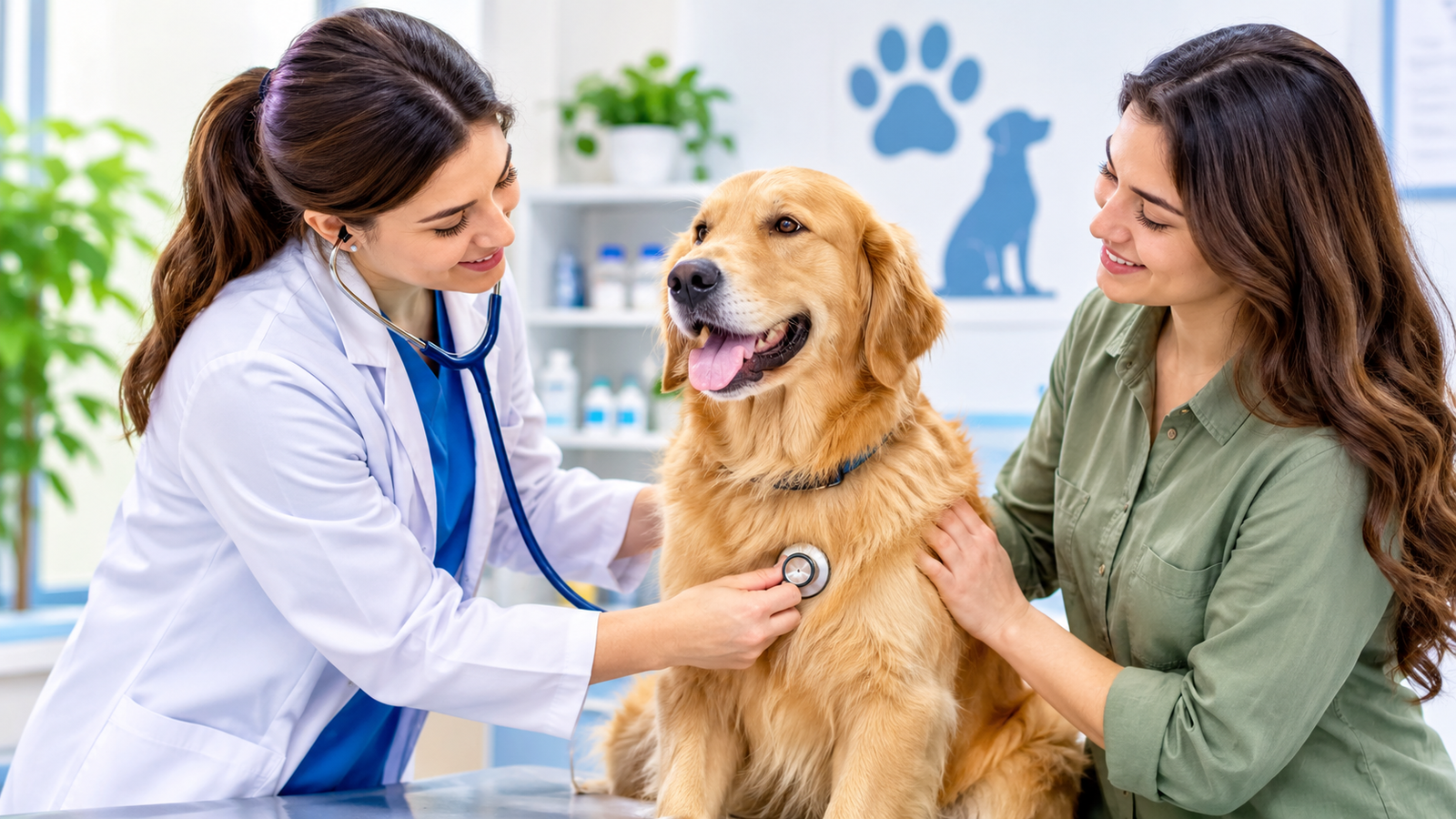
You know the feeling. Your pet skips a meal, starts limping, or acts just a little off, and your mind goes straight to worst case scenarios. That stress is real because pets cannot tell you what hurts, how long it has been going on, or whether it is getting worse. You are left watching, guessing, and hoping you do not miss something serious. A Central Boise veterinarian can help you get answers and peace of mind.
A good veterinary hospital eases that weight in ways that go far beyond vaccines or annual exams. It gives you a place to turn when something feels wrong, a team that can spot problems early, and a plan for both routine care and emergencies. That is where 5 ways veterinary hospitals provide peace of mind for pet owners becomes more than a headline. It is about knowing your pet has support before a crisis starts.
Veterinary hospitals catch problems before they turn into emergencies
Many pet health issues start small. A mild cough can become pneumonia. Dental disease can lead to pain, infection, and trouble eating. Weight gain can quietly set the stage for joint strain, diabetes, or heart stress. When care is delayed, the problem usually gets harder and more expensive to treat.
Routine visits at a veterinary hospital create a record of what is normal for your pet. That matters more than many owners realize. A veterinarian who knows your pet’s weight trends, behavior, appetite, and exam history is more likely to catch subtle changes early. Early care often means fewer complications, less suffering, and fewer middle of the night emergencies.
This is one reason pet hospital care for owners seeking reassurance matters so much. It replaces uncertainty with informed attention.
Veterinary hospitals give you clear answers when symptoms are confusing
Pet symptoms are often vague. Lethargy can mean pain, infection, stress, stomach upset, or something more serious. Vomiting once may be minor, or it may be the start of a blockage or toxin exposure. Waiting and searching online can make the fear worse because every answer seems possible at once.
A veterinary hospital brings structure to that chaos. Physical exams, lab testing, imaging, and direct observation narrow things down fast. You are not left trying to judge severity based on guesswork. You get a clearer picture of what is happening, what needs treatment now, and what can be monitored safely.
That kind of clarity helps emotionally as much as medically. Even when the news is difficult, having a real diagnosis is easier than sitting in the dark with a dozen possibilities.
Veterinary hospitals support emergency planning before panic takes over
Emergencies rarely arrive at convenient times. Storms, travel, power outages, accidental poisonings, and sudden injuries all happen without warning. In those moments, peace of mind comes from preparation, not luck.
Veterinary hospitals often help owners build that preparation. They can guide you on medication refills, vaccination records, travel needs, and the basics of what to keep in a pet emergency kit. The CDC offers practical guidance on pet emergency preparedness, and that advice becomes much easier to use when your veterinary team already knows your pet’s health needs.
If your pet has a chronic condition, preparation matters even more. Missing insulin, seizure medication, or prescription food during a disruption can quickly become dangerous. A hospital team helps you think ahead while things are still calm.
Veterinary hospitals protect both pet health and household health
Pet care is not only about the animal in front of you. Some illnesses can affect other pets and, in some cases, people. Parasites, skin conditions, bites, and certain infections can create stress for the whole household, especially if you have children, older adults, or anyone with a weaker immune system.
Veterinary hospitals help reduce that risk through prevention, screening, and education. They can explain vaccine schedules, parasite control, sanitation, and warning signs that should not be ignored. The CDC’s page on healthy pets and safe interactions is a strong resource, and it works best alongside advice tailored to your own pet and home.
This is one of the quieter benefits of a veterinary hospital. You are not only caring for your pet. You are protecting your daily life from avoidable disruption.
Veterinary hospitals help you make calmer financial decisions
Cost is one of the hardest parts of pet ownership. Most people want to do everything possible, but the reality of diagnostics, surgery, medications, and follow up care can feel overwhelming. When a problem has gone untreated for too long, the bill often rises with the urgency.
Regular care at a veterinary hospital can lower the odds of that kind of financial shock. Preventive care, early treatment, and a relationship with a care team often give you more options. You may have time to discuss treatment paths, prioritize next steps, and plan for likely needs instead of making rushed decisions under pressure.
| Situation | Waiting and Watching Alone | Working With a Veterinary Hospital |
|---|---|---|
| New symptom appears | Guesswork, internet searches, delayed action | Exam, testing, and a clearer treatment plan |
| Chronic condition management | Missed changes, medication gaps, rising risk | Monitoring, refill planning, and regular follow up |
| Emergency event | Panic, missing records, no established contact | Prepared records, guidance, and faster response |
| Long term costs | Higher chance of advanced illness and urgent care bills | More preventive care and earlier, often simpler treatment |
The American Veterinary Medical Association also offers helpful resources for pet owners that can make conversations about care, prevention, and planning feel more manageable.
Practical steps that reduce stress right away
Schedule a baseline visit. If your pet has not been seen recently, book an exam before something urgent happens. A baseline gives your veterinary hospital useful information and gives you a trusted point of contact.
Build a simple pet health file. Keep vaccine records, medications, allergies, past diagnoses, and emergency contacts in one place. Use your phone, a folder, or both. When stress hits, you do not want to hunt for details.
Watch patterns, not single moments. Write down appetite changes, bathroom habits, coughing, limping, itching, or shifts in energy. Those notes help a veterinary team connect the dots faster than memory alone.
Peace of mind comes from having support before you need it most
You do not have to wait for a crisis to feel supported. The right veterinary hospital helps you stay ahead of problems, understand symptoms, prepare for emergencies, and make steadier choices when emotions run high. That is the real value of veterinary care. It protects your pet, and it gives you room to breathe.
If your pet is due for care, reach out to a trusted veterinary hospital and get that support in place now.
