

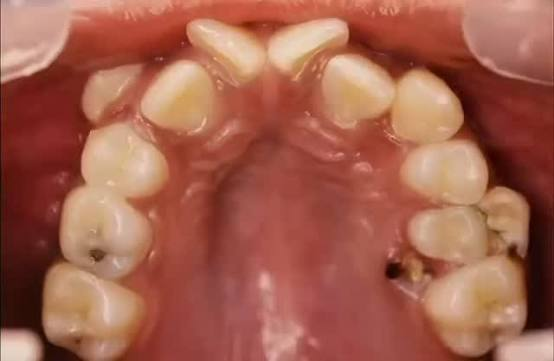
You noticed it during brushing, in a photo, or when your child smiled just right. One permanent tooth is coming in, and the matching tooth on the other side still is not there. That gap can make any parent uneasy, especially when everything seemed to be moving along normally until now. In many cases, a delayed tooth eruption has a simple explanation, but sometimes it points to a problem that needs a closer look. If you are concerned, a kids orthodontist in Reseda, CA can help evaluate what is happening.
When one permanent tooth erupts later than its neighbor, the difference may come from normal timing, crowding, a baby tooth that will not let go, a tooth that is stuck in the gum or bone, missing teeth, or a growth blocking the path. The key is not guessing for months while you hope it catches up. A pediatric dentist can check whether the tooth is simply late or whether your child needs help.
Normal Eruption Timing Can Still Be Uneven
Children do not lose baby teeth on an exact schedule, and permanent teeth do not always arrive in perfect pairs. A tooth can be a few months behind its opposite side and still be within a normal range. According to MedlinePlus guidance on delayed tooth formation and eruption, tooth eruption timing varies from child to child.
That said, symmetry matters. When one side is clearly ahead of the other, dentists pay attention because paired teeth often erupt close together. If the gap in timing keeps growing, or if the other side has been in for a while, your child may need an exam and X rays to see what is happening under the gums.
A Retained Baby Tooth Can Block the Permanent Tooth
Sometimes the permanent tooth is ready, but the baby tooth above it is still holding on. You may see one side already replaced by an adult tooth while the other side still has a baby tooth that looks stubborn and slightly out of place. That can slow or redirect eruption.
This is one of the more common reasons for delayed tooth eruption. If the baby tooth root does not dissolve as expected, the permanent tooth may stay trapped longer or come in at an angle. Early evaluation matters here because a simple extraction at the right time can create the space the permanent tooth needs.
Crowding Can Push Eruption Off Course
Some children have enough room for incoming teeth, and some do not. If the dental arch is tight, one permanent tooth may drift toward the available space while its partner stays buried longer. You might notice twisting, overlap, or a tooth peeking through in the wrong spot before the matching tooth appears at all.
Crowding often starts as a timing issue and turns into a position issue. A tooth that cannot find a clear path may erupt partly, stay trapped, or damage a nearby tooth. The AAPD recommendations on developing dentition and occlusion support early assessment when eruption patterns look uneven or space appears limited.
An Impacted Tooth May Be Stuck Below the Surface
An impacted tooth is one that cannot erupt normally because something is blocking it or its path is off. This can happen with canines, premolars, and even incisors. From the outside, all you may see is a missing tooth on one side long after the other side came in.
This is where waiting can get expensive and stressful. A tooth that stays impacted too long may need more involved treatment later, including orthodontic guidance or surgical exposure. A pediatric dentist can spot this early and coordinate care before the problem becomes harder to fix.
The Permanent Tooth May Be Missing
Some children are born without certain permanent teeth. This is called tooth agenesis. The baby tooth may stay in place longer than expected, or the space may simply remain empty. You cannot confirm this by looking in the mouth alone. X rays show whether the permanent tooth is developing at all.
Parents often feel blindsided by this because there may be no pain, swelling, or obvious sign that anything is wrong. The concern is still real. If a permanent tooth is missing, planning early helps protect spacing, bite, and appearance as your child grows.
Cysts or Other Growths Can Block Eruption
Less often, a cyst, extra tooth, or other growth sits in the path of eruption. These cases are not always dramatic. There may be no pain at first, just one tooth that never seems to show up. A clinical exam and imaging help rule this out.
The NCBI overview of tooth eruption disorders explains that local factors such as supernumerary teeth and pathologic obstructions can interfere with eruption. This is one reason a long delay on one side should not be brushed off as just late blooming.
What Uneven Tooth Eruption Can Mean for Treatment
Parents usually want to know whether they can watch it a little longer or whether they need to schedule an appointment now. The answer depends on the cause, the child’s age, and how long the difference has been there. A small delay may only need monitoring. A blocked or impacted tooth may need treatment soon to avoid damage to nearby teeth or future orthodontic problems.
| Possible Cause | What You May Notice | Common Next Step |
|---|---|---|
| Normal variation | One side is only slightly behind, no swelling or pain | Monitor eruption timeline with dental exams |
| Retained baby tooth | Baby tooth still present while the other side has a permanent tooth | X rays and possible baby tooth removal |
| Crowding | Twisting, overlap, limited space in the arch | Space evaluation and orthodontic planning |
| Impacted tooth | Long delay, tooth not visible, nearby teeth shifting | Imaging and guided eruption treatment |
| Missing permanent tooth | Space remains empty, baby tooth stays longer than expected | X rays and long term treatment planning |
| Obstruction such as cyst or extra tooth | Tooth does not erupt, possible swelling or unusual spacing | Imaging and referral if removal is needed |
Three Steps You Can Take Right Away
Track the timeline. Write down when the matching tooth erupted and take a clear photo of the area every few weeks. Small changes are easier to spot when you are not relying on memory.
Check for signs beyond the gap. Look for a baby tooth that will not loosen, swelling, pain, a bump on the gum, or a permanent tooth coming in sideways. These details help a pediatric dentist decide how urgent the issue is.
Schedule an exam if the difference keeps widening. If one side has been in for a while and the other has not appeared, do not wait indefinitely. Early evaluation often means simpler treatment, lower cost, and less stress for your child.
Uneven Eruption Deserves a Closer Look
You are not overreacting by noticing that one tooth is late. Parents catch these changes because they see their child’s smile every day, and that instinct is often right. Sometimes the answer is simple and reassuring. Sometimes it is one of the common causes of one adult tooth coming in later than the matching tooth. Either way, getting clear answers helps you move from worry to a plan.
If your child has one permanent tooth erupting later than its neighbor, schedule a visit with a pediatric dentist and have the area checked before the delay turns into a bigger problem.
