

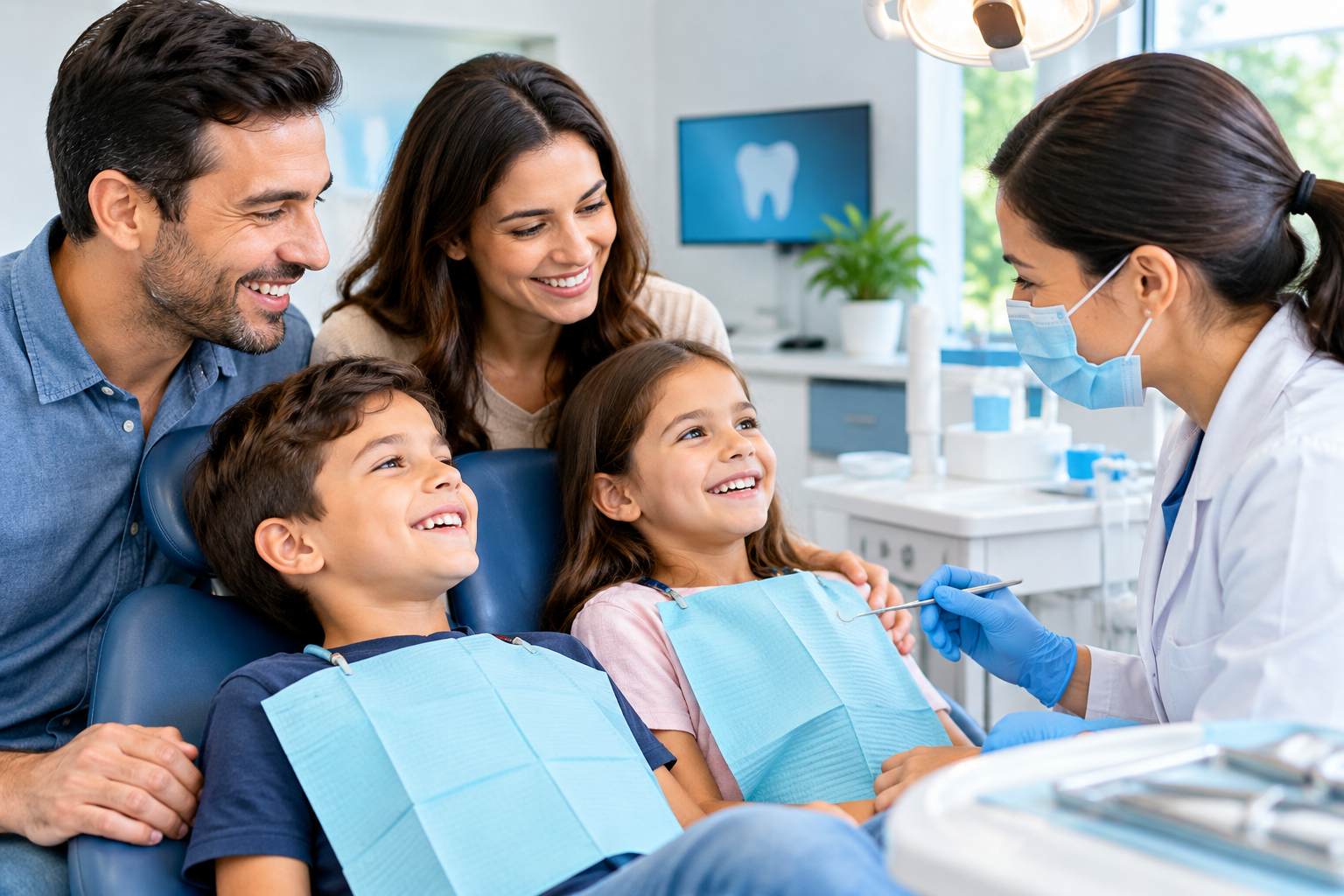
You are probably juggling school forms, work deadlines, grocery runs, and one child who says their tooth hurts right before bedtime. Dental care can slip down the list until something feels urgent. That is usually when stress shows up, because pain, missed school, missed work, and surprise costs tend to arrive together. A trusted Clermont dentist helps prevent that spiral. The value is simple. One dental home can support children, teens, adults, and older relatives with steady care, early treatment, and advice that fits real family life.
Why Family Dentistry Remains Essential For Modern Households comes down to consistency. When one office knows your family history, tracks changes over time, and sees problems early, care gets easier to manage. You spend less time repeating records, less money reacting to avoidable issues, and less energy trying to coordinate separate providers for every age group.
Family dentistry supports every stage of home life
Modern households rarely move at a calm pace. One person needs a cleaning, another needs sealants, someone else grinds their teeth at night, and a grandparent may need help watching for gum disease or denture fit. That mix is exactly why family dental care still matters. It brings routine exams, prevention, and treatment into one ongoing relationship instead of turning oral health into a string of disconnected appointments.
The Centers for Disease Control and Prevention explains that oral health is tied to eating, speaking, smiling, and overall well being. Good dental care is not cosmetic upkeep. It affects daily comfort and health. You can read more from the CDC on oral health. When a household has one dependable place for dental visits, it becomes easier to catch cavities, gum inflammation, bite issues, and habits that can create larger problems later.
Children are a clear example. A small cavity in a baby tooth may not seem urgent when life is busy, but pain can affect sleep, focus, and eating. The CDC also shares practical oral health tips for children that reinforce how early habits shape long term outcomes. A family practice often helps parents stay ahead of those changes because visits are built into the household routine instead of treated like a separate system to manage.
Preventive dental care lowers stress and surprise costs
Most families do not avoid the dentist because they do not care. They delay visits because schedules are packed and money feels tight. The problem is that postponing basic care often costs more. Plaque hardens, small cavities deepen, gums bleed more often, and what could have been a simple filling turns into a crown, extraction, or emergency visit.
This is where a family dentist earns their place in a modern household. Regular exams and cleanings create a record over time. If a child’s bite starts shifting, if a teen has enamel wear from sports drinks, or if an adult has early signs of gum disease, those patterns are easier to spot early. MedlinePlus outlines what happens during a dental exam, and the process is less dramatic than many people expect. Most of the value comes from finding concerns before they become painful or expensive.
There is also the emotional side. When children see the same office over the years, the setting becomes familiar. That can reduce fear and resistance. Adults benefit too. Familiar care teams often notice when someone is avoiding treatment because of anxiety, embarrassment, or cost concerns, and that opens the door to practical solutions instead of silence.
Family dentistry makes coordination easier for busy households
Convenience sounds small until you are trying to manage three different providers with three different forms, insurance policies, and appointment calendars. A single practice that treats multiple age groups can reduce that friction. Back to back visits, one set of records, and one team that understands your household pattern can make the difference between staying on schedule and falling behind for another year.
Household dental care also helps when health history matters. If a parent has recurring gum disease, if a child is cavity prone, or if grinding runs in the family, a connected provider can look at risk with more context. That kind of continuity is hard to build when care is split across offices that never share the full picture.
Routine family dental visits outperform wait and see care
| Approach | What it often looks like | Likely result |
|---|---|---|
| Routine family dental visits | Cleanings, exams, fluoride, X rays as needed, habit guidance, early treatment | Problems are found sooner, visits stay more predictable, costs are easier to manage |
| Wait and see care | Appointments only when pain, swelling, or visible damage appears | More urgent treatment, more missed school or work, higher chance of larger bills |
| Separate providers for each age group | Different offices, records, schedules, and treatment plans | Care may still be good, but coordination takes more time and details can get missed |
The difference is not just clinical. It affects how a home runs. Preventive care tends to protect time, money, and peace of mind in ways people do not always notice until they lose them.
Small steps make family oral health easier to manage
Set one shared schedule. Put everyone’s checkups on the calendar at the same time each year. If the office allows grouped appointments, use them. Fewer separate reminders usually means fewer missed visits.
Track habits, not just pain. Bleeding gums, mouth breathing, thumb sucking, grinding, and frequent sugary drinks all matter. You do not need to diagnose anything at home. Just notice patterns and bring them up during visits.
Use one dental home for continuity. A consistent provider can compare changes over time, explain treatment clearly, and help each family member stay on a realistic care plan. That is often what keeps minor issues from turning into major ones.
Family dentistry remains a practical anchor for modern households
Life is busy, and oral health is easy to postpone until the problem becomes impossible to ignore. That delay usually brings more stress, more disruption, and more cost than families expected. A steady relationship with a family dentist gives your household structure, prevention, and a better chance of catching problems early. If dental care has slipped off track, now is a good time to schedule the next visit and rebuild a routine that works for everyone at home.
