

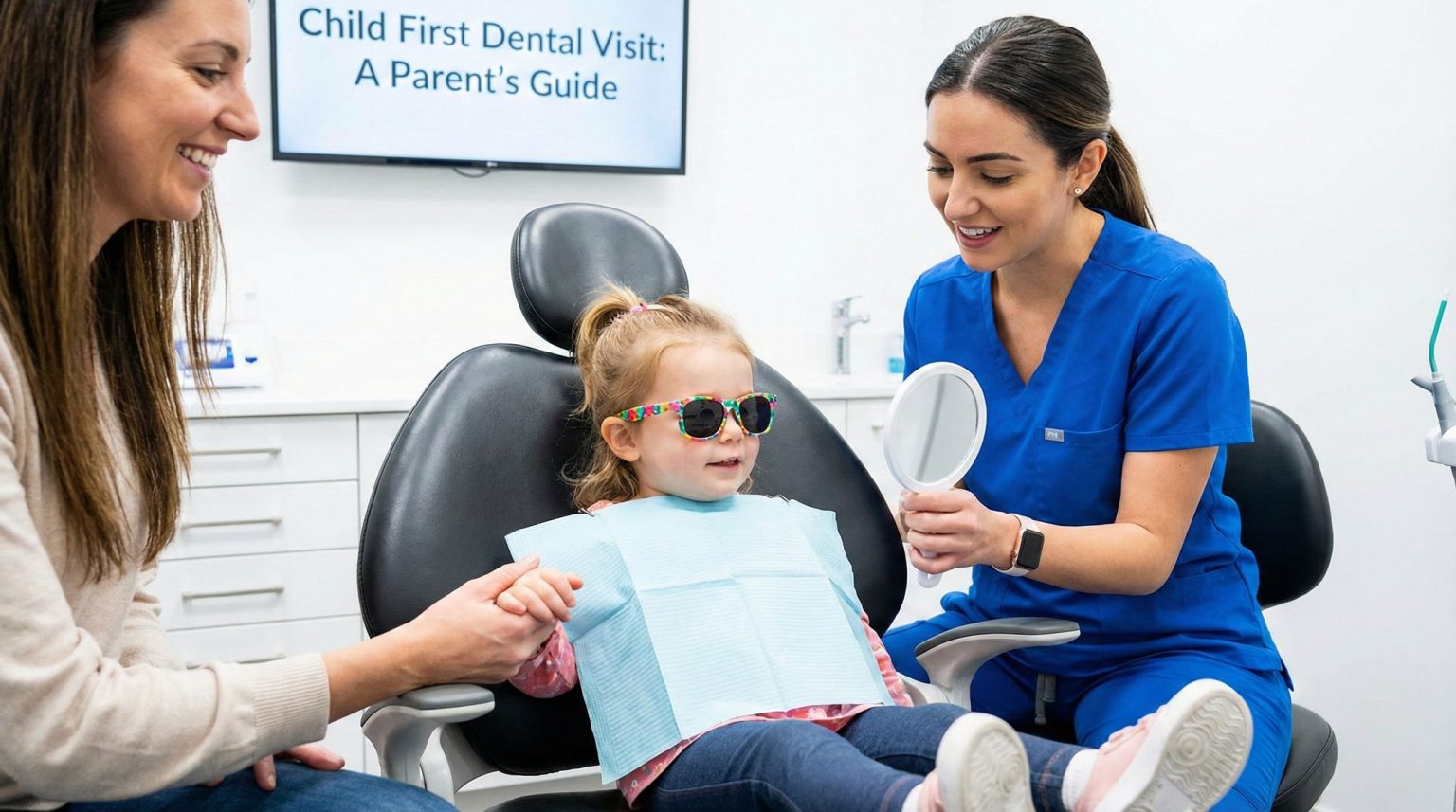
Your child’s first dental appointment sets the tone for years of healthy habits. With a little planning, that first visit can feel calm, informative, and even fun. This guide walks you through when to schedule the appointment, how to prepare, what to expect in the chair, and how to choose a dentist who communicates well with both kids and parents. You will also find simple prevention strategies—because the best dental treatment is the one your child never needs. Whether you are new to town, new to parenting, or both, a clear plan can make pediatric dental care straightforward and stress-free.
When to Schedule and Why It Matters
Pediatric and dental organizations generally advise booking the first visit by age one or within six months of the first tooth erupting. Early checkups allow a dentist to spot small issues before they become big problems and to coach families on brushing, fluoride use, and feeding habits. If you live in a large metro area, access is rarely the issue—choosing the right fit is. Searching for a Denver pediatric dentist can help you compare options that focus on infants, toddlers, and school‑age children, including practices that accommodate busy family schedules.
How to Prepare Your Child (and Yourself)
Kids tend to take their cues from the adults around them. Keep your language positive and simple: “The dentist will count your teeth and show you how to keep them strong.” Avoid words that can sound scary, like “shots” or “drills,” even if they are unlikely to come up. Reading a picture book about visiting the dentist, watching a short kid-friendly video, or doing a pretend “tooth counting” game at home can make the real visit feel familiar. If possible, schedule the appointment at a time of day when your child is usually well‑rested and not hungry.
On the practical side, bring your child’s medical history, a list of medications and allergies, and any questions you want to remember. Pack comfort items like a favorite small toy or blanket. If your child has sensory sensitivities, call ahead to discuss accommodations such as dimmer lights, quieter rooms, or extra time to “tell–show–do” (a common technique where the dental team explains and demonstrates each step before doing it). If you’re anxious yourself, try not to overshare that worry—your calm presence is often the best support.
What Happens During the First Visit
The first appointment is mostly about prevention and comfort. Expect a gentle exam to check teeth, gums, bite, and oral development. For toddlers, some dentists use a “knee‑to‑knee” position, where your child sits on your lap facing you and then leans back onto the dentist’s knees for a quick look. A brief cleaning may be done, often followed by fluoride varnish to strengthen enamel. X‑rays are not typically routine for very young children unless there is a specific concern, such as suspected decay or injury.
Your dentist will review brushing technique, toothpaste amounts (a smear the size of a grain of rice for toddlers; a pea‑sized dab for kids who can reliably spit), flossing once teeth touch, and diet patterns that raise cavity risk—like frequent sipping of juice or grazing on sticky snacks. This is your chance to ask practical questions: What should we change about our brushing routine? Is tap water in our area a good source of fluoride? How can we reduce nighttime milk or juice? What’s the plan if a toothache happens on a weekend?
Prevention That Pays Off
Consistency beats perfection. Aim to brush twice daily with fluoride toothpaste and use small, gentle circles along the gumline. Many kids do well with powered brushes because the vibration does some of the work. Floss those tight contacts where sticky foods love to hide. Offer water—especially between meals—and treat juice, sports drinks, and sugary snacks as occasional treats rather than daily staples. Cheese, crunchy veggies, and nuts (when age‑appropriate) are mouth‑friendly options.
Fluoride helps harden enamel and prevent early decay; your dentist can advise on toothpaste amounts and whether fluoride varnish during checkups is a good match for your child’s risk level. As permanent molars arrive—often around early grade school—ask about sealants, a thin protective coating placed on the grooved chewing surfaces to make them easier to keep clean. If your child plays contact sports, a well‑fitted mouthguard can reduce the risk of dental injuries. For dental emergencies, a simple rule is helpful: call your dentist first, describe the situation, and follow their guidance. If a permanent tooth is fully knocked out, time matters—placing it back in the socket or storing it in cold milk while seeking urgent care can make a difference. For baby teeth, do not reinsert; call for instructions instead.
Choosing a Pediatric Dentist Who Fits Your Family
Look for a dentist with specialized training and a practice that feels welcoming to children. Consider how the team communicates, whether they explain in kid‑friendly terms, and how they respond to your questions. Families who need accommodations—for autism spectrum conditions, ADHD, medical complexities, or strong gag reflexes—should ask what supports are available. Ask about after‑hours advice for urgent issues, typical wait times, and how the office approaches behavior guidance, from “tell–show–do” to distraction techniques.
Location and logistics also matter: Is parking easy? Are early morning or after‑school appointments available? Many cities have several pediatric options, from small neighborhood practices to larger multi‑provider offices. In Denver, for example, families may explore local pediatric practices such as Kids Smiles Dentistry alongside other providers to find the right fit. Reading current reviews, visiting the office in person, and trusting your child’s comfort level can help you make a confident choice.
A strong start with pediatric dental care is less about perfection and more about patterns. Schedule that first visit early, keep daily routines simple and consistent, and choose a provider who helps your child feel safe and seen. Over time, those small choices add up to fewer surprises and healthier smiles. If you have been putting off the appointment, consider this your nudge—book a time that works for your family, jot down your questions, and bring your child’s favorite comfort item. With the right preparation and team, the first visit can be an easy win for everyone.
