

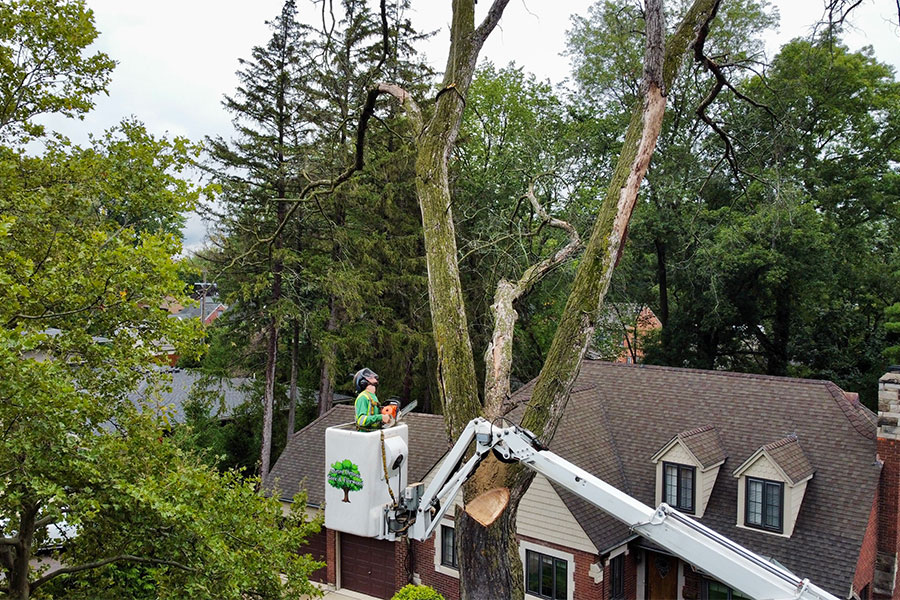
Trees add shade, privacy, and character to a property, but they can also pose real risks when they’re stressed, diseased, or structurally unsound. Many problems build quietly over time, and the earlier you notice them, the easier—and safer—they are to address. Whether you live in a windy region, get heavy snow, or simply want peace of mind during summer storm season, learning to recognize warning signs can help you make better decisions about pruning, support, or removal. This guide explains what to look for from the ground, which factors raise risk, what you can handle yourself, and when it’s time to bring in a professional.
Why Paying Attention to Tree Risk Matters
Tree failures rarely happen without clues. Dead limbs dry out and break more easily, weak branch attachments split under load, and hidden root damage compromises stability. A little time spent observing your trees—especially after strong wind, heavy rain, or early spring thaws—can uncover issues before they become emergencies. Think of this as preventive maintenance: you’re not trying to diagnose complex diseases, just scanning for red flags that suggest a closer look or timely care.
If you’re unsure how tree professionals assess risk or coordinate safe work around homes and utilities, you can learn more about Tree Care Enterprises to better understand typical qualifications, safety culture, and the kind of services crews perform day to day.
Common Warning Signs You Can See From the Ground
Start with the canopy. Large dead branches (often pale, leafless, and brittle) are the most obvious hazard, especially if they hang over driveways, roofs, or play areas. Look for clumps of dead twigs at the tips of branches, unusually sparse foliage compared with past years, or leaves that brown and cling well into the season—all potential signs of dieback or disease. Branches that rub together can create fresh wounds that invite decay; if you notice shiny, bark-free “wear spots,” note those locations for attention.
Next, scan the trunk and branch unions. Vertical cracks, oozing sap, or cavities may indicate internal decay. Bark that’s bulging around a branch attachment can signal a weak union. Mushrooms or conks at the base or on the trunk often point to wood decay fungi. On multi-stemmed trees, narrow V-shaped crotches are more likely to split than wide U-shaped ones. Finally, inspect the root zone. Exposed, heaving roots, soil mounding on one side of the trunk, or a lean that appears recent (freshly upturned soil, newly exposed roots) can indicate compromised anchoring.
Site and Species Factors That Change the Risk
Not all trees tolerate sites the same way. Species known for brittle wood or rapid growth often shed limbs more readily than slower-growing, dense-wood trees. Shallow-rooted species are more vulnerable in saturated soils or high winds. A tree that once grew in a dense stand may have developed a tall, narrow form; when neighboring trees are removed, the remaining one suddenly takes the full brunt of wind and sun, raising stress and the chance of failure.
Site disturbance matters, too. Recent construction, trenching for utilities, or grade changes can sever roots, bury the root flare, or compact the soil. Even parking regularly over roots reduces air and water movement, weakening a tree over time. Look beyond the tree itself: overhead power lines, nearby roofs and decks, and frequent foot traffic all change what level of risk is acceptable. A moderate defect on a tree over open lawn might be tolerable; the same defect over a bedroom roof demands faster action.
What Homeowners Can Safely Do Themselves
Simple, low-risk tasks can make a difference. Remove small dead twigs and minor hanging debris you can reach safely from the ground using a pole pruner, staying well clear of overhead lines. Keep mulch off the trunk and limit it to a shallow, wide ring that protects roots and retains moisture without causing rot. Water young or drought-stressed trees deeply but infrequently, encouraging stronger roots. Avoid “volcano mulching,” weed-trimmer damage to bark, and piling soil over the root flare—these common mistakes create long-term problems.
Document what you see. Take dated photos of cracks, mushrooms, or canopy thinning so you can compare across seasons. After major storms, walk the property to spot new hanging branches or changes in lean. If you decide to prune beyond minor deadwood, resist the urge to top a tree; topping creates weak, fast-growing sprouts and increases future breakage. For any work off the ground, near utilities, or involving chainsaws, it’s safer to call a professional crew with the right training and gear.
When to Call a Professional—and What to Expect
Bring in an arborist when you notice large dead limbs, mushrooms on the trunk or at the base, recent changes in lean, cracks in major limbs, or damage from lightning or vehicles. Also seek help when trees are near power lines, buildings, or shared property lines where failure could cause injury or disputes. A professional assessment typically starts with a visual inspection. Depending on findings, they may recommend selective pruning to reduce end weight, cabling or bracing to support weak unions, soil improvements to help root health, or, in some cases, removal to eliminate unacceptable risk.
Good risk management balances safety, tree value, and site realities. Ask about the goals of any recommended work—reducing likelihood of failure, protecting a structure, improving clearance, or restoring health—and how the plan addresses each. Clarify staging for debris, access routes to avoid root damage, and clean cuts that respect branch collars. With a clear plan and regular monitoring, most trees can be managed for both beauty and safety across many seasons.
Healthy trees are an asset, but they do require attention. By learning the most common warning signs, watching how site conditions affect stability, and handling only the tasks that are truly safe from the ground, you reduce the chance of surprise failures. For anything complex or risky, an experienced crew can evaluate the trade-offs and recommend targeted care. A few mindful walkthroughs each year—especially after storms and before peak leaf-out—can keep your trees safer, your property protected, and your shade-giving giants thriving.
