

Staying comfortable in a coastal climate means your air conditioner works hard almost year-round. High humidity, salt-laden air, and sudden storms add stress to every component, from coils to capacitors. Catching small issues early can prevent bigger breakdowns and help your system cool and dehumidify more efficiently. This article explains why coastal environments challenge AC systems. These early warning signs signal something’s wrong, simple checks you can safely do, maintenance habits that pay off, and how to decide between repair and replacement. Whether you’re a first-time homeowner or have weathered many summers, these practical steps can help you make informed, confident decisions.
- Why Humidity and Salt Air Are Tough on Cooling Systems
Moist, salty air accelerates corrosion on outdoor units, especially on coil fins and electrical connections. As corrosion builds, heat transfer suffers, and the system has to run longer to achieve the same result. At the same time, persistent humidity forces your AC to remove more moisture from indoor air, increasing runtime and wear on the compressor and blower. That added workload can expose weak components faster than in drier climates. Wind-driven debris and fine sand can also lodge in the outdoor coil and fan, restricting airflow. Indoors, a constantly damp condensate drain is more likely to develop algae or sludge, which can trip a safety switch and shut the system down. Understanding these coastal stressors helps explain why proactive upkeep matters and why small symptoms shouldn’t be ignored.
- Early Warning Signs You Shouldn’t Ignore
Subtle changes often appear before a failure. Listen for new sounds like rattling, buzzing, or a high-pitched whine. Notice if the system short cycles, turning on and off rapidly, or if rooms feel clammy even when the thermostat reading looks fine. Watch for weak airflow at supply vents, hot and cold spots, or air that doesn’t feel as cool as it used to. A sudden jump in your electric bill, persistent thermostat inconsistencies, or musty odors near vents can also point to underlying problems.
Outside, icing on the refrigerant line or the outdoor coil signals restricted airflow, a dirty filter, or low refrigerant. Inside, water around the air handler may indicate a clogged condensate line. Homeowners searching for phrases like AC repair in Vero Beach are often responding to one or more of these warning signs. Treating them early generally costs less than waiting for a complete breakdown in peak heat.
- Simple Checks You Can Do Before Calling a Pro
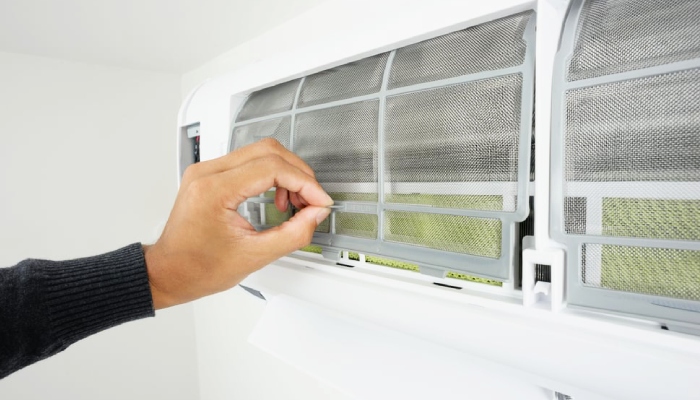
Start with the air filter. In humid, salty environments, filters can load up quickly. Replace or clean them as needed. Next, confirm the thermostat is set to cool and that the batteries, if present, aren’t depleted. Make sure supply vents are open and not blocked by furniture or rugs. Step outside and clear leaves, grass clippings, and sand from around the condenser. Maintain at least two feet of open space for airflow.
Inspect the condensate drain line near the indoor unit. If you see standing water or an overflow switch tripped, a clog may be the cause. Some homeowners flush the line with a small amount of distilled white vinegar to discourage algae growth. Always follow manufacturer guidance and avoid harsh chemicals. Finally, check the breaker panel to ensure the AC circuit hasn’t tripped. If ice is present on the refrigerant line, turn the system off at the thermostat and run the fan only to help thaw before a technician visit.
- Maintenance Habits That Extend System Life
Consistent upkeep is the best defence against coastal wear. Replace filters regularly, monthly during heavy use if conditions are dusty or humid. Keep the outdoor unit clean by gently rinsing the coil fins with a garden hose from the inside out after the power is off. Avoid high pressure that can bend fins. Trim vegetation, remove salt residue periodically, and ensure the condenser sits level so oil returns properly to the compressor.
Inside, have a professional clean the evaporator coil and check the condensate system to prevent clogs. Annual or semiannual tune-ups can catch small electrical issues, verify refrigerant charge, and test system performance under real-world conditions. Managing indoor humidity with sensible thermostat settings and adequate ventilation also reduces strain. When storms approach, secure outdoor covers and clear loose items that could strike the unit; after severe weather, give the system a quick visual check before restarting.
- When Repair Makes Sense and When Replacement Is Smarter
Not every issue requires a major fix. Thermostat problems, minor electrical faults, clogged drains, and dirty coils are often repairable. However, age, frequency of breakdowns, and efficiency should guide your decision. As systems near the end of their expected service life, repeated repairs can approach the cost of a newer, more efficient unit. A common rule of thumb is that if a needed repair approaches a significant share of the price of a comparable replacement, especially on an older system, replacement may be the more cost-effective path.
Consider comfort and humidity control as well as cooling. If your system struggles to maintain a comfortable, dry indoor environment even after maintenance, the technology or capacity may not suit current needs. Finally, keep refrigerant availability in mind. Sourcing certain refrigerants for older units can be difficult and expensive. A trusted technician can evaluate performance, discuss options, and help you compare lifecycle costs.
Building a Plan for Reliable Cooling Through the Hottest Months
Coastal heat and humidity don’t leave much margin for error, so the smartest strategy is a simple one: act early and maintain consistently. Pay attention to small shifts in comfort, sound, and energy use. Handle basic checks right away and schedule professional service before peak season so you’re not waiting during a heat wave. With a clean filter, clear airflow, and routine tune-ups, most systems deliver steadier temperatures, better humidity control, and fewer surprise breakdowns. When significant repairs arise, weigh age, performance, and cost to choose the path that fits your home and budget. A little foresight now can mean a far cooler, calmer summer.
