

The MOT is a safety and emissions inspection required for most cars in the United Kingdom. While many test items depend on workshop equipment, dozens of simple issues cause avoidable failures or delays every day. A brake light that is out, a worn wiper blade that streaks the windscreen, an empty washer bottle, or a number plate that cannot be read quickly can turn a short appointment into a reschedule. This practical, two-week plan focuses on the checks you can influence before test day. It is written for everyday drivers, not technicians, and aims to help you minimise disruptions, cut repeat visits, and arrive with a car ready for inspection.
- What the MOT Checks That You Can Influence
Plenty of MOT items are firmly in driver territory: exterior lighting, including headlamps, brake lights, indicators, daytime running lights, and plate lights, visibility, including windscreen condition, washer jets, and wiper blades, tires, including tread and condition, mirrors, horn, seat belts and buckles, warning lamps on the instrument cluster, and the cleanliness and legibility of the registration plate. If you are unsure about practical details such as drop-off timing or parking, confirm them with the garage’s Stafford office ahead of time so the day stays straightforward.
Some items are harder to influence directly but still benefit from preparation. Technicians check headlamp aim, brake performance, and emissions with equipment. Yet, small steps help: keep the fuel cap sealing properly, fix any obvious exhaust leaks, and arrive with the engine fully warm so the catalytic converter is at operating temperature. If a malfunction indicator, ABS, airbag, or tire pressure light is lit, it can cause a fail on many vehicles, so investigate those warnings well before the booking rather than hoping they clear themselves.
- Two Weeks Out: Review Advisories and Set a Fix List
Start by pulling last year’s MOT advisories or your most recent service notes. Turn those into a short checklist: a pair of wiper blades, a license plate bulb, a cracked mirror, or a tire showing edge wear are all realistic DIY or early-booking items. Decide whether to schedule a quick precheck or order parts yourself. The trade-off is time versus certainty: a brief technician inspection may cost a little more up front but can prevent a failed test and a second trip; doing it yourself saves money but requires a more thorough home check and time to source parts.
Gather simple tools: a tire tread gauge, a tire inflator, screenwash concentrate, glass cleaner, and a basic OBD code reader. If you have a small chip in the swept area of the windscreen, arrange a repair now rather than gambling that it will be overlooked. A weak battery can trigger spurious warning lights, so if cold starts have been slow or interior lights dim when cranking, get the battery tested early enough to replace it before your appointment.
- Three Days Out: DIY Checks That Catch Simple Failures
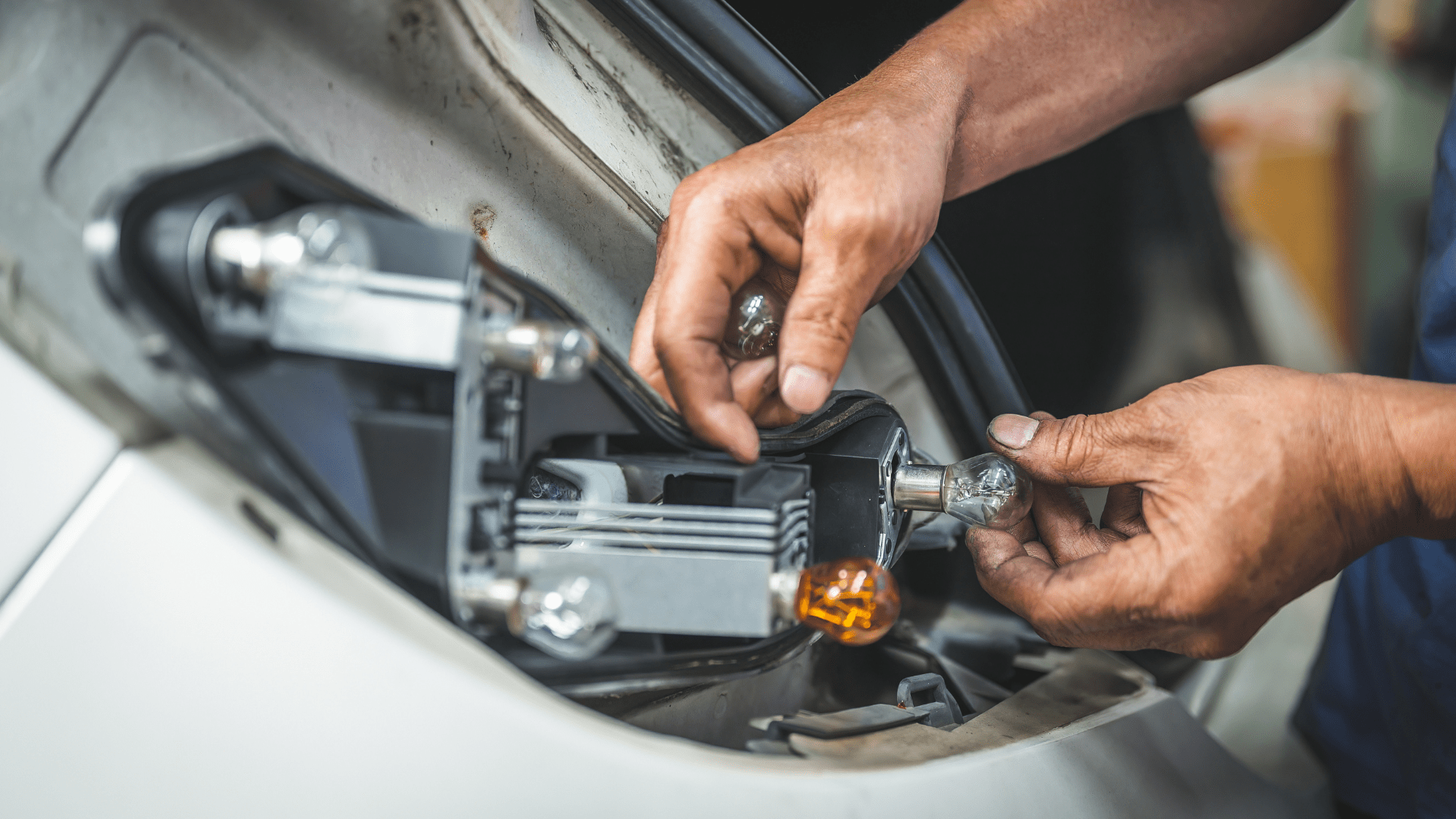
Run a lighting check with a helper, or back up to a wall at dusk. Verify dipped and main beams, indicators, hazard flashers, brake lights, tail lamps, fog lights, and the number plate light. Replace any suspect bulbs in pairs when practical to avoid mismatched brightness. Clean cloudy lenses and the plate itself so characters are legible at a glance. Top up the washer bottle with proper screenwash, ensure jets spray evenly, and fit fresh wiper blades if the sweep leaves smears. Press the horn to confirm it sounds promptly and consistently.
Set tire pressures to the placard in the driver’s door jamb, then inspect sidewalls for cuts or bulges and the tread for embedded stones, cords, or uneven wear. Look for loose wheel trims that could work free during the roller test and remove them if they are not secure. Inside the cabin, check each seat belt for frayed webbing and verify that it latches, retracts, and locks under a sharp tug. Make sure doors open from inside and out, mirrors are secure, and the handbrake (also called the parking brake) holds firmly without excessive travel. Family haulers often arrive cluttered; clear the footwells so the tester can operate pedals safely and, if child seats block access to belts the tester needs to check, make them easy to remove.
- Test Day: Keep the Car Warm and the Paperwork Ready
On the morning of the test, take a sustained drive so the engine oil and catalytic converter reach operating temperature. A warm engine can help stabilize idle and emissions compared with a cold start followed by a short hop. Avoid clearing fault codes right before arrival; some systems need a drive cycle to set readiness monitors, and the light may return immediately after you reset it during testing. Bring the locking wheel nut if your car has one, along with any key cards or fobs needed to operate features like the parking brake or ignition.
Do a last-minute visibility check: remove parking permits or air fresheners that hang within the wiper-swept area, clean the inside of the glass to reduce glare, and wipe the registration plates. Secure loose cargo and mats so nothing interferes with pedals or the handbrake. Aim to arrive a little early to reduce stress and to allow the tester to start on time. If you need help with drop-off instructions or waiting arrangements, call ahead rather than improvising at the entrance.
After the MOT: Turn Advisories Into a Maintenance Schedule
If the car passes with advisories, treat them as a to-do list, not a footnote. Categorize them: safety items such as play in a suspension ball joint or a brake hose starting to crack should be booked promptly; wear-and-tear notes like a slightly worn tire shoulder or a misting shock absorber deserve a calendar reminder and a quick recheck in a few months. Addressing mild suspension wear sooner can prevent uneven tire wear, and keeping the battery and charging system healthy can reduce nuisance dashboard lights.
File the certificate and advisories in your glovebox and add a digital reminder for a midyear check. The same plan you used to prepare also makes a solid routine: monthly light checks, topping up screenwash, and a quick tire pressure and tread review. Turning advisories into scheduled actions keeps the next test predictable and, more importantly, keeps the car safer and nicer to drive every day.
Preparing for the MOT is less about luck and more about tackling the things you can control. By reviewing old advisories, handling easy fixes early, doing targeted checks a few days before, and arriving with a warm engine and clear view ahead, you lower the odds of a preventable fail. Even if your car is well maintained, this simple rhythm saves return trips and helps you spot developing issues while they are still affordable to correct. The result is a smoother test day and a car that feels cared for all year.
