

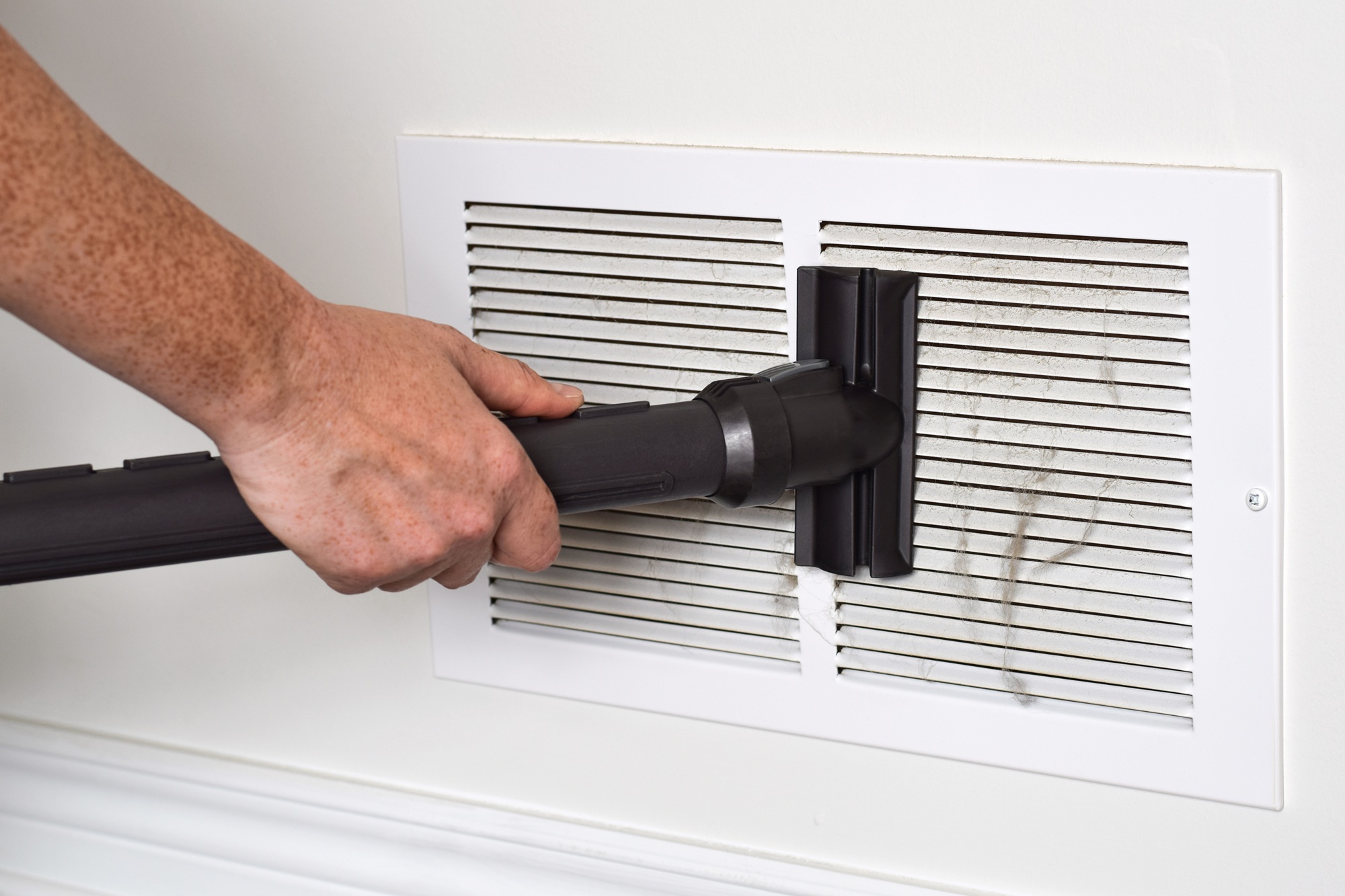
Dusty supply registers, a musty smell when the blower starts, and thin airflow in far rooms all feel like duct problems, but not every symptom points to debris inside the ducts. Sometimes the filter rack is leaking unfiltered return air. Other times, a matted evaporator coil or a dirty blower wheel throttles airflow. This guide helps Auburn homeowners separate duct contamination from look-alike HVAC issues, understand what technicians actually test before recommending service, and know what to expect if cleaning is warranted. Start with specific signs, then match them to the component most likely to be responsible.
- Signs That Point to Duct Contamination vs. Other HVAC Issues
Many homeowners who search for air duct cleaning in Auburn do so after seeing gray puffs from supply registers when the system kicks on or finding matted dust on register vanes. Those can indicate debris in branch runs or the supply trunk. Dark “filtration lines” along carpet edges can also hint at return leaks pulling air from wall cavities. By contrast, low airflow at distant rooms often traces back to a clogged evaporator coil or a blower wheel caked with lint, not a blockage inside ducts. A musty odor right at startup can come from a wet drain pan or microbial film on the coil, not the metal or flex duct itself.
Two quick checks can refine the picture. First, remove a supply register cover and look for visible deposits just inside the boot; surface fuzz on the grille alone often comes from room dust, not internal buildup. Second, listen for whistling at the filter slot or feel for air movement around the filter door with the fan running. If air bypasses the filter through gaps in the return plenum or rack, more dust circulates through the system and lands on furniture, mimicking a dirty duct problem.
- Common Sources: Filter Bypass, Return Leaks, and Dirty Coils
Filter bypass is a frequent culprit. An undersized, bowed, or loosely seated filter lets return air sneak around its edges. That unfiltered air carries fibers and fine particles into the blower housing and supply plenum, where they can redeposit on nearby registers. A tight-fitting filter, a proper rack with a door, and a cover sealing the filter slot reduce bypass. Technicians often use UL 181 foil tape or mastic to close small cabinet gaps so all return air actually passes through the media.
Return side duct leaks are another dust driver. Holes in a crawlspace return or a leaky return plenum can pull attic insulation fibers, soil, or pet odors straight into the system. On the supply side, leaks push conditioned air into wall cavities, increasing infiltration through gaps elsewhere. After renovations, drywall dust can load the evaporator coil and line the blower wheel, restricting airflow and shedding fine powder back into rooms. If a condensate drain pan grows algae, the first few minutes of a cooling cycle may carry a stale odor even when the ducts themselves are clean.
- How Pros Evaluate an HVAC System Before Any Cleaning
A thorough evaluation starts with a visual inspection. Pros remove a few supply registers, check the boot and nearby branch run with a flashlight or borescope, and look inside the supply and return trunks at access panels. They note whether ducts are internally lined metal, ductboard, or flex, because materials respond differently to agitation. They also check for unusual debris, such as construction remnants or evidence of pests, that requires remediation before cleaning.
Next comes airflow and pressure data. Measuring total external static pressure across the filter and coil with a manometer reveals whether the system is choking at those components. A high pressure drop across the coil points to a dirty coil, not a blocked duct. Pressure pan readings at registers or a duct leakage test can quantify leakage if suspected. Some technicians also compare a clean, snug filter to one that has been in service to spot excessive bypass. These tests prevent the common mistake of treating duct cleaning as a cure-all when the real restriction sits at the coil or blower.
- If Cleaning Is Warranted: Methods, Trade-Offs, and What to Expect
Proper duct cleaning removes the source under containment. A HEPA vacuum or truck-mounted negative-pressure machine connects to the supply or return trunk to draw debris out while each branch is agitated. Agitation tools may be rotary brushes or compressed air whips with skipper balls that sweep dust toward the vacuum. Temporarily seal registers to boost suction. When access panels are cut, close and seal them afterward with UL 181 mastic or approved covers. Skip fragrance fogs or “fresheners”; removing debris at the source works better than masking odors.
There are real trade-offs. Aggressive brushing can damage fragile ductboard or older flex duct, so a soft bristle brush or air wash is safer on delicate interiors. In a tight crawlspace where a truck hose cannot reach, a high-capacity portable HEPA vacuum can maintain adequate negative pressure if sized correctly. Consider two scenarios: after a drywall project, a home with metal trunks and flex branches benefits from gentle agitation plus negative pressure to capture fine gypsum dust; in a 1970s home with internally lined metal duct and a musty startup odor, targeted cleaning plus coil and drain pan maintenance addresses both debris and moisture film without scouring the liner.
Preventing the Next Dust Wave: Filters, Sealing, and Routine Care
Post-cleaning, prevention matters. Use a quality filter that fits tightly in its rack, and check it monthly during heavy use. Higher MERV media can capture smaller particles, but jumping too high can raise static pressure if the blower and ductwork are marginal; a snug, well-sealed MERV 8 to MERV 13 filter, chosen to match your system, usually balances capture and airflow. Seal cabinet and return plenum gaps with mastic or UL 181 foil tape, add a proper filter door or weatherstripping, vacuum return grilles with a brush attachment, and wipe supply registers without pushing dust into the ducts. Schedule coil and blower cleaning when pressure readings or visual inspection show buildup, and keep the condensate drain clear to reduce musty odors.
Not every dusty table means your ducts need attention. Start with symptoms that truly implicate the ductwork, rule out filter bypass, return leaks, and coil or blower restrictions, and make decisions based on inspection and measurements rather than assumptions. If cleaning is justified, expect negative pressure, controlled agitation, and careful resealing of access points. Then protect that investment with a tight filter fit, sealed returns, and routine coil maintenance. Auburn’s pollen bursts and summer humidity can quickly load HVAC systems, but a measured approach keeps air moving, debris contained, and comfort consistent without unnecessary work.
