

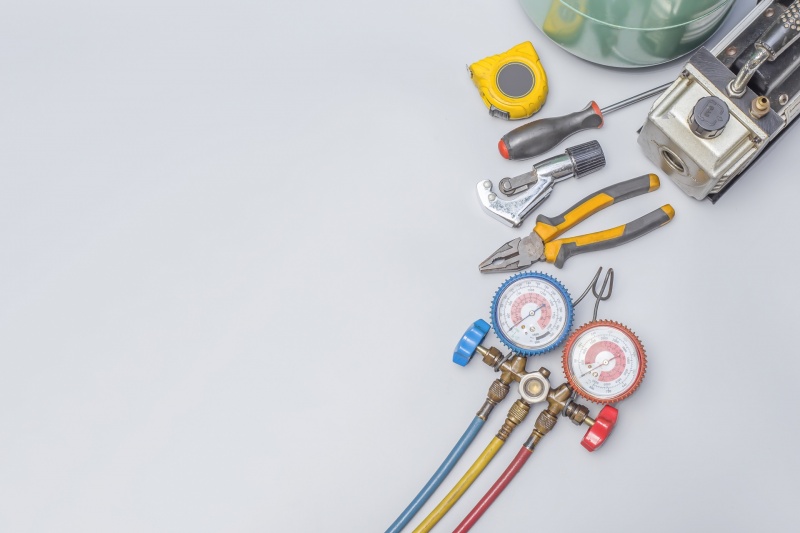
As temperatures climb, an air conditioner has little room for error. Small issues can snowball into a hot house, a soaked ceiling from a condensate overflow, or a damaged compressor. Recognizing symptoms early and knowing a few safe checks can keep a minor airflow or refrigerant problem from becoming a mid-season breakdown. This article focuses on practical, at-home diagnostics: what warm air and weak airflow typically signal, how to handle short cycling and strange noises, what you can safely check in minutes, when to shut the system down, and simple maintenance steps that help your equipment survive Texas heat.
Warm Air, Weak Airflow, or Rooms That Won’t Cool
If supply registers feel lukewarm and the thermostat can’t hit the setpoint, start with airflow. A clogged return filter, a matted blower wheel, or a collapsed section of flex duct can starve the evaporator coil of air. Low airflow lets the coil drop below freezing, and frost often shows up on the large insulated suction line near the air handler. Outdoors, a condenser coil packed with cottonwood fluff or grass clippings raises head pressure, turning cool air tepid. It’s no surprise local homeowners search for resources like air conditioning repair in Caddo Mills when a system suddenly stops keeping up with the heat.
Consider two common scenarios. After mowing, clippings get pulled into the condenser coil fins, the condenser fan motor struggles, and indoor air warms even though the outdoor unit is running. A gentle rinse can help. In another case, closing several supply vents to “force” air elsewhere boosts static pressure and chokes the blower, which can ice the evaporator coil and reduce airflow throughout the house. If you see frost on the suction line, switch cooling off and set the thermostat fan to On to thaw before further evaluation. Persistent icing usually points to airflow restrictions or a refrigerant charge issue that a technician needs to check.
Short Cycling, Odd Noises, and Spiking Energy Bills
Short cycling means the system starts and stops within a few minutes. A failing run capacitor can keep the compressor or condenser fan from staying on, while a dirty condenser coil or blocked return can trigger high-pressure or low-temperature safeties. Oversized equipment also short-cycles, leaving humidity high even if the thermostat shows the right temperature. Sounds matter too: rapid clicking at the outdoor unit may mean a contactor chattering under low voltage; a loud buzz can signal a capacitor on its last legs; a metallic rattle often means a loose panel or a failing fan blade. A sudden energy spike often ties back to high head pressure from a clogged condenser coil or a whistling, overly restrictive high-MERV filter that’s throttling the blower.
Safe Checks a Homeowner Can Perform in 10 Minutes
Start with the air filter. Confirm the correct size and replace it if it’s loaded with dust; an over-restrictive filter with a high MERV rating can be as problematic as a dirty one. Verify the thermostat is set to Cool, the Fan Is on Auto, and the batteries, if used, are fresh. At the electrical panel, you can reset a tripped AC breaker once; repeated trips point to an electrical fault that needs a professional. Outside, clear 18 to 24 inches around the condenser and gently rinse debris from the coil fins using a garden hose from top to bottom. Don’t use a pressure washer, which can fold fins and reduce heat transfer.
Check the condensate system. If you see water in the secondary drain pan under the air handler or a float switch is tripped, leave the system off to avoid overflow. If your drain has a cleanout, pouring a small cup of white vinegar can help dissolve algae. If the evaporator coil is iced, switch the thermostat to Fan Only and let it thaw for several hours. Using the compressor while the coil is frozen risks liquid floodback to the compressor. Once melted, replace the filter if dirty and verify all return grilles and key supply vents are open before restarting cooling.
When to Shut It Down and Call a Technician
Power the system off and call a technician if you find ice on the suction line or indoor coil, if a breaker trips more than once, if you smell electrical burning, or if water pools around the air handler. Also shut down if the outdoor unit is silent while the indoor blower runs continuously, or the condenser runs, but the indoor blower never starts. Running on low refrigerant or with severe airflow restrictions can overheat and damage a compressor. Repeated electrical faults can pit a contactor or cook a motor winding. It’s better to lose a few hours of cooling than a compressor. Avoid “topping off” refrigerant without a leak check; it treats the symptom, not the cause.
Prevent Problems in Peak Season With Simple Maintenance
Replace filters every 30 to 90 days based on dust, pets, and filter type, and vacuum return grilles to keep lint away from the blower wheel. Keep shrubs two feet from the condenser and rinse the coil after pollen and mowing seasons. A spring tune-up should verify refrigerant charge, including superheat and subcooling; test capacitor microfarads; inspect the contactor for pitting; tighten electrical connections; measure total external static pressure; clean the evaporator coil if needed; and flush the condensate drain. Sealing leaky return ducts reduces dust and lowers static pressure, and adequate attic insulation reduces the cooling load. Picture a weekend home that stays empty for weeks: a simple drain flush can prevent a float switch from shutting cooling down just before you arrive.
Recognizing symptoms early, performing safe checks, and knowing when to shut the system down can keep a minor airflow glitch or small leak from becoming a midsummer compressor failure. Keep notes on what you observe, such as the filter change date, whether the suction line was frosty, or whether a breaker tripped. Share those details with a qualified technician to speed diagnostics. In Texas heat, a methodical approach protects critical components like the compressor, blower motor, and condenser fan, shortens downtime, and helps your air conditioner deliver the steady, dry, cool air your home needs.
