

Living near the coast comes with sunshine, ocean breezes, and if your air conditioner isn’t happy sticky, sleepless nights. Homes in beach communities face unique HVAC challenges that inland systems rarely see. Salt-laden air speeds up corrosion, coastal humidity pushes equipment harder, and fine sand can infiltrate components. Whether your AC won’t keep up on hot afternoons or you hear new noises from the outdoor unit, understanding how the coastal environment affects performance helps you respond quickly, prevent bigger problems, and stay comfortable through the hottest months.
If your AC struggles despite a clean filter and reasonable thermostat settings, don’t wait for a full breakdown. Early intervention limits damage from salt exposure and humidity. For many homeowners, booking Professional air conditioning repair in Oceanside can stop minor issues like corroded contactors or clogged condensate lines from turning into costly replacements. A trained technician can also recommend protective measures tailored to coastal conditions, extending the life of your system.
Why Coastal Conditions Are Tough on Air Conditioners
Salt in the air acts like an accelerant for corrosion. Over time, it can pit the aluminum fins around your outdoor coil, making them less effective at releasing heat. Corroded fins reduce airflow and heat transfer, forcing the compressor to work longer to cool your home. The result is higher energy use, slower cooling, and more wear on critical parts.
Humidity adds another layer of stress. Your AC must remove moisture as well as heat. When humidity rises, the system runs longer cycles to wring out water, which can overwhelm a marginal condensate drain or a weak blower motor. Heat combined with moisture also strains capacitors the small components that help motors start and run smoothly leading to hard starts or sudden failures.
Early Warning Signs You Shouldn’t Ignore
Because corrosion and moisture damage build gradually, small symptoms offer valuable clues: Warm air or uneven cooling: If vents blow lukewarm air or certain rooms never cool, your outdoor coil may be dirty or damaged, or refrigerant levels may be low due to a leak. Short cycling: Frequent on-off cycling can point to restricted airflow, a failing capacitor, or a thermostat problem. Unusual noises: Buzzing, humming, or rattling could indicate electrical issues, loose fasteners, or fan problems exacerbated by salt corrosion. Rising humidity indoors: If rooms feel clammy even when the AC runs, the system may be oversized, have airflow issues, or be struggling with a clogged drain. Higher energy bills: A gradual climb often signals declining efficiency from dirty coils, reduced airflow, or failing components.
DIY Checks You Can Safely Try First
While many problems require a pro, a few low-risk steps can restore performance or provide helpful information for a technician:
Change or wash the filter: A clogged filter suffocates airflow. Replace disposable filters or wash reusable ones every one to three months monthly is smart in coastal areas or if you have pets. Clear debris around the outdoor unit: Gently remove leaves and sand, keeping two feet of clearance for airflow. Avoid spraying a strong hose stream directly into the fins; if needed, use a soft brush and a light rinse from the inside out after shutting off power at the disconnect. Check the thermostat and settings: Make sure it’s set to cool, fan on auto, and temperatures are realistic. Replace batteries if it’s battery-powered. Inspect the breaker and shutoff: If the unit won’t start, verify the breaker is on and the outdoor disconnect is fully inserted. Look for a clogged condensate drain: If you see water around the indoor unit or the system shuts off intermittently, a blocked drain may be tripping a safety switch. A wet/dry vacuum on the outside drain line can sometimes clear algae. Smell or visible frost: A sharp chemical smell, oily residue near connections, or ice on refrigerant lines are signs to stop DIY efforts and call a pro.
When to Call a Technician and What to Expect
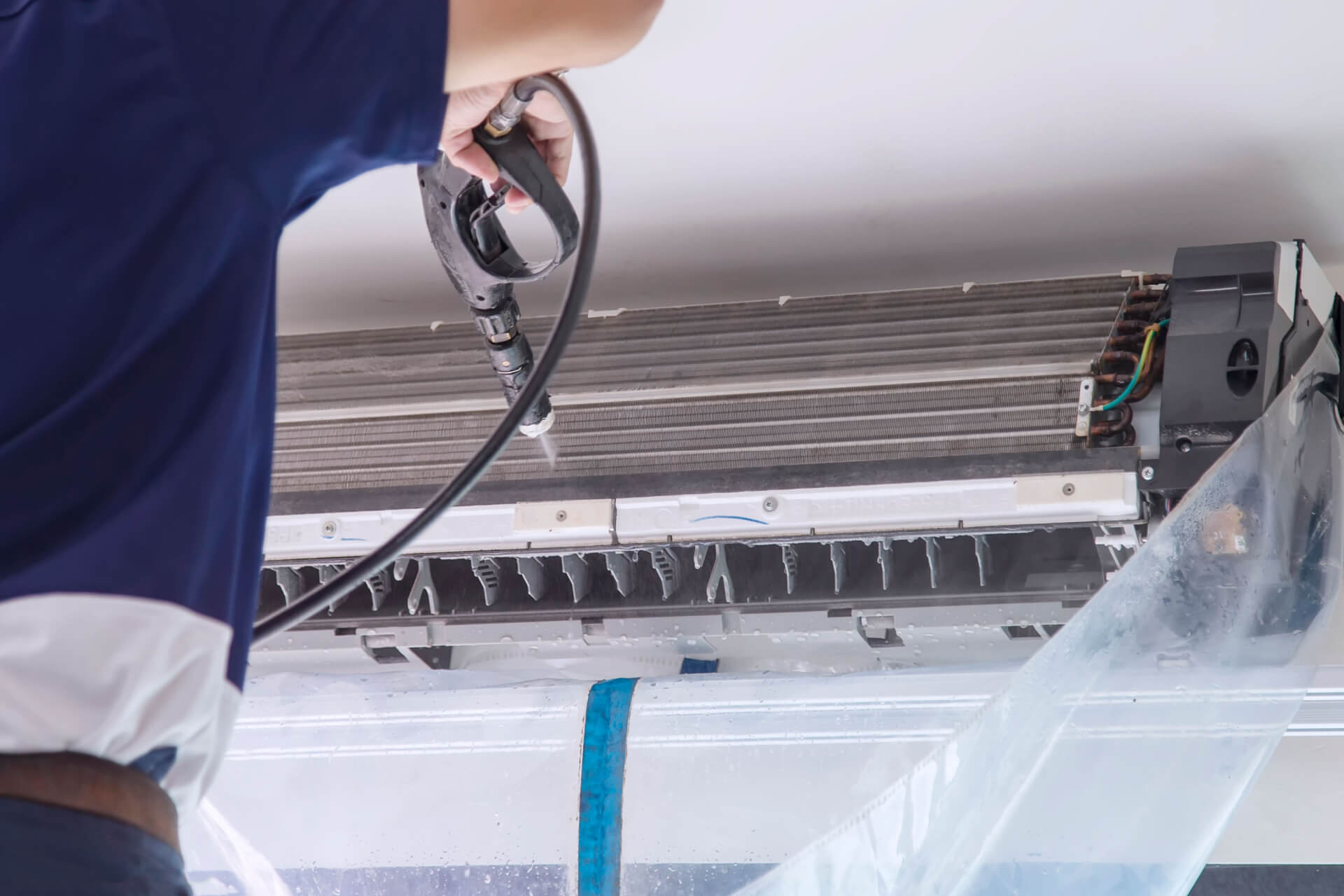
Call a licensed technician for electrical issues, refrigerant leaks, persistent airflow problems, repeated tripped breakers, or anything you’re not comfortable tackling. Coastal systems benefit from inspections that specifically look for corrosion on coils, contactors, and fan assemblies. A thorough visit typically includes testing capacitors and motors, checking refrigerant pressure and superheat/subcool values, cleaning the evaporator and condenser coils, clearing and treating the condensate drain, and confirming thermostat calibration and system airflow.
In beach communities, ask about corrosion-resistant upgrades such as coated coils, stainless hardware, UV-resistant fan shrouds, and protective coil guards. If your system is approaching the end of its typical lifespan, a technician can discuss whether repairs or replacement make more sense given salt exposure, humidity loads, and energy efficiency goals.
A Preventive Maintenance Calendar for Coastal Homes
Consistent upkeep is the best defense against salt, sand, and moisture. A simple seasonal plan can keep you ahead of problems:
Monthly: Replace or wash the air filter; visually check the outdoor unit for debris; ensure at least two feet of clearance around the condenser. Spring: Schedule a professional tune-up before the first heat wave. Request a coil inspection for corrosion, electrical testing, drain clearing, and a refrigerant performance check. Summer: Rinse light salt residue from the condenser fins with a gentle hose spray if advised by your technician and safe for your unit’s coil finish; monitor indoor humidity and drain line. Fall: Clear vegetation and windblown debris; if your area experiences Santa Ana winds or coastal storms, check for sand buildup. Winter: Even in mild climates, run a quick test cycle monthly to keep components limber; verify thermostat programming and backup heat settings for heat pump systems.
Two extra habits go a long way: keep landscaping trimmed to reduce salt spray and dust, and consider a removable, breathable cover for the outdoor unit in the off-season only when the system is completely off and not in use to limit salt accumulation without trapping moisture.
Coastal living shouldn’t mean compromising comfort. By recognizing how salt air and humidity wear on equipment, watching for subtle warning signs, and following a coastal-friendly maintenance routine, you can protect your AC, improve performance, and avoid mid-summer emergencies. When in doubt, bring in a qualified technician who understands beachside systems and can recommend protective upgrades for your specific setup. A little attention now helps your air conditioner weather the elements and helps you enjoy cool, dry air when it matters most.
