

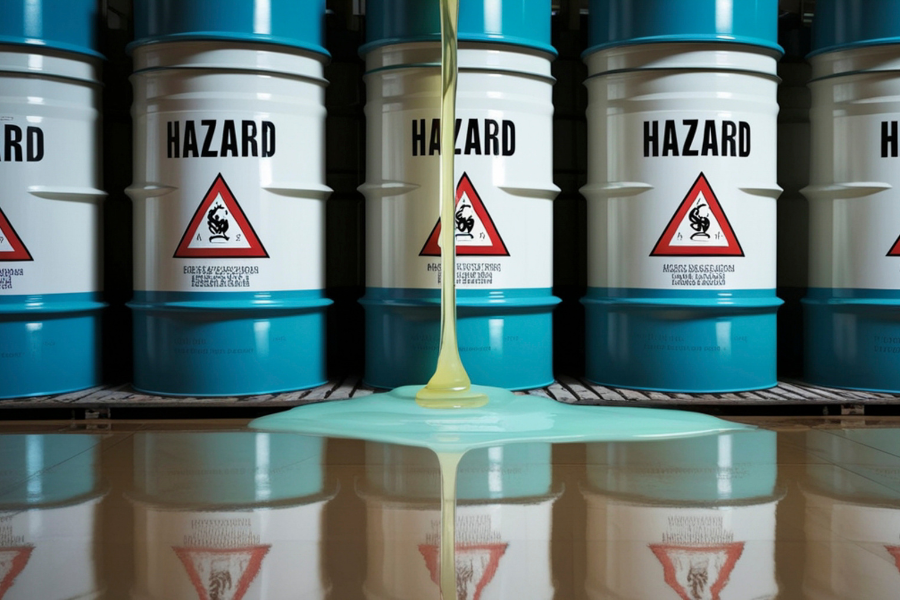
Whether you operate a manufacturing plant, a lab, or a municipal facility, arranging hazardous waste transport is more than calling a truck it’s a compliance-sensitive process that affects safety, liability, and costs. A smooth pickup starts weeks before a driver arrives and continues after the shipment leaves your gate. This article walks through practical steps operations and EHS teams can use to prepare, avoid common pitfalls, and keep shipments compliant from container to final disposal.
Know Your Waste Stream Before You Book
Accurate waste identification underpins everything that follows. Start with current Safety Data Sheets for source materials and review process changes that may alter the waste profile. Determine whether the waste is hazardous, non-hazardous industrial, universal, or special waste. For hazardous waste, document the correct waste codes and characteristics, and verify any incompatible materials so they can be segregated. A clear, current profile helps transporters plan equipment and routing, prevents refusals at the facility, and reduces last-minute surprises when you schedule your appointment.
If you generate multiple streams spent solvents, oily absorbents, lab packs, e-waste profile each separately. Keep samples, photos, and prior disposal records handy. When in doubt, ask your transporter or disposal facility what information they require; the right details up front speed up approval and reduce extra handling or repack charges.
Get Documentation and Labels Ready Early
Documentation requirements depend on the material and jurisdiction, but several fundamentals apply broadly. Ensure your site has any required generator identification numbers and that they’re current. Prepare shipping papers or manifests with accurate shipping names, hazard classes, and quantities. If any land disposal or other declarations are required in your area, complete them before pickup day to avoid holding a truck on the clock while forms are corrected.
Packaging and labeling must match the documentation. Use sturdy, compatible containers with secure closures, and verify that UN-rated drums or approved packaging are used when required. Affix legible labels that reflect contents and hazards, and include accumulation start dates where needed. Clear markings speed up inspections, protect handlers, and reduce repack risks during loading.
Plan Timelines Around Accumulation Limits and Operations
Lead time helps you avoid last-minute scrambles. Align pickups with your facility’s accumulation limits based on generator status and local rules. Scheduling with a buffer ensures you don’t run up against time thresholds, and it gives carriers time to secure the right vehicle, PPE, and equipment for your specific materials.
Balance frequency and volume. Fewer, larger loads can reduce per-unit costs, but only if you have safe, compliant storage capacity and compatible materials. Conversely, frequent, smaller pickups may better fit facilities with limited space, variable production, or sensitive materials. Consider production cycles, maintenance shutdowns, and staffing so trained personnel are available to supervise loading and sign documents.
Prepare the Site for a Safe, Efficient Pickup Day
Clear, well-marked access routes save time and reduce risk. Before the truck arrives, confirm gate codes, loading dock assignments, and any height, weight, or turning-radius constraints. Stage containers by stream with aisle space for inspection and handling, and keep incompatible materials separated. If a forklift is required, ensure a trained operator is scheduled, and equipment is in safe working order.
Safety briefings pay dividends. Review the pickup plan with your team: PPE expectations, spill response gear location, and emergency contacts. Keep absorbents and overpack containers nearby. If weather could affect footing or visibility, add extra time and lighting. Walk the driver through any site-specific procedures hot work policies, escorts, or lockout areas so no one is surprised mid-load.
Choose Qualified Partners and Keep Post-Shipment Records
Hazardous materials logistics involves multiple handoffs. Work with transporters and facilities that carry appropriate permits and insurance for your material types and routes. Strong communication matters: you want a partner who confirms details in writing, provides windowed ETAs, and flags any documentation issues in advance. Ask about equipment options liftgates, drum grabs, spill kits and driver training for your specific waste streams.
After the truck departs, your responsibilities continue. File shipment records, manifests, and any certificates of disposal according to your recordkeeping policies and applicable regulations. Reconcile quantities shipped against what left your floor to catch discrepancies early. Use these records to refine your pickup cadence, forecast container needs, and identify opportunities to reduce waste at the source.
Common Pitfalls and How to Avoid Them
Last-minute profile changes can derail a pickup. Lock profiles ahead of time and route any process updates through a simple internal review so documentation stays aligned. Another common issue is mixed or partially full containers thatcan’tt be consolidated due to incompatibility. Implement staging checklists to verify segregation and fill levels, and train teams to label immediately at the point of generation.
Finally, don’t underestimate the value of a pre-pickup call. A quick confirmation materials, container count, access instructions, required equipment often prevents delays. If your site has unusual constraints, share photos or a simple site map during scheduling. Small steps taken a day or two in advance can save hours on pickup day and help keep your team and the environment safer.
Effective hazardous waste pickups are built on preparation: accurate identification, complete paperwork, safe packaging, realistic timelines, and clear site logistics. With those pieces in place, appointment day becomes a predictable step in your compliance program rather than a fire drill. Treat each shipment as a chance to tighten processes, simplify future pickups, and reduce risk across your operation.
