

Key Takeaways
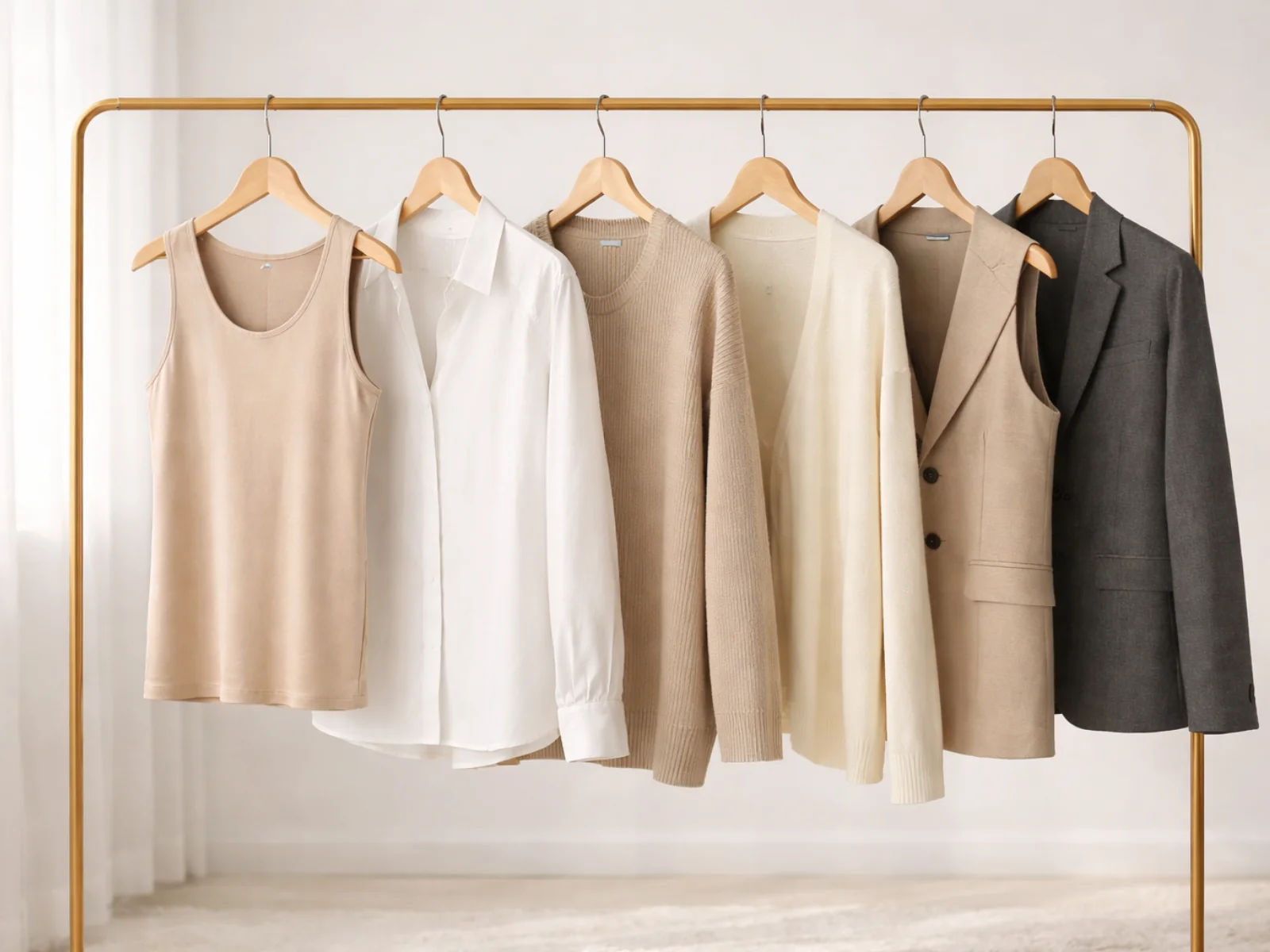
- Each layer should have a clear purpose: comfort, warmth, or light weather protection.
- Compatible colors and fabrics make a smaller wardrobe more flexible.
- Fit should allow movement without creating unnecessary bulk.
- A versatile jacket can make casual clothing feel more considered.
- Everyday layers are not a substitute for the required workplace safety equipment.
Table Of Contents
- Why Layering Works For Modern Daily Life
- The Three-Part Layering System
- Choosing A Base Layer
- Building A Middle Layer
- Selecting An Outer Layer
- Fit, Fabric, And Proportion
- Work-To-Weekend Outfit Formulas
- Seasonal Adjustments
- Common Layering Mistakes
- Shopping Checklist
- Frequently Asked Questions
- Conclusion
A practical layering system helps you stay comfortable through cool commutes, heated offices, errands, travel, and evening plans without needing a separate outfit for every part of the day. The goal is simple: choose compatible pieces that can be added or removed while still looking intentional.
Start with reliable foundations, then add versatile layers that suit your routine. For U.S. shoppers looking at classic utility-inspired outerwear, Bills Khakis offers a collection of khaki chore coat options built around durable fabrics, functional pockets, and clean classic fits. Its chore-jacket collection is a useful reference for work-to-weekend dressing because it presents jackets designed to pair easily with jeans, cords, and khakis across changing seasons.
Why Layering Works For Modern Daily Life
Temperatures can feel different between home, transit, indoor spaces, and the outdoors. Rather than relying on one heavy garment, layers let you adjust quickly. A shirt and sweater may be enough at a desk, while a jacket can be added for a cooler walk home or an outdoor dinner.
The Three-Part Layering System
Think of layering as three flexible roles, not a strict uniform. The base layer sits closest to the skin, the middle layer supplies warmth or texture, and the outer layer adds structure and protection from mild wind or changing conditions.
- Base layer: A tee, Henley, Oxford shirt, or fine knit.
- Middle layer: A sweater, cardigan, fleece, or overshirt.
- Outer layer: A chore jacket, field jacket, coat, or weather-ready shell.
Choosing A Base Layer
Your base layer should feel good when worn on its own. Breathable cotton tees, lightweight henleys, Oxford shirts, and fine-gauge knits are practical choices. Stick with easy colors such as white, gray, navy, olive, and natural tones so the rest of the outfit can change around them.
For active days, prioritize fabrics that dry comfortably and avoid very thick shirts beneath structured jackets. Too much thickness at the base can make the whole outfit restrictive.
Building A Middle Layer
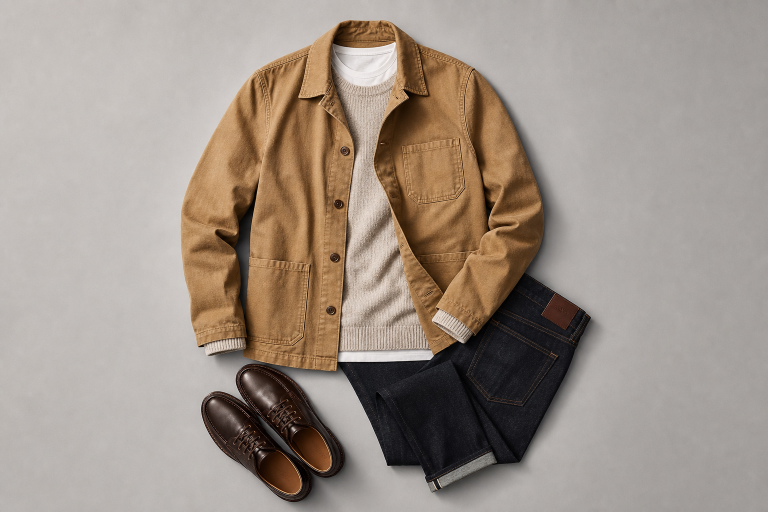
The middle layer provides warmth without making the outfit look heavy. A light sweater works well over a button-down or tee, while an overshirt adds more shape with an easy, casual feel. Cotton knits, thin fleece, and soft wool all work when the weather calls for extra insulation.
Choose enough room through the shoulders and waist to move naturally. If the middle layer pulls, bunches, or feels tight under a jacket, size or fabric weight may be the issue.
Selecting An Outer Layer
A useful outer layer should work with more than one type of bottom, including denim, chinos, cords, and tailored trousers. Consider the practical details that matter to you, such as pockets, closures, cuffs, collar shape, and fabric weight. A balanced chore jacket can bridge casual and smart-casual settings especially well.
For work involving physical, chemical, electrical, or other hazards, everyday clothing is not protective gear. Employers and workers should follow applicable personal protective equipment requirements rather than treating a casual jacket as a replacement for task-specific protection.
Fit, Fabric, And Proportion
Fit Guidelines
- Keep the base layer close but comfortable.
- Allow the middle layer to move freely.
- Make sure the outer layer closes comfortably over both.
- Keep sleeve and hem lengths visually balanced.
Fabric Guidelines
- Place lighter fabrics beneath heavier ones.
- Mix smooth and textured materials for a subtle contrast.
- Check care labels before combining high-maintenance pieces.
Work-To-Weekend Outfit Formulas
- Relaxed office: Oxford shirt, fine-knit sweater, chore jacket, chinos, and clean leather sneakers.
- Creative workplace: Plain tee, textured overshirt, dark denim, and minimal boots.
- Travel day: Lightweight tee, soft knit, flexible jacket, stretch trousers, and walking shoes.
- Weekend errands: Henley, casual jacket, straight-leg jeans, and low-profile sneakers.
- Cool evening: Tee, cardigan, durable jacket, dark trousers, and weather-appropriate footwear.
Small changes can refine the result. Swap sneakers for loafers or boots, remove the middle layer when it warms up, choose a button-down instead of a graphic tee, or add a simple watch and belt rather than another garment.
Seasonal Adjustments
- Spring: Use light cotton, linen blends, and thin knits with a jacket for cool mornings.
- Summer: Favor breathable base layers and unlined overshirts. Avoid stacking heavy fabrics.
- Autumn: Bring in corduroy, brushed cotton, denim, and lightweight wool.
- Winter: Begin with a comfortable base, add insulation, and use a coat suited to wind, rain, or snow.
Common Layering Mistakes
- Adding too many thick pieces and limiting movement.
- Combining loud colors, oversized fits, and heavy textures at once.
- Ignoring weather conditions in favor of appearance alone.
- Buying a jacket that works with only one outfit.
- Overlooking fabric care for frequently worn clothing.
A Practical Shopping Checklist
- Name three settings where you would wear the item.
- Confirm it works with at least three bottoms you already own.
- Try it over the thickest layer you expect to wear beneath it.
- Test the pockets, cuffs, closures, and range of motion.
- Choose a color that supports your existing wardrobe.
Frequently Asked Questions
How Many Layers Should Be Worn At Once?
There is no fixed number. Two light layers can work in mild weather, while colder days may call for a base, middle, and outer layer.
Can A Chore Jacket Be Worn To Work?
In casual and smart-casual workplaces, a clean-fitting chore jacket can work over a shirt, knit, or plain tee. More formal offices may require a blazer or traditional coat.
What Colors Make A Jacket Most Versatile?
Navy, olive, tan, charcoal, and brown are practical starting points because they combine easily with many neutral shirts and trousers.
Should An Outer Layer Fit Loose?
It should leave room for planned layers underneath, but it should still keep a defined shoulder line and sleeve shape.
Conclusion
A strong layering system is built around comfortable essentials, flexible warmth, and an outer layer that suits real life. When fit, fabric, color, and routine work together, a focused wardrobe can cover commutes, offices, weekends, travel, and changing weather with less clutter.
